
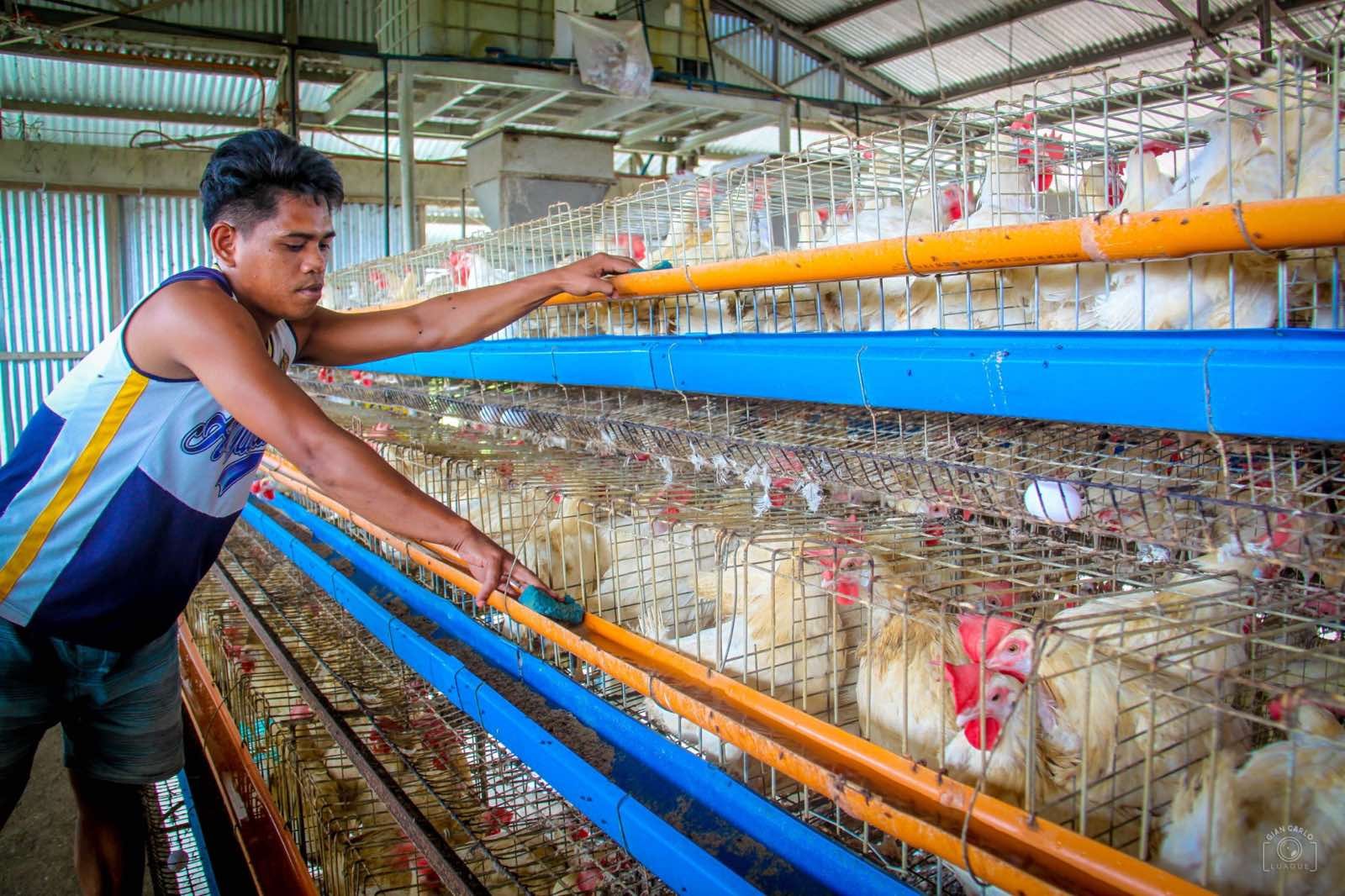
DA lifts import restrictions after Argentina regains bird flu-free status, expanding supply options for poultry producers and supporting food security goals
The Philippines has reopened its market to poultry and poultry-related imports from Argentina after veterinary authorities confirmed the successful containment of a highly pathogenic avian influenza (HPAI) outbreak that prompted trade restrictions earlier this year.
The decision, announced by the Department of Agriculture (DA), restores access to Argentine poultry products, breeding materials, and genetic resources, broadening the country’s sourcing options as it seeks to strengthen food security and maintain supply stability.
Agriculture Secretary Francisco P. Tiu Laurel Jr. signed a new department circular revoking the temporary ban imposed under earlier regulations that had suspended imports of domestic and wild birds, poultry meat, day-old chicks, eggs, and poultry semen from Argentina.
The move follows official notifications from Argentine animal health authorities confirming that the outbreak has been fully resolved and that no additional cases have been detected. Argentina has subsequently regained its disease-free status under internationally recognized animal health standards.
According to the DA’s Bureau of Animal Industry (BAI), a risk assessment determined that imports originating from Argentina now pose a negligible risk of introducing avian influenza into the Philippines, paving the way for the resumption of trade.
“Restoring access to poultry products and breeding materials from Argentina strengthens our supply options at a time when food security remains a national priority,” Tiu Laurel said.
He noted that diversifying import sources enhances supply chain resilience, supports the requirements of the domestic poultry industry, and contributes to price stability while maintaining strict biosecurity safeguards.
Strengthening Supply Chain Resilience
The reopening is expected to benefit poultry breeders, integrators, hatcheries, and food processors that depend on imported genetics and poultry inputs to sustain production efficiency and productivity.
Industry participants frequently maintain diversified sourcing networks to mitigate risks associated with disease outbreaks, trade disruptions, and logistical challenges in key exporting countries.
Although Argentina is not among the Philippines’ largest poultry suppliers, its re-entry into the market expands procurement flexibility at a time when governments and industry stakeholders are increasingly focused on strengthening food system resilience.
The restored trade relationship may also support the long-term development of the domestic poultry sector by providing additional access to breeding stock and production inputs.
Risk-Based Disease Management
The decision underscores the Philippines’ risk-based approach to animal health management and agricultural trade.
The DA routinely imposes targeted import restrictions on countries affected by avian influenza and other transboundary animal diseases while restoring market access once competent veterinary authorities verify disease containment and compliance with international animal health standards.
Under the new directive, imports of poultry products processed or produced after the issuance of the circular may resume in accordance with existing import regulations and sanitary requirements.
The order will take effect 15 days after publication and filing with the Office of the National Administrative Register, formally reopening poultry trade between the Philippines and Argentina and reinforcing efforts to secure stable food supplies through diversified global sourcing.
