
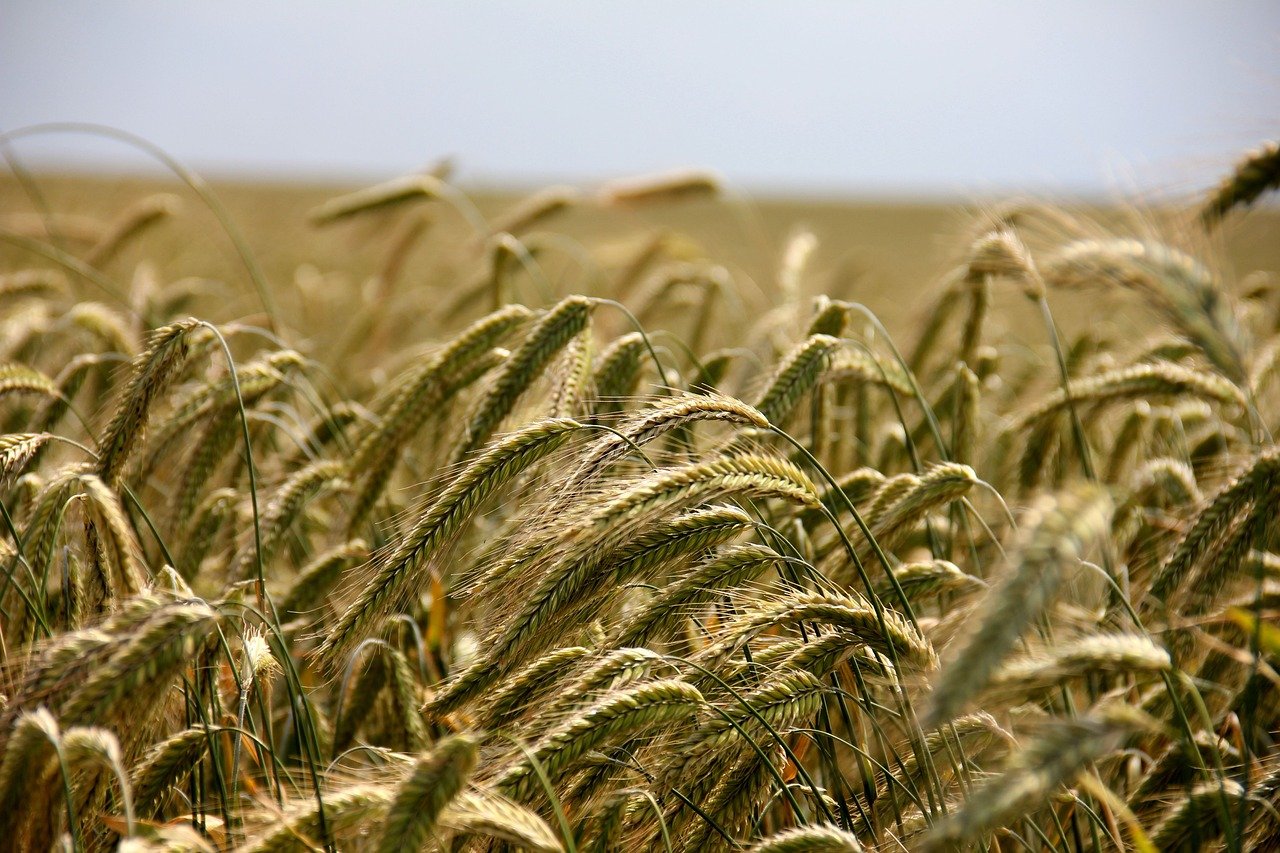
New wheat lines deliver 19.3 per cent protein content and exceed global yield benchmarks, showcasing the potential of precision agriculture in arid environments
Sharjah has achieved a major milestone in desert agriculture, with researchers reporting the successful development of wheat varieties that combine exceptionally high protein content with yields surpassing international performance benchmarks.
Second-generation wheat plants developed under Sharjah’s wheat improvement programme recorded eight spikes per plant, exceeding the globally recognised benchmark of seven spikes and demonstrating strong yield potential under arid growing conditions.
The new wheat lines also achieved a protein content of 19.3 per cent, significantly above the global average for conventional wheat varieties. Standard soft wheat typically contains between 10 and 13 per cent protein, while durum wheat averages between 12 and 15 per cent, placing Sharjah’s wheat among the highest-protein varieties reported worldwide.
Researchers said the breakthrough highlights the growing role of advanced crop breeding and precision agriculture in addressing food security challenges in water-scarce regions.
The achievement comes as countries across the Gulf region increasingly seek to strengthen domestic food production amid climate change, water constraints and disruptions to global agricultural supply chains.
According to Dr. Fadel ElZubi, Director of the Geneva Centre for Studies and an international food security expert, Sharjah’s experience represents an “exceptional case study” for the Arab world and offers a replicable model for developing climate-resilient crops in harsh environments.
“Food security today is no longer determined solely by fertile land or abundant water resources. It increasingly depends on technology, scientific innovation and the efficient management of natural resources,” ElZubi said.
Sharjah’s wheat cultivation programme integrates precision farming technologies, artificial intelligence, satellite imagery and ground-based sensor systems to optimise irrigation management and minimise water losses in one of the world’s most challenging agricultural environments.
Experts estimate that precision agriculture technologies can increase productivity by between 20 and 40 per cent while reducing water consumption by up to 30 per cent, offering significant sustainability benefits for dryland farming systems.
The results reinforce Sharjah’s position as an emerging hub for agricultural innovation and demonstrate how technology-driven farming systems can unlock new opportunities for crop production in arid and semi-arid regions.
As governments worldwide intensify efforts to build resilient food systems, Sharjah’s desert wheat project is emerging as a notable example of how advanced breeding, digital agriculture and resource-efficient farming can contribute to long-term food security in a changing climate.
