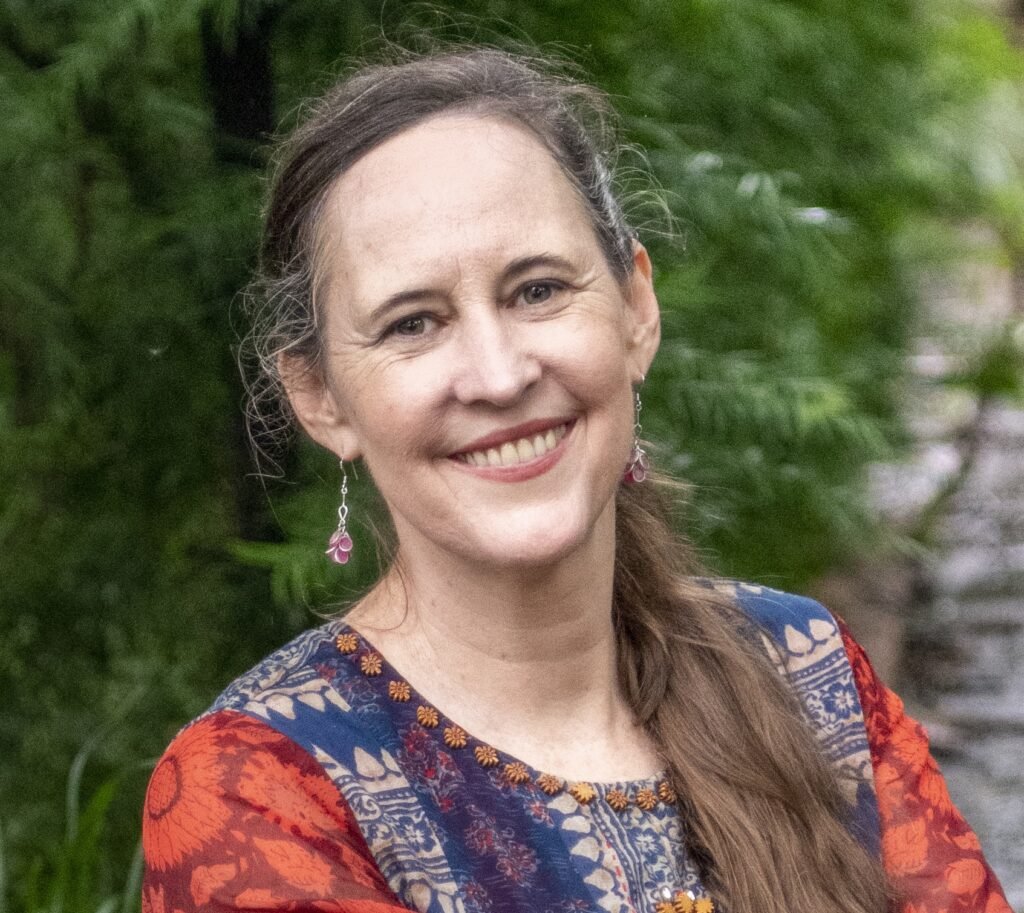
Joanna Kane-Potaka
Executive Secretary, GFAiR - Global Forum on Agricultural Innovation and Research


Honouring and elevating the evolving story of women in agriculture - from smallholder fields to policy tables, across continents and partnerships.
The Memory of the Land: Women, Partnership, and Agricultural Transformation (1st Webinar of the Series)
As part of AgroSpectrum Asia's global initiative marking the International Year of Women Farmers, this inaugural webinar brings together voices from across continents to honour and elevate the evolving story of women in agriculture-one that has too often been overlooked, yet has always been essential.
Women have never been peripheral to agriculture. They have been its steady force-cultivating, sustaining, innovating, and holding together food systems through cycles of abundance and uncertainty. Today, as agriculture stands at the crossroads of climate disruption, economic pressure, and technological transformation, their role is no longer invisible. It is foundational.
From smallholder fields to agri-tech ecosystems, from community seed banks to policy tables, women are reshaping what it means to nurture the land and sustain livelihoods. Their leadership is not defined by dominance, but by connection-between people and ecosystems, knowledge and practice, resilience and care.
At the heart of this conversation lies a deeply human truth: agriculture has always been relational. It thrives not in isolation, but in partnership. This session is anchored in The Value of Partnerships - the idea that the future of food systems will depend on how meaningfully we collaborate across gender, geography, discipline, and lived experience.
In a world increasingly defined by climate volatility, input cost pressures, fragmented markets, and rapid technological change, women are emerging as essential bridges. They connect formal and informal systems, traditional knowledge and modern science, community needs and institutional frameworks. In doing so, they are quietly redefining the architecture of agricultural resilience.
This webinar brings together women leaders from across the agricultural value chain-farmers, innovators, researchers, entrepreneurs, and policymakers-whose work reflects not just transformation, but restoration: of balance, of dignity, and of voice within food systems.
More than a dialogue, this is an invitation to reflect on what has long been unspoken: that the future of agriculture will not be built by systems alone, but by relationships. By care made visible. By partnerships that are not transactional, but transformational.
At the centre of it all are women - not as participants in change, but as its enduring authors.
Executive Secretary, GFAiR - Global Forum on Agricultural Innovation and Research
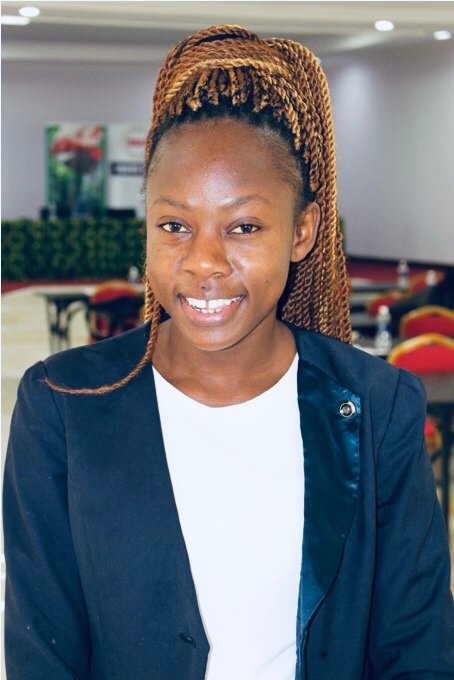
YPARD Zambia Country Representative

Senior Agricultural Research Officer - National Plant Genetic Resources Center; National Focal Point - Biodiversity for Food and Agriculture/ Commission on Genetic Resources for Food and Agriculture., Zambia Agriculture Research Institute; Mt Makulu Research Station, Chilanga

Scientist -Invasive Species Management, CABI Southern Africa Centre, Lusaka, Zambia
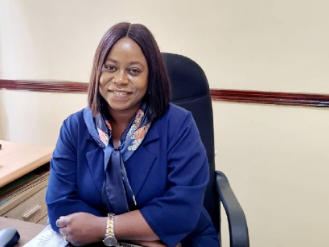
Gender Equity and Social Inclusion Manager, iDE

Deputy Executive Editor, Agrospectrum Asia & India