Indonesia is accelerating efforts to strengthen domestic garlic production through a new research programme focused on developing virus-free planting material, a move aimed at improving crop productivity while reducing the country's long-standing dependence on imported garlic. The initiative, led by the National Research and Innovation Agency (BRIN) in collaboration with Gadjah Mada University (UGM), forms part of Indonesia's Strategic Research and Innovation Program (PRIS), which seeks to build a sustainable supply of high-quality garlic seed capable of supporting long-term expansion of domestic cultivation.
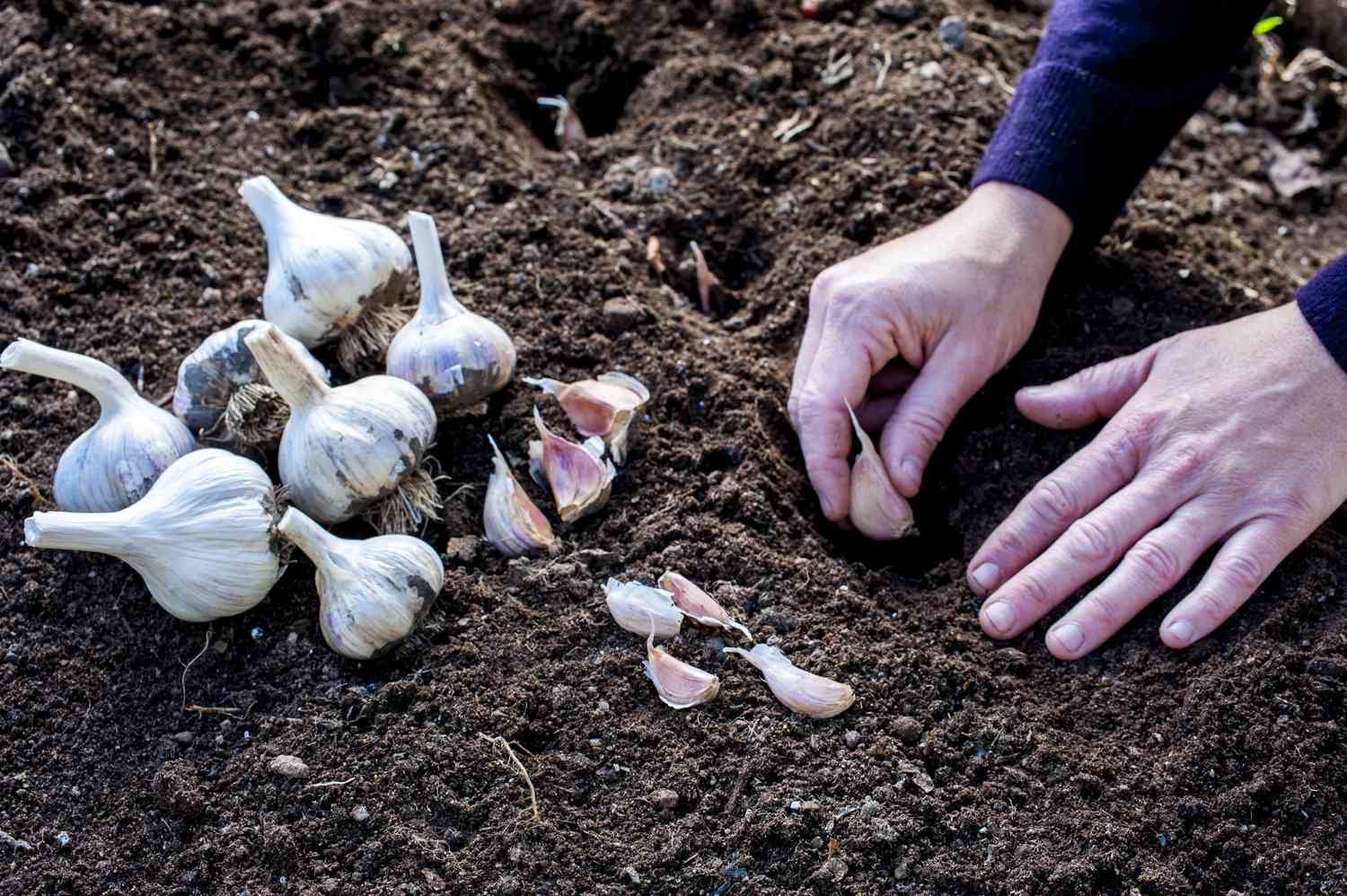
Researchers say one of the biggest obstacles to improving garlic yields is the widespread presence of viruses carried in planting material. Because garlic is propagated vegetatively rather than through true seed, viruses accumulate over successive planting cycles, gradually reducing plant vigor, bulb quality and overall productivity. To address this challenge, the research programme is developing practical virus-elimination technologies that combine scientific effectiveness with affordability and ease of adoption. The project includes the development of virus-removal protocols, prototype treatment equipment and scientific evaluation of how virus-free planting material influences crop growth, productivity and field performance.
According to BRIN, the initiative is intended to establish a reliable healthy-seed production system that preserves the genetic potential of improved garlic varieties while providing farmers and commercial seed producers with cleaner planting material. Initial laboratory investigations have highlighted the scale of the challenge. Researchers identified widespread infections caused by Onion yellow dwarf virus (OYDV) and Shallot latent virus (SLV) in garlic samples collected from several of Indonesia's principal production regions. The findings suggest viral infections remain common even where plants display few or no visible symptoms, making routine visual inspection insufficient for ensuring seed quality.
The next phase of the programme will evaluate the effectiveness of virus-elimination treatments in lowering viral loads while monitoring impacts on crop development, yield potential and susceptibility to secondary diseases. Researchers also plan to conduct broader surveillance to better understand the geographic distribution of garlic viruses across Indonesia. The two-year project extends beyond disease management. Scientists are simultaneously developing improved softneck and hardneck garlic varieties with larger bulb size, breeding cultivars suited to mid-altitude production zones, advancing dormancy-breaking technologies and establishing germplasm databases alongside quality standards for certified planting material.
Research outcomes will ultimately be validated under commercial production conditions, including Indonesia's Food, Water and Energy Self-Sufficiency Area in Humbang Hasundutan, North Sumatra. Industry collaboration is also planned to support commercialization of the virus-elimination technology and accelerate adoption by seed producers. The programme reflects Indonesia's broader agricultural strategy of reducing import dependence through science-led innovation. By strengthening domestic seed systems and improving planting material quality, policymakers hope to create a more resilient garlic industry capable of delivering higher yields, improving farmer incomes and enhancing national food security.