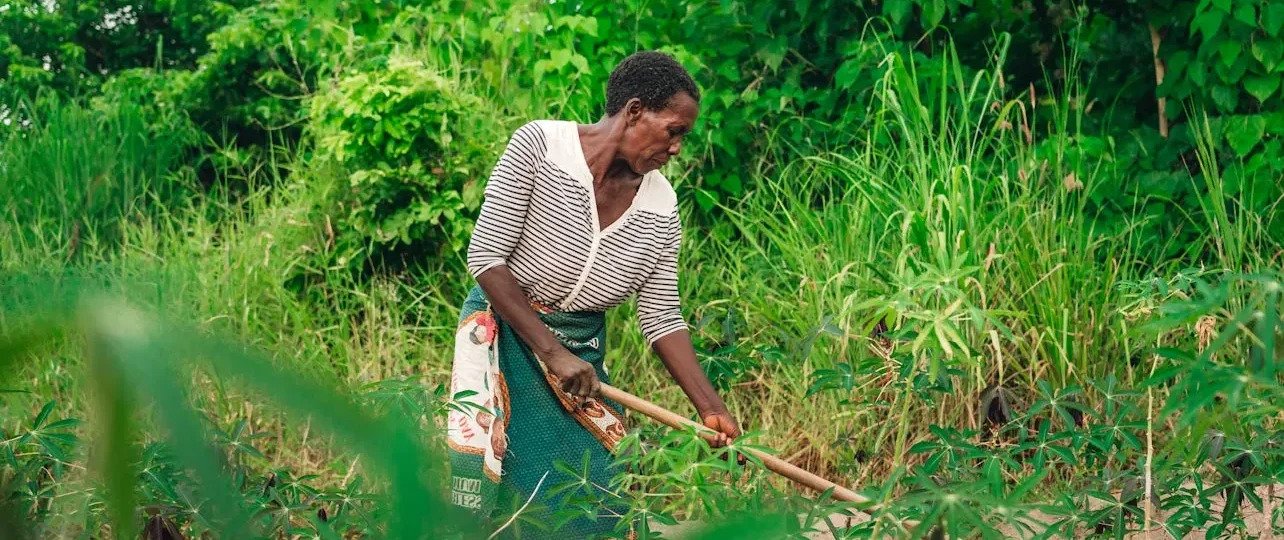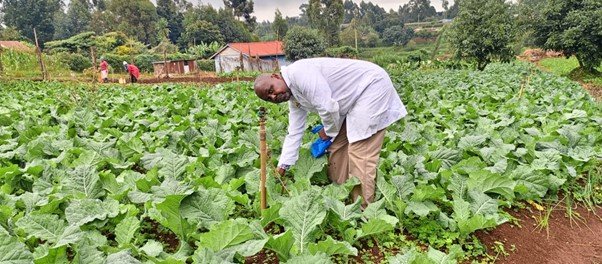
Climate change is emerging as one of the most pressing challenges for Africa, with implications extending beyond the environment to agricultural productivity, food security, economic development, social stability and migration. In 2025, approximately 13 million people across the continent were affected by extreme weather events. In sub-Saharan Africa, only 4 per cent of cultivated land is irrigated, while land degradation affects up to 65 per cent of Africa’s agricultural land, according to some estimates.
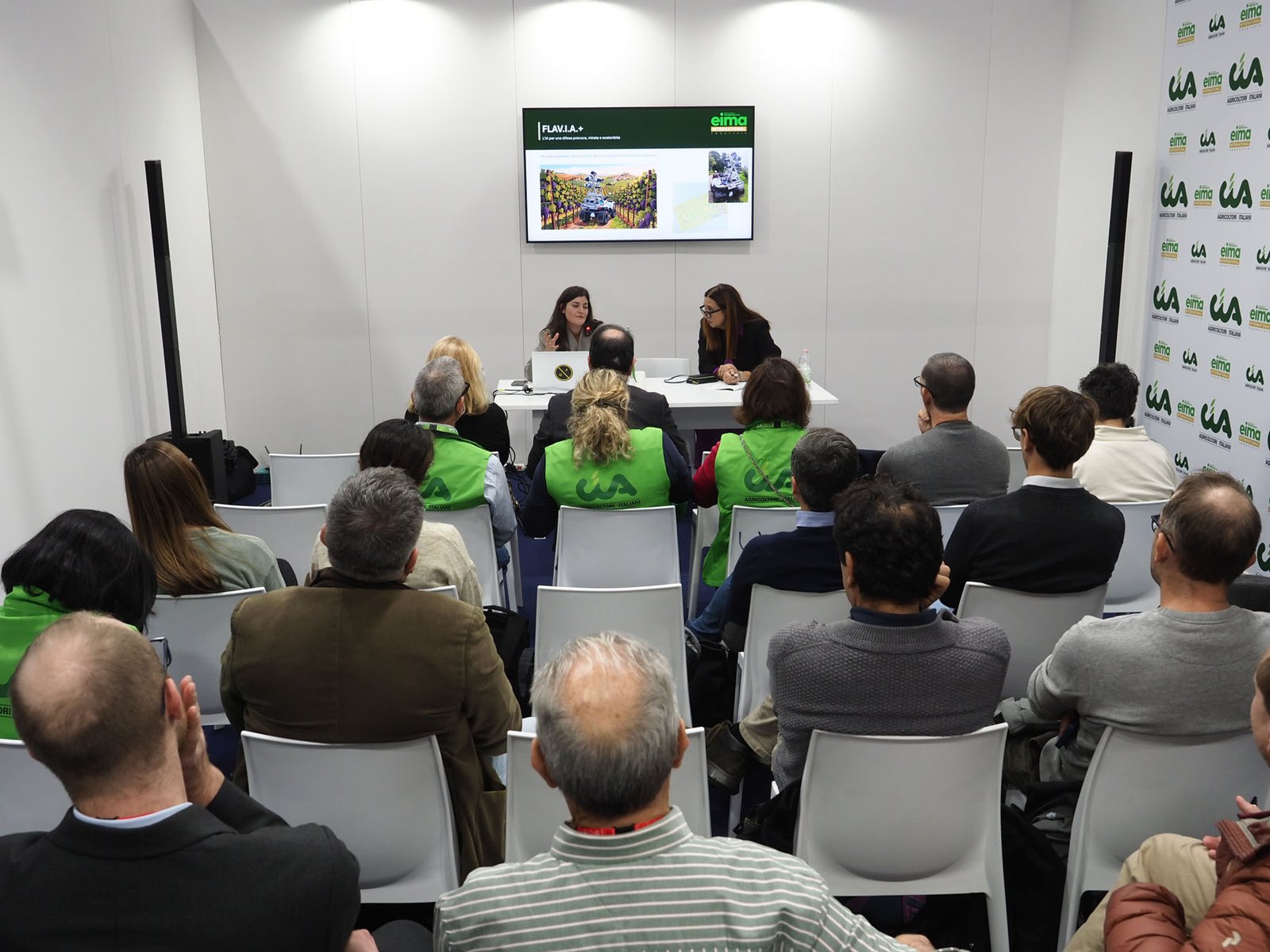
These findings are highlighted in the report Climate Change: Social & Economic Impacts on African Agriculture, produced by Internationalia in collaboration with FederUnacoma and presented on 10 November at EIMA International, the agricultural and gardening machinery exhibition in Bologna.
During the presentation, moderated by Gianfranco Belgrano, Editor of Africa e Affari, FederUnacoma President Mariateresa Maschio outlined Africa’s agricultural strengths, the challenges facing the continent and opportunities for international cooperation, while emphasising the growing severity of the climate emergency.
Rising temperatures, increasingly erratic rainfall, more frequent extreme weather events and progressive soil degradation are compounding existing economic and social vulnerabilities across the continent. These pressures are particularly severe for rural communities, where agriculture remains a major source of employment and income, while access to infrastructure, technology, finance and social protection remains limited.
Although individual disasters can trigger large-scale displacement — with disasters accounting for 7.8 million displacements in sub-Saharan Africa in 2024, according to the Internal Displacement Monitoring Centre — climate change cannot be considered the sole driver of migration. Migration decisions are shaped by the interaction of environmental, economic, political and social factors. Climate-related pressures can intensify poverty, inequality, institutional fragility and political instability, contributing to increased migration and social tensions in vulnerable regions.
According to the study, migration linked to these pressures predominantly occurs within national borders or across neighbouring countries, particularly from rural areas to urban centres. However, international migration has also increased significantly, with approximately 21 million Africans now living outside the continent.
“Climate change operates within an already fragile context,” observed Mattia Giampaolo, researcher and co-author of the study, highlighting the vulnerability of communities dependent on subsistence agriculture and exposed to inadequate rainfall and natural disasters. “Without action, and in combination with other factors such as conflicts and economic crises, migration flows are set to increase, first within Africa itself and then beyond the continent, towards Europe, the Americas and Asia.”
Despite these challenges, Africa possesses considerable agricultural and economic potential, supported by its natural resources, growing population and expanding domestic markets. Realising this potential, however, will require structural transformation of agricultural production systems.
“African agriculture is evolving and has enormous potential,” said Jean-Leonard Touadi, Senior Advisor at the FAO and lecturer in the Geography of Development in Africa at Sapienza University of Rome. He noted that the Russia–Ukraine war, international geopolitical tensions and climate change are placing additional pressure on the sector. Nevertheless, Africa has substantial resources and a young population that can underpin its future agricultural development.
Touadi stressed that a key question is whether African governments will allocate sufficient resources to agriculture and recognise it as an investment rather than an expenditure. This requires a shift in both public spending priorities and political commitment.
The importance of climate adaptation finance was also highlighted by Marirosa Iannelli, ACRA’s expert on climate change and ecological transition, who discussed developments at COP31, which opened in Antalya, Türkiye. The African Group had sought to include a dedicated negotiating item on tripling adaptation finance. However, countries failed to reach an agreement, and the agenda was adopted without the proposed item, although the issue could still be addressed in other negotiating sessions.
For African farming communities on the frontline of climate change, the outcome of these international discussions has direct implications for their ability to secure water resources, protect agricultural soils and adapt to increasingly unpredictable growing seasons. The challenge is to translate international commitments into timely, accessible financing and practical adaptation measures before climate pressures further undermine agricultural livelihoods and food security.
-Dipti Barve
- dipti.barve@mmactiv.com