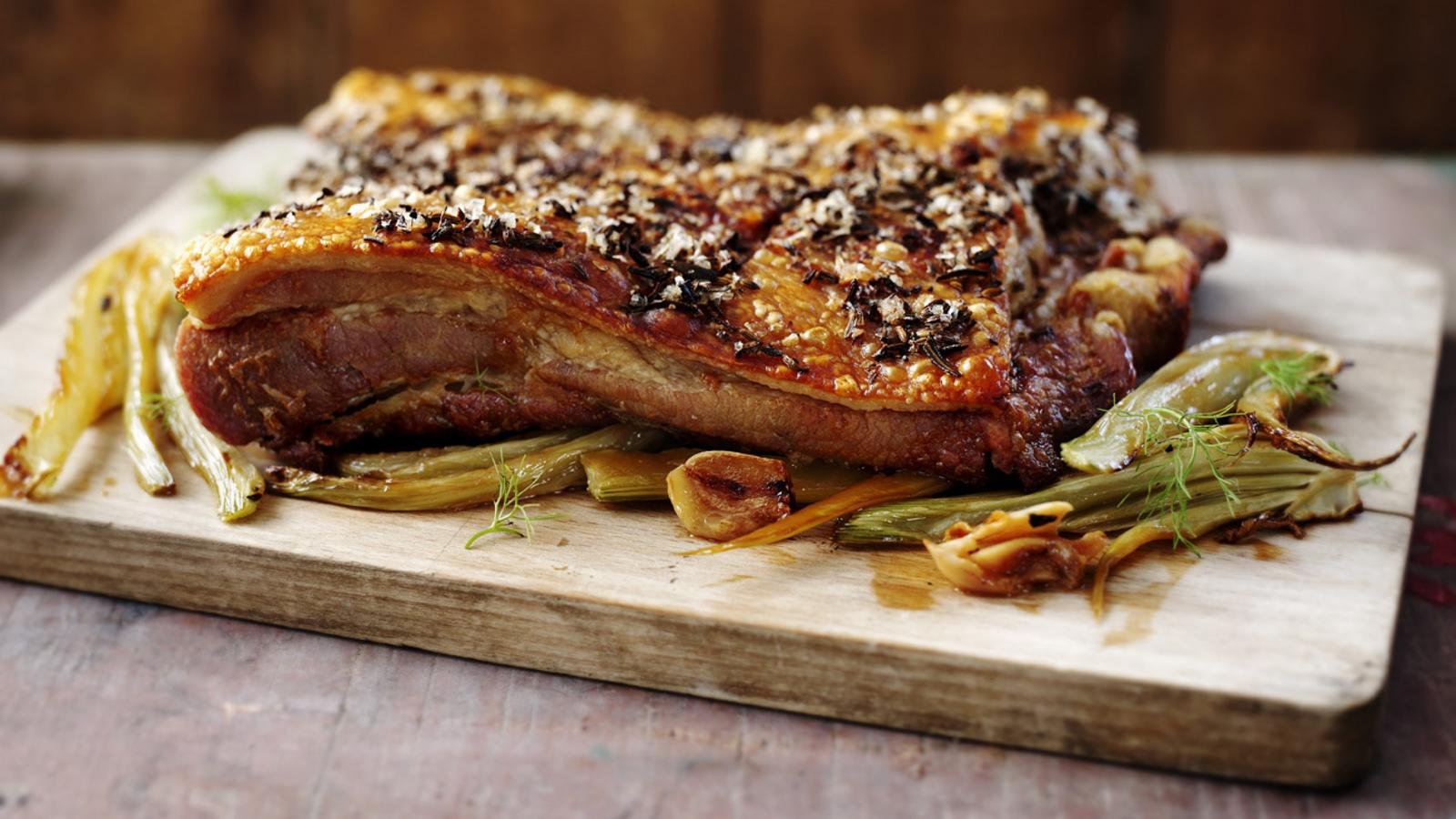
The Philippines is set to suspend imports of selected pork products for 60 days from mid-November in a bid to stabilise domestic prices and ease mounting financial pressure on local hog producers.
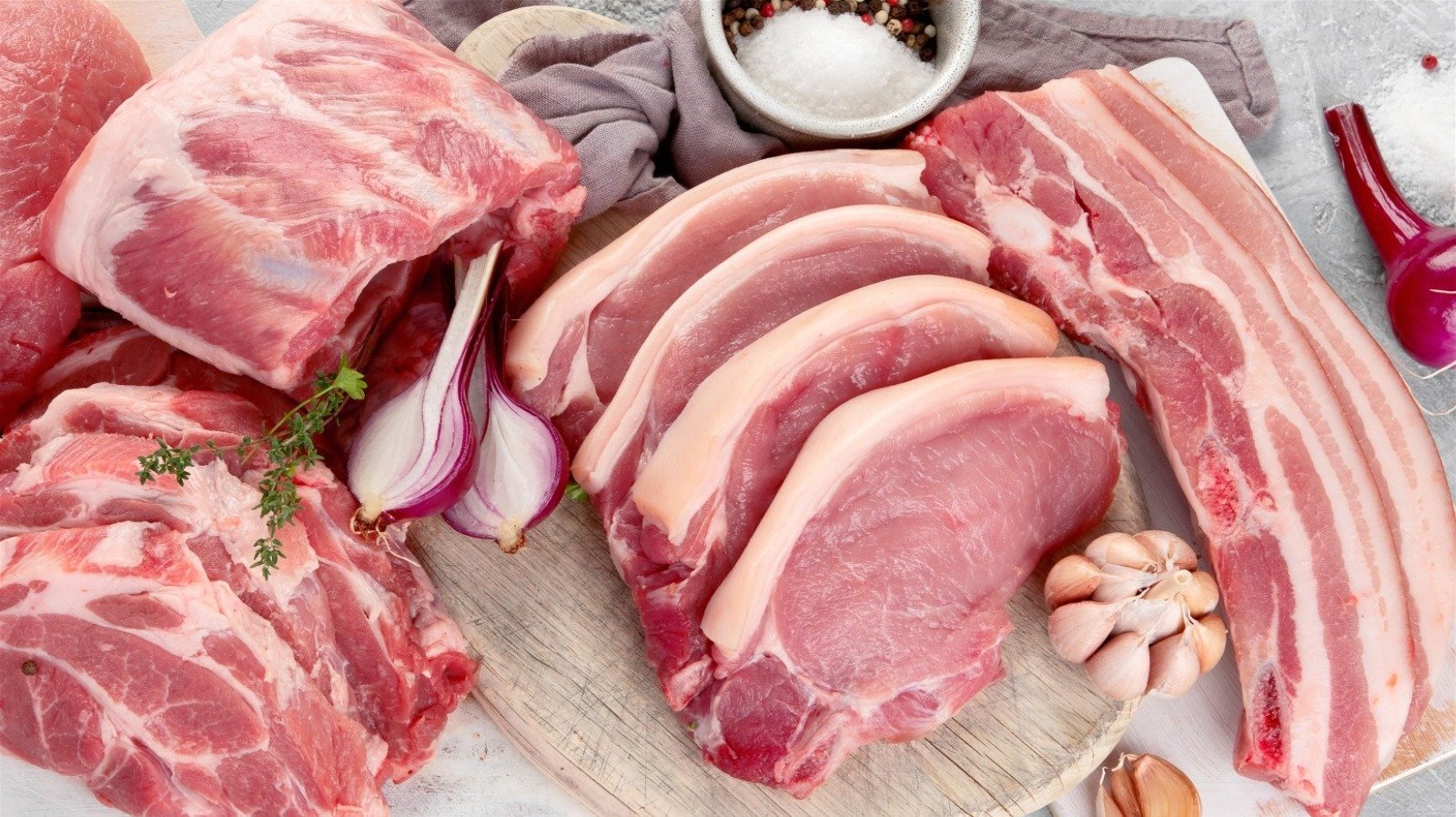
Agriculture Secretary Francisco Tiu Laurel Jr. said the suspension would cover imported pork shoulder, butt and belly, with the Department of Agriculture (DA) halting the issuance of import permits for the three product categories during the period.
The move follows growing opposition from domestic retailers and industry stakeholders, who have raised concerns over escalating production costs, persistent industry losses and competition from lower-priced imported pork. Local retailers recently staged a three-day pig holiday to draw attention to the pressures facing the domestic industry.
The government has already pursued higher tariffs of up to 40 per cent, alongside safeguard duties, to strengthen protection for local producers. However, Tiu Laurel flagged concerns over a 6 per cent increase in pork imports despite an improvement in domestic production, questioning the continued rise in overseas shipments amid efforts to revive the local hog sector.
Reaffirming the government's support for Filipino hog raisers, the Agriculture Secretary said the DA would pursue additional measures to help producers mitigate their losses. The proposed import suspension forms part of a broader effort to address the imbalance between domestic production economics and import competition.
Industry group SINAG has called for stronger intervention, proposing tariffs of 30 per cent on in-quota imports and 40 per cent on out-of-quota shipments. It has also sought a longer, 120-day suspension of pork imports, signalling that sections of the domestic industry consider the proposed 60-day restriction insufficient to address the sector's structural challenges.
The decision highlights the policy challenge facing the Philippines: protecting domestic hog producers from import competition while maintaining adequate market supplies and preventing higher prices from being passed on to consumers. The effectiveness of the suspension will ultimately depend on whether temporary import restrictions translate into improved farmgate returns and a more sustainable operating environment for local raisers.