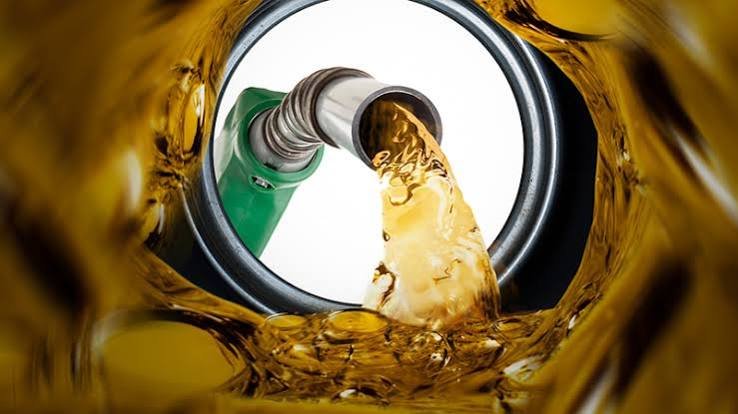
Thailand's biodiesel production and consumption are projected to increase by approximately 22 per cent in 2026, driven by higher mandatory blending requirements and government measures aimed at reducing dependence on imported petroleum products, according to the United States Department of Agriculture (USDA).
The forecast, outlined in the USDA's Thailand Biofuels Annual report, reflects a recovery in domestic biodiesel demand after the government increased the standard blending requirement from B5 to B7 in March 2026.
Thailand's biodiesel production is expected to reach approximately 1.77 billion litres in 2026, compared with 1.46 billion litres in 2025.
The increase is expected to strengthen demand for palm oil, the country's principal biodiesel feedstock, while placing greater emphasis on managing domestic agricultural supplies.
B7 blending supports biodiesel demand
Thailand increased its mandatory biodiesel blending ratio from 5 per cent to 7 per cent in March 2026 as part of measures to strengthen fuel security and reduce the impact of higher international energy prices.
The government had previously lowered the blending requirement to B5 in late 2024 in response to elevated palm oil prices.
According to the USDA, B7 remained Thailand's standard biodiesel blend as of October 2026.
Thailand has adjusted its biodiesel blending policies over time, including the use of B5, B7 and B10, according to domestic feedstock availability, energy costs and market conditions.
The latest increase has supported biodiesel consumption and strengthened demand for agricultural feedstocks used in renewable fuel production.
Palm oil supply becomes increasingly important
Palm oil remains the primary raw material for Thailand's biodiesel industry, linking renewable energy policy directly with the country's agricultural economy.
Higher biodiesel production is expected to increase demand for domestically produced crude palm oil, creating additional market opportunities for oil-palm growers and processors.
However, stronger industrial demand also increases the importance of maintaining sufficient palm oil supplies for food production and other domestic uses.
In April 2026, Thailand introduced controls on crude palm oil exports to help protect domestic availability amid rising biofuel demand.
The USDA reported that the shift towards higher blending requirements had contributed to changes in biodiesel trade flows, including increased imports and reduced exports.
These developments highlight the challenges facing agricultural and energy policymakers as they balance renewable fuel production, feedstock availability and domestic food industry requirements.
Biofuel investment and diversification continue
Thailand is also expanding investment in biofuel production infrastructure as part of its longer-term energy strategy.
Industry developments highlighted in the USDA report include construction of a bioenergy facility in Chonburi with planned annual biodiesel production capacity of approximately 300,000 tonnes.
The country's draft Alternative Energy Development Plan for 2024–2037 outlines broader renewable energy objectives, including support for biodiesel and sustainable aviation fuel development.
Thailand has also introduced measures to encourage the use of higher biodiesel blends in selected transport and industrial applications.
These initiatives form part of efforts to strengthen domestic energy security and create additional demand for agricultural feedstocks.
Southeast Asian palm oil markets face shifting demand
Thailand's projected biodiesel recovery comes as other major Southeast Asian palm oil producers, including Indonesia and Malaysia, expand biofuel blending programmes.
Increasing domestic use of palm oil for energy production could influence regional feedstock availability, trade flows and agricultural commodity prices.
For Thailand, the projected growth in biodiesel production offers opportunities for the palm oil sector, although actual outcomes will depend on feedstock prices, government support, blending policies and wider energy market conditions.
The USDA forecast underscores the growing connection between agricultural production and energy policy as Southeast Asian economies seek to strengthen domestic renewable fuel industries.