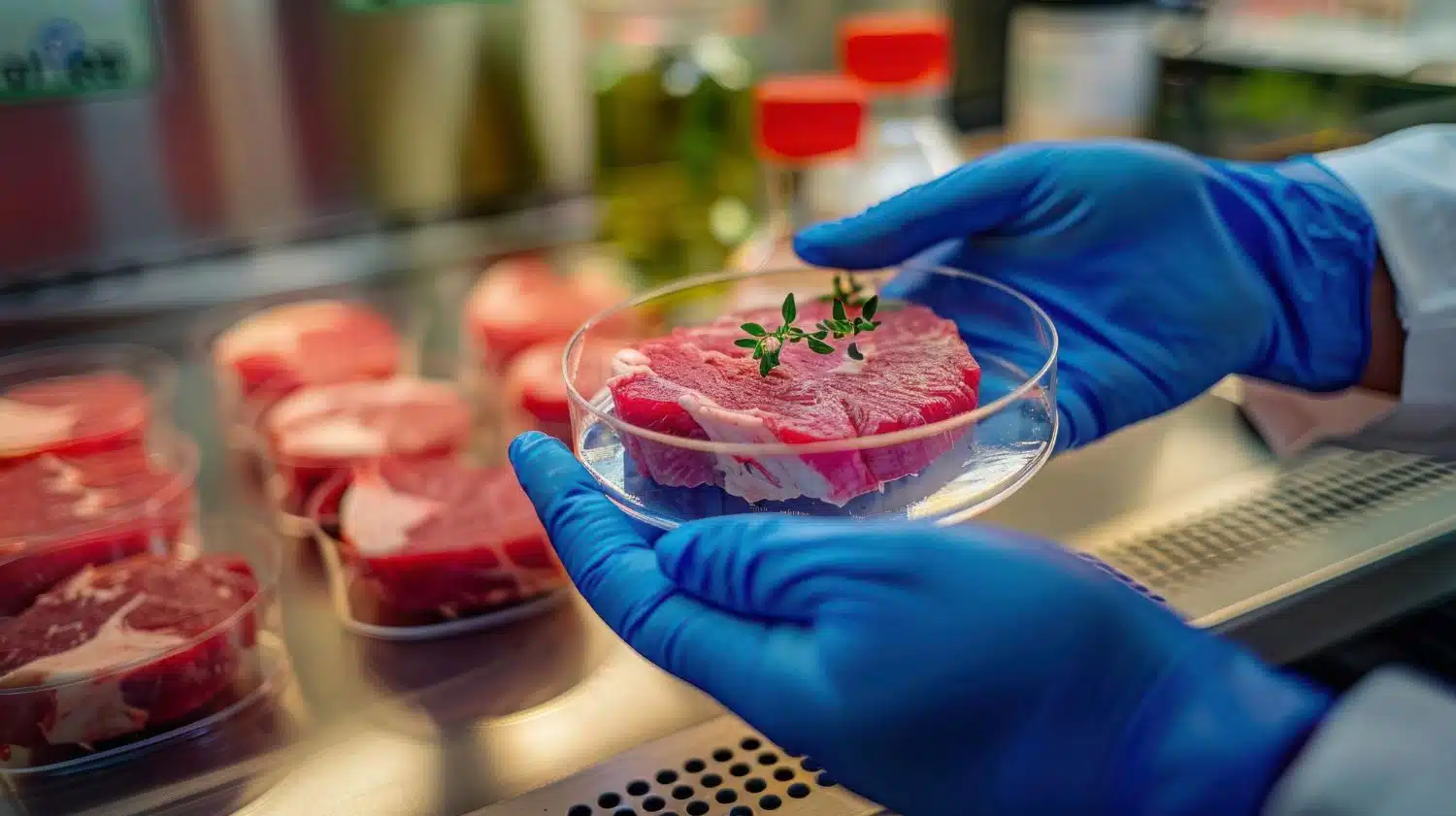
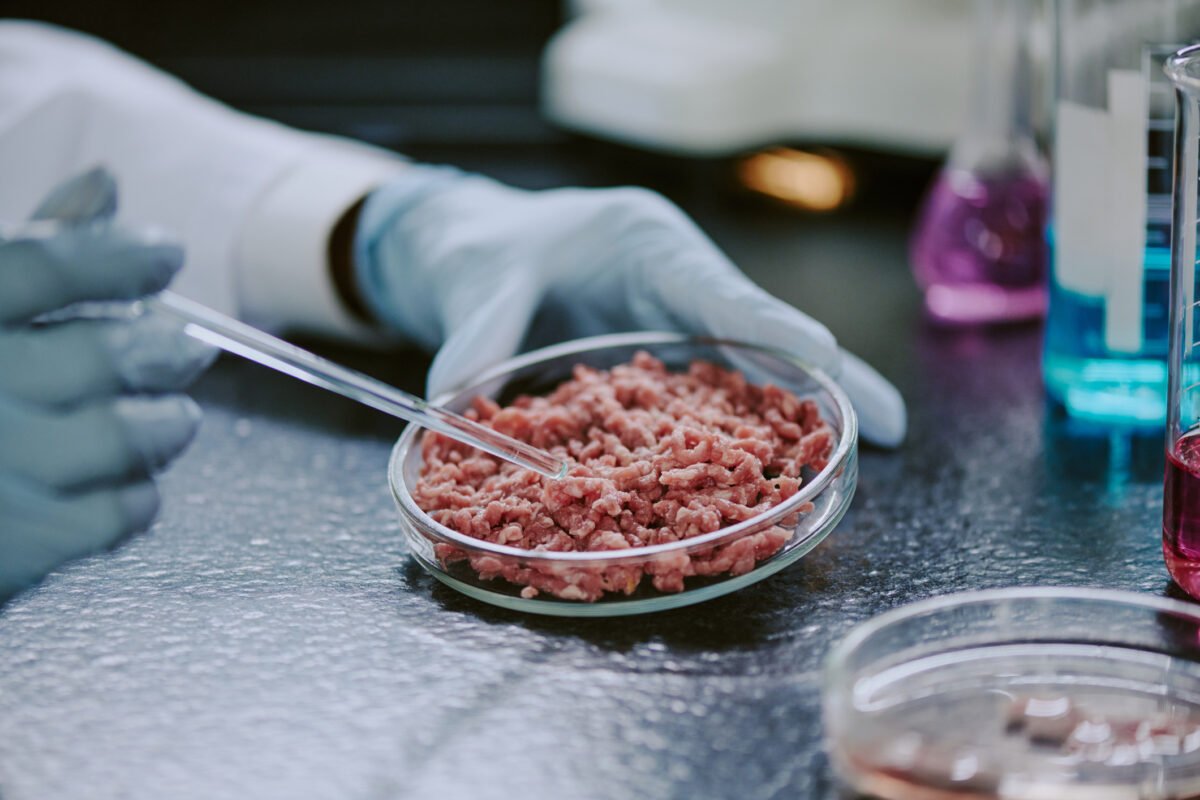
The global AI in cultured meat market, valued at $54.65 million in 2025, is entering a phase of accelerated growth and is projected to increase from $69.13 million in 2026 to approximately $573.45 million by 2035. The rapid expansion of the market is being fueled by growing consumer demand for ethical and environmentally sustainable meat alternatives, increasing concerns over the ecological impact of traditional livestock farming, and the industry's ongoing efforts to reduce production costs and improve scalability.
According to a recent report by Towards FnB, artificial intelligence is becoming a critical enabler of the cultured meat industry by addressing some of its most significant challenges, including process optimization, production efficiency, and commercialization. AI technologies, including machine learning, predictive analytics, computer vision, and digital twins, are being increasingly integrated into cultured meat production to optimize cell line development, formulate cost-effective growth media, monitor bioreactors in real time, and improve the quality, taste, and texture of cultivated meat products.
North America emerged as the dominant regional market in 2025, accounting for 58% of global revenue. The region's leadership is underpinned by robust research and development activities, a thriving startup ecosystem, and supportive regulatory frameworks. The North American market is projected to expand from $40.1 million in 2026 to nearly $332.6 million by 2035. In the United States, companies are increasingly leveraging AI and machine learning technologies to overcome scientific and commercial barriers in lab-grown meat production, enabling significant improvements in production efficiency and cost optimization.
Asia-Pacific is expected to witness the fastest growth over the forecast period, driven by rapid urbanization, rising disposable incomes, and a significant increase in protein consumption. The region has become a major hub for innovation in biotechnology and artificial intelligence, with countries such as China and India investing heavily in alternative protein research to strengthen food security and reduce the environmental burden of conventional meat production. Indian companies such as Biokraft Foods and ClearMeat are among the pioneers in cellular agriculture, employing advanced technologies including 3D bioprinting and innovative cell culture techniques to develop lab-grown meat products.
The report highlights that culture media formulation accounted for the largest application share in 2025, as it addresses one of the most significant cost components in cultivated meat production. Artificial intelligence is enabling companies to significantly reduce research timelines by identifying the optimal combinations of nutrients and growth factors required for specific cell lines. Meanwhile, bioprocess monitoring and control is expected to emerge as the fastest-growing application segment as manufacturers increasingly rely on AI-powered systems to manage complex cellular environments with greater precision and efficiency.
From a technology standpoint, machine learning dominated the market in 2025 owing to its ability to analyze complex biological datasets and optimize critical production parameters. The digital twins segment is anticipated to witness the fastest growth during the forecast period as companies increasingly adopt virtual simulations to improve manufacturing processes, identify bottlenecks, and optimize resource utilization without incurring the costs associated with physical experimentation.
Cultured meat startups represented the largest end-user segment in 2025, accounting for 40% of the market. These companies are driving innovation across the industry and are leveraging artificial intelligence to improve production efficiency, reduce manufacturing costs, and accelerate commercialization. At the same time, traditional food and beverage companies are increasingly entering the cultivated meat sector as they seek to diversify their product portfolios and capitalize on the growing demand for sustainable protein alternatives.
The poultry segment held the largest share of the market in 2025 due to strong global demand for chicken products and the relative ease of cultivating poultry cells in laboratory settings. However, the seafood segment is expected to record the fastest growth over the coming decade as artificial intelligence enables companies to recreate the highly specific environmental conditions required for cultivating marine species.
Cloud-based AI platforms accounted for the largest share of deployment models in 2025, representing half of the global market. Their scalability, flexibility, and cost efficiency have enabled startups and smaller companies to gain access to advanced artificial intelligence capabilities without significant infrastructure investments. Hybrid AI systems are also expected to gain momentum as organizations increasingly seek to combine the scalability of cloud computing with the security and control offered by on-premise systems.
Government support and evolving regulatory frameworks are further strengthening the industry's outlook. The United States has established a collaborative regulatory framework involving the Food and Drug Administration and the Department of Agriculture to oversee cultivated meat products, while countries such as Israel and the United Arab Emirates are introducing initiatives aimed at encouraging innovation and investment in alternative proteins and advanced food technologies.
As the global food industry undergoes a fundamental transformation toward sustainability and resource efficiency, artificial intelligence is expected to become an indispensable catalyst for the commercialization of cultured meat. By significantly reducing production costs, enhancing manufacturing precision, and accelerating innovation, AI is poised to reshape the economics of cultivated meat and pave the way for broader consumer adoption in the years ahead.