The economics of cultivated meat have long presented a formidable obstacle to its commercial ambitions. While advances in cell culture have brought the technology closer to producing animal protein without conventional livestock farming, the cost of growing cells at scale and recreating the texture of familiar meat cuts remains a significant challenge. Researchers in South Korea now claim to have made progress on both fronts with a hybrid cultivated meat prototype that combines animal muscle cells with plant-derived proteins, reporting production cost reductions of 70–80 per cent compared with existing methods.
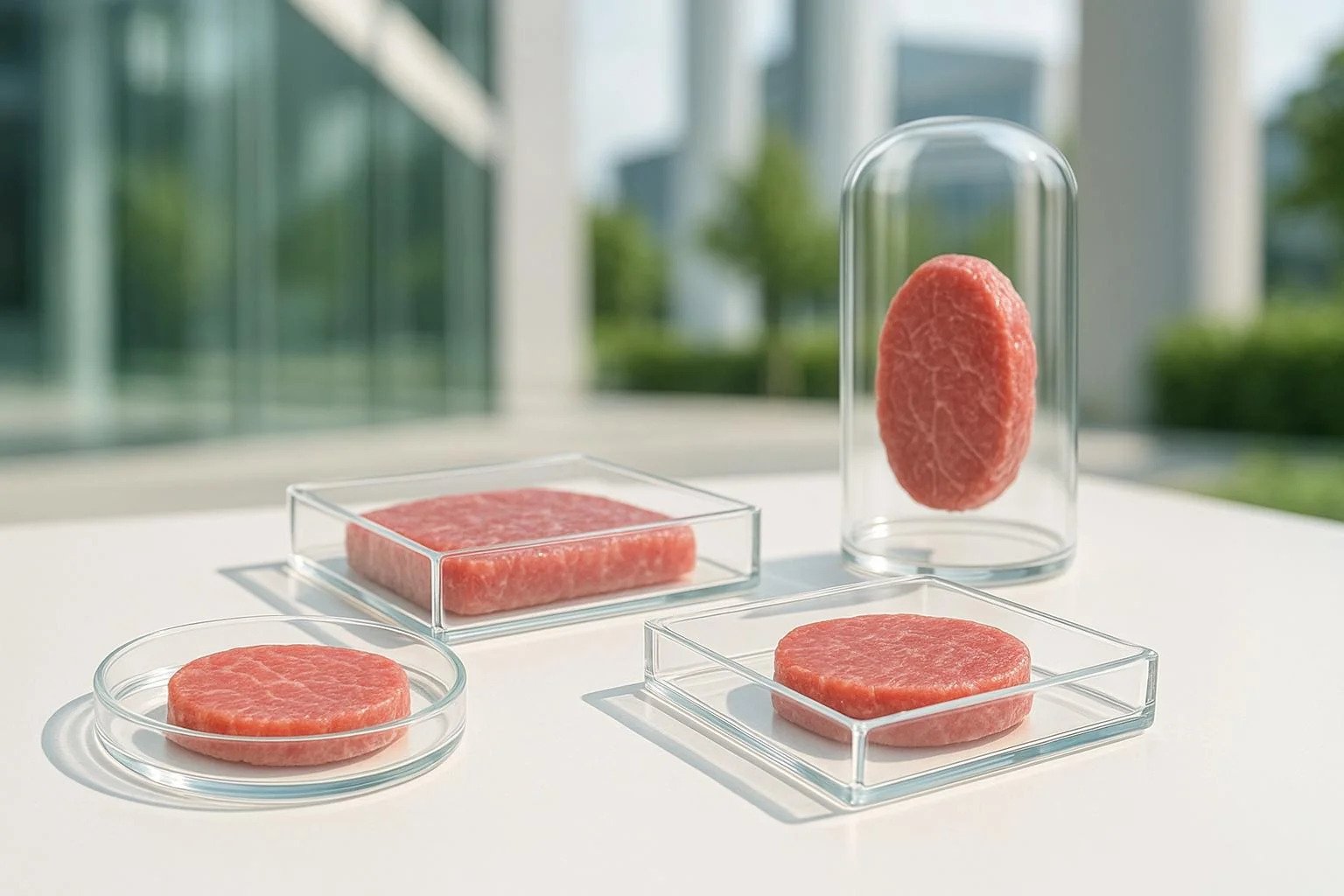
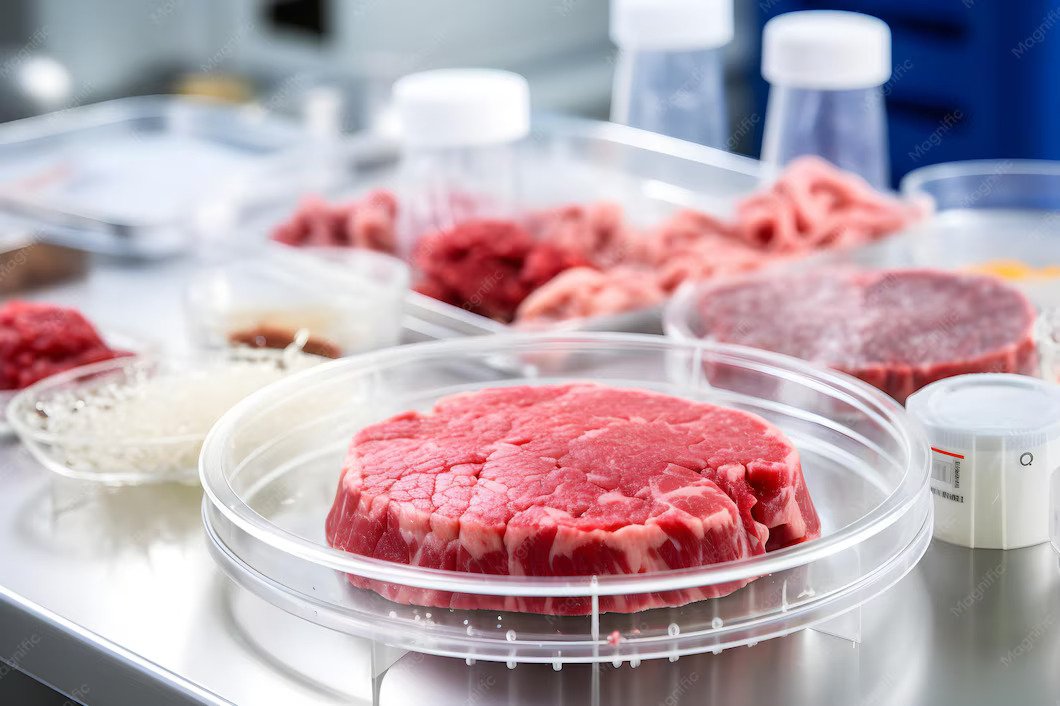
Developed by a research team led by Professor Seon-Tea Joo at Gyeongsang National University, the prototype is designed to replicate the fibrous structure and marbling of whole beef cuts. The approach integrates cultivated muscle cells with proteins derived from peas, soybeans and wheat, creating a composite structure intended to reproduce the appearance and texture of conventional meat while reducing dependence on resource-intensive cell cultivation.
The development was announced by South Korea's Korea Institute of Planning and Evaluation for Technology in Food, Agriculture and Forestry (IPET) on October 22. The project received support from the Ministry of Agriculture, Food and Rural Affairs and was funded under the High Value-Added Food Technology Development Program between April 2021 and December 2025. Researchers from Chungbuk National University and Kyungpook National University, alongside a biotechnology company, also participated.
Reconstructing the architecture of meat
Unlike minced or ground meat applications, whole-cut cultivated meat requires researchers to reproduce the organised arrangement of muscle fibres, fat distribution and connective structures that determine the texture and eating characteristics of individual cuts.
The South Korean team has approached this challenge by developing a process that combines cultivated muscle cells with plant proteins to produce fine, thread-like fibres. These fibres are subsequently bundled into a three-dimensional structure designed to resemble the grain of conventional meat.
A mixture of vegetable oils and beef fat is then incorporated to recreate marbling and influence the final texture. By adjusting the quantity and distribution of fat, the researchers aim to reproduce characteristics associated with different beef cuts, including sirloin, tenderloin and striploin.
The team has also developed equipment to manufacture and bundle the fibres at larger volumes. The process has been compared to noodle production, in which fine strands are drawn out and assembled into a larger structure. This approach is intended to make the manufacturing process more adaptable to different product specifications and production requirements.
The economics behind the hybrid approach
The reported cost reduction is particularly significant in a sector where the economics of cell cultivation have remained a major constraint. Conventional cultivated meat production relies on growing animal cells under controlled conditions, often involving expensive growth media, specialised infrastructure and scaffolding materials to support tissue development.
By incorporating plant proteins into the product architecture, the researchers aim to reduce the quantity of cultivated cellular material required. The process also incorporates reusable cell-culture scaffolds, helping lower material consumption and improve production efficiency.
According to reporting by South Korea's Electronic Times, these interventions contributed to the reported 70–80 per cent reduction in production costs.
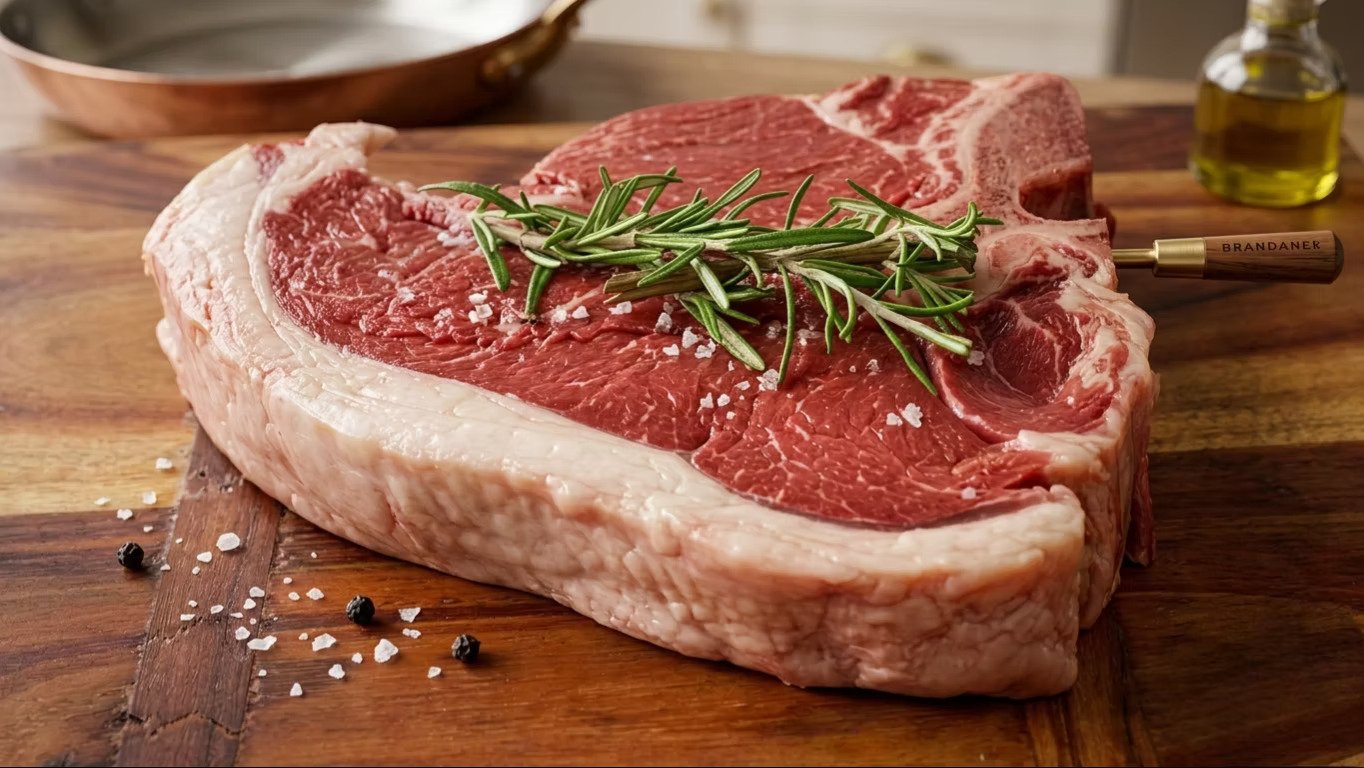
The researchers have indicated an anticipated selling price of approximately KRW40,000 (around US$30) per kg following commercialisation. For comparison, they cited a price of approximately KRW80,000 (around US$60) per kg for grade 1 Hanwoo sirloin, a premium Korean beef category.
However, the projected price should not be interpreted as an established retail price. The prototype remains part of a commercial development programme, and its eventual economics will depend on manufacturing scale, regulatory approvals, product consistency and market acceptance.
From laboratory development to commercialisation
The latest prototype builds on research previously disclosed by Gyeongsang National University in May 2025. At the time, the university presented a marbled, steak-style hybrid cultivated meat product developed through its meat science laboratory and university spinout, Orange CAU.
An important component of the earlier research was the development of edible microcarriers for cultivating animal cells. These materials were intended to replace non-edible scaffolding systems, which can complicate cell harvesting and increase processing costs. The university reported that its cell cultivation and harvesting technology had reduced costs to less than half those of its earlier approach.
The research also explored controlling the differentiation of muscle-derived cell lines to reproduce characteristics associated with specific meat cuts.
Commercial development is now being pursued through Orange CAU, established as a university spinout in July 2024. The company is developing its Biomimetic Myofiber platform and products under the Marvel Marble brand, with plant-based, hybrid and cultivated meat technologies forming part of its development portfolio.
Its platform is designed to customise muscle-fibre density, texture and fat distribution according to the characteristics of different meat cuts. The company reports having four registered patents, more than 50 publications in international scientific journals and a HACCP-certified facility. It describes its operations as being at pilot scale.
These developments indicate an effort to move beyond laboratory research towards manufacturing and product development. Nevertheless, the company's reported infrastructure and research credentials should be distinguished from regulatory clearance to sell cultivated meat products commercially.
A different proposition for alternative protein
The South Korean development reflects a broader shift in alternative protein research towards hybrid formulations that combine the functional characteristics of different protein sources rather than relying on a single production technology.
Plant-based meat products have achieved commercial availability in several markets, but reproducing the complex fibrous architecture and fat distribution of whole-muscle cuts remains challenging. Cultivated meat, meanwhile, offers the possibility of producing animal-derived muscle tissue without raising and slaughtering livestock, but its cost and manufacturing complexity have constrained commercial expansion.
Hybrid approaches attempt to bridge these limitations. By using plant proteins to provide structural volume and cultivated cells to contribute animal-derived muscle components, manufacturers could potentially reduce the amount of cellular material required while retaining some of the characteristics consumers associate with conventional meat.
For the industry, the more important question is whether such formulations can deliver consistent sensory quality and nutritional performance at commercially viable production costs. The reported cost reductions are encouraging, but independent validation, repeatable manufacturing, food safety assessments and regulatory approvals will ultimately determine the technology's commercial potential.
With Orange CAU advancing the prototype towards commercialisation, South Korea's latest research offers another indication that the future of alternative protein may not be defined by plant-based or cultivated meat alone, but increasingly by the integration of both.