The race to develop more effective and sustainable agricultural biologicals is gaining another strategic partnership, with Germany-based BRAIN Biotech AG and Switzerland-headquartered Syngenta joining forces to accelerate innovation in biological crop solutions.
The cooperation brings together BRAIN Biotech's expertise in synthetic biology, microbial strain development and industrial biotechnology with Syngenta's global agricultural research capabilities and established biologicals business. The objective is to advance the development of next-generation biological solutions that can complement conventional crop protection products while supporting plant health, resilience and productivity.
Under the collaboration, BRAIN Biotech will contribute its microbial strain development capabilities to Syngenta's research initiatives, helping explore the potential of novel biologicals for agricultural applications. The partnership reflects a broader shift in agricultural innovation, as companies increasingly look beyond conventional chemical approaches to address mounting challenges involving crop health, environmental sustainability, pest pressure and production resilience.
"Partnering with a global leader like Syngenta underscores the importance of biological innovation for sustainable agriculture," said Martin Langer, executive vice-president at BRAIN Biotech. He described the cooperation as an opportunity to combine the company's industrial biotechnology capabilities with Syngenta's scale and field-driven insights to develop solutions that deliver benefits for farmers and the environment.
Jérôme Cassayre, Syngenta's head of Biologicals Research, said agricultural innovation would be central to unlocking the next generation of sustainable farming solutions. He emphasised the importance of collaborating with scientific and technology partners to expand the boundaries of agricultural biologicals.
Synthetic biology enters the agricultural innovation equation
At the heart of the cooperation is the application of synthetic biology and advanced microbial engineering to agricultural research. Microorganisms and their biological products offer opportunities to develop solutions that can influence crop protection, plant health and agricultural productivity. However, translating microbial discoveries into commercially viable agricultural products requires specialised capabilities in strain identification, optimisation, development and production.
This is where BRAIN Biotech's technological platform becomes relevant. The company provides specialised microbiological services, including the identification and optimisation of microbial strains for the production of enzymes and biomolecules.
Its capabilities are being consolidated under BRAINBiocatalysts, the company's industrial biotechnology brand, which brings together its portfolio of biotechnology methods and customer-oriented services. Another important resource is the BRAIN BioArchive, a collection containing tens of thousands of unique microbial strains. The archive enables customers to identify and access strains suited to specific applications, providing a foundation for exploring new biological functions and potential commercial uses.
By bringing these capabilities into Syngenta's agricultural research ecosystem, the collaboration aims to accelerate the exploration of microbial solutions for farming applications.
Biologicals gain strategic importance in crop protection
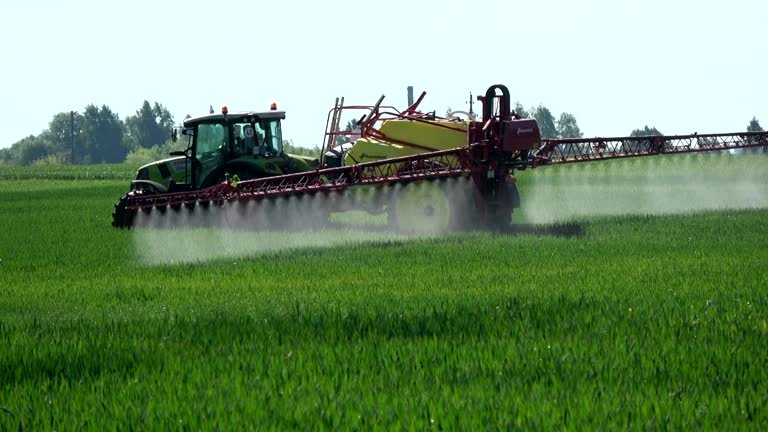
The partnership comes at a time when agricultural input companies are expanding their biologicals portfolios to complement established crop protection technologies. Increasing pest resistance, changing climatic conditions, regulatory expectations and the need to improve the environmental profile of agricultural production are reshaping research priorities. Biological solutions are attracting attention for their potential to provide additional tools for managing crop health and improving production resilience.
For established crop protection companies, the challenge is to move beyond identifying promising biological organisms or compounds and develop products that deliver consistent performance under variable field conditions. This requires scientific capabilities spanning microbial discovery, formulation, scalability, product development and field validation. Strategic collaborations can help companies access specialised technologies and shorten the pathway from laboratory research to agricultural applications.
For BRAIN Biotech, the Syngenta cooperation provides an opportunity to apply its industrial biotechnology expertise to a major agricultural innovation ecosystem. For Syngenta, access to advanced microbial development capabilities strengthens its research partnerships as it explores the next generation of biological solutions.