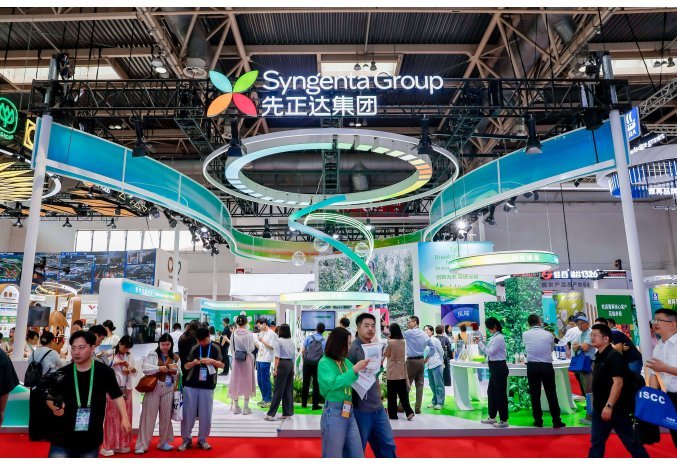
In a move that underscores the growing convergence of agriculture, food processing and technology, Syngenta Group China, McDonald’s China and McCain China have announced a strategic partnership to build a more resilient, efficient and sustainable potato supply chain in China—one of the world's fastest-growing markets for processed potato products.
The three companies signed a Memorandum of Understanding (MoU) at the 4th China International Supply Chain Expo, launching an initiative that seeks to modernize potato cultivation through science-based farming, digital tools and integrated supply-chain management.
The collaboration reflects a broader transformation underway in global agriculture, where food companies are increasingly moving upstream into farming systems to secure quality, consistency and sustainability amid mounting climate and resource pressures.
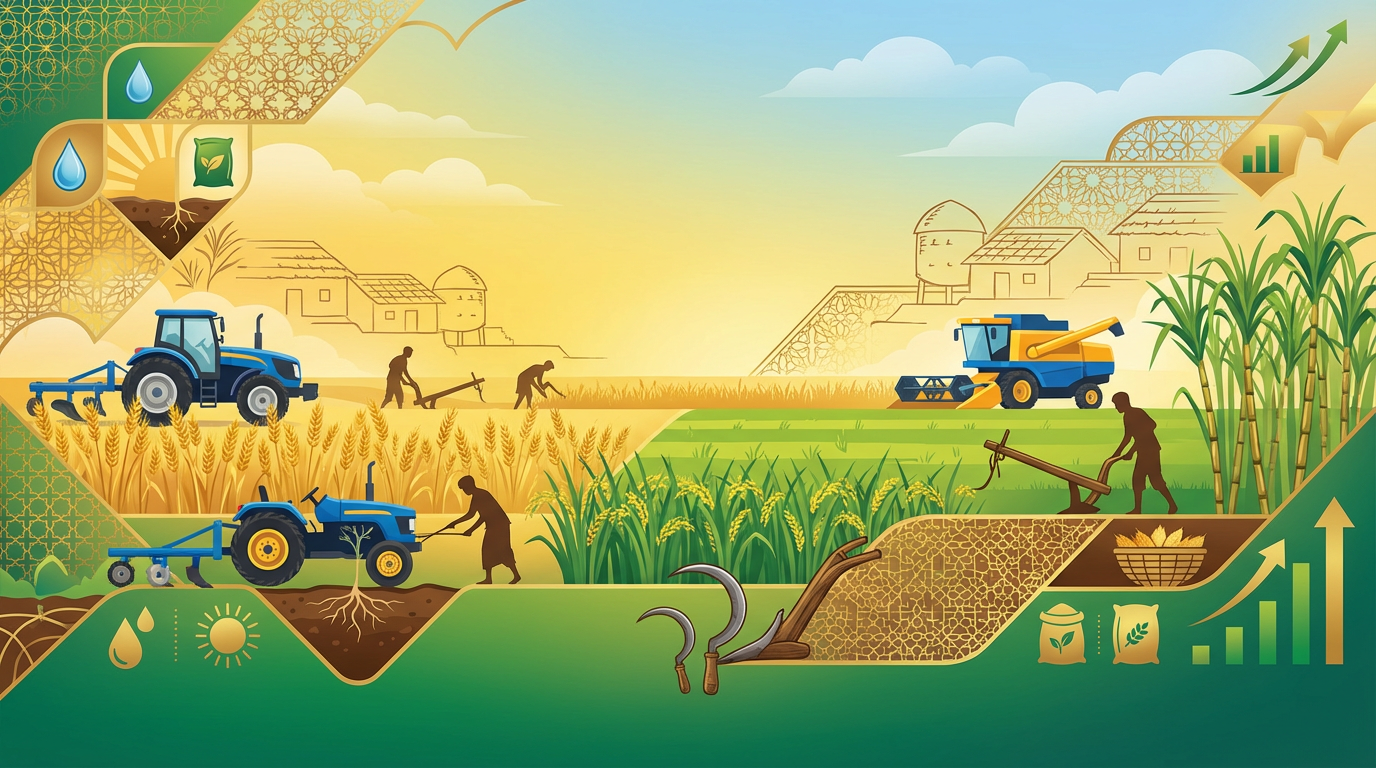
At the heart of the partnership is a pilot program that will introduce advanced agronomic practices aimed at improving both productivity and environmental performance. Syngenta Group China plans to deploy a comprehensive package of solutions covering soil health management, customized crop stewardship, precision fertigation, integrated pest management, intelligent field monitoring and sustainable farming practices.
The initiative will leverage Syngenta's extensive agricultural ecosystem, including its crop protection and seed technologies, digital farming platforms and nationwide network of Modern Agriculture Platform (MAP) technical service centers.
The announcement comes at a time when agriculture is facing a complex set of challenges ranging from climate variability and declining resource availability to growing consumer expectations around food quality and sustainability. For major food manufacturers and restaurant chains, securing reliable access to high-quality agricultural raw materials has become a strategic priority rather than merely a procurement challenge.
“Agriculture today faces mounting pressure from yield and resource constraints, requiring a shift from volume expansion to resilience building,” said Su Fu, President of Syngenta Group China.
His remarks reflect a broader industry shift away from maximizing production at any cost toward creating farming systems capable of sustaining output while reducing environmental impact.
Syngenta believes the partnership can help bridge that gap by bringing advanced agricultural technologies directly to farmers.
“Syngenta aims to bring innovative technologies and modern farming services to potato farmers, safeguarding their incomes and reinforcing the entire value chain. It's an example of our commitment to bring breakthroughs for farmers in every field, to deliver higher yields with lower impact,” Su said.
For McDonald’s China, the initiative is as much about product consistency as it is about sustainability.
French fries remain one of the company's most iconic menu items globally, and maintaining uniform quality begins long before potatoes enter a processing facility.
“McDonald’s dedication to consistent taste and quality begins with potato cultivation right from the farm,” said Jim Shi, Chief Supply Chain Officer of McDonald’s China.
“By leveraging Syngenta’s input expertise and sustainable solutions, we strive to bring premium fries to Chinese consumers sustainably and reliably.”
The partnership also highlights the increasingly strategic role played by McCain Foods, one of the world's largest producers of frozen potato products and a long-standing supplier to McDonald’s.
For McCain China, the agreement represents an opportunity to strengthen every stage of the value chain—from farming and processing to quality assurance and market delivery.
“McCain and McDonald’s have long partnered in China based on our shared value of quality and long-termism,” said Liu Linlin, Managing Director of McCain China.
“This tripartite MOU marks our collective pledge to further advance the high-quality development of China’s potato sector—through sustainable agricultural technologies, shared gains for farmers and partners, plus digital traceability and quality insurance for fries.”
The emphasis on digital traceability is particularly significant. As food companies face increasing scrutiny over sourcing practices and sustainability claims, the ability to track products from farm to consumer is becoming a critical competitive advantage. Digital monitoring systems, precision farming technologies and data-driven crop management are expected to play a central role in the project.
Beyond the immediate objective of improving potato production, the initiative offers a glimpse into the future of agricultural supply chains. Rather than operating as isolated actors, seed and technology providers, food processors and consumer brands are increasingly forming integrated partnerships to manage risks across the value chain.
China's potato sector is especially important in this context. The country is among the world's largest potato producers, and demand for processed potato products has expanded rapidly alongside urbanization, rising incomes and the growth of quick-service restaurant chains. Ensuring a stable supply of processing-grade potatoes has therefore become an increasingly strategic concern for both domestic and multinational food companies.
The partnership also aligns with China's broader push toward agricultural modernization, which emphasizes technology adoption, resource efficiency and sustainable production systems. Precision irrigation, integrated pest management and digital farming solutions are increasingly viewed as essential tools for balancing productivity growth with environmental stewardship.
For farmers, the initiative could provide access to advanced technologies and agronomic expertise that may improve yields, reduce input costs and strengthen resilience against climate-related risks. For processors and food companies, it promises greater consistency, traceability and supply security. And for consumers, it aims to ensure that the humble French fry remains both high-quality and sustainably produced.
The agreement may be focused on potatoes, but its implications extend far beyond a single crop. It represents a growing recognition across the food industry that the future of food quality, supply-chain resilience and sustainability begins not in factories or restaurants—but in the field.
As climate pressures intensify and consumer expectations evolve, partnerships such as this are increasingly becoming a blueprint for how global food systems will operate in the years ahead: data-driven, technology-enabled and deeply integrated from farm to fork.