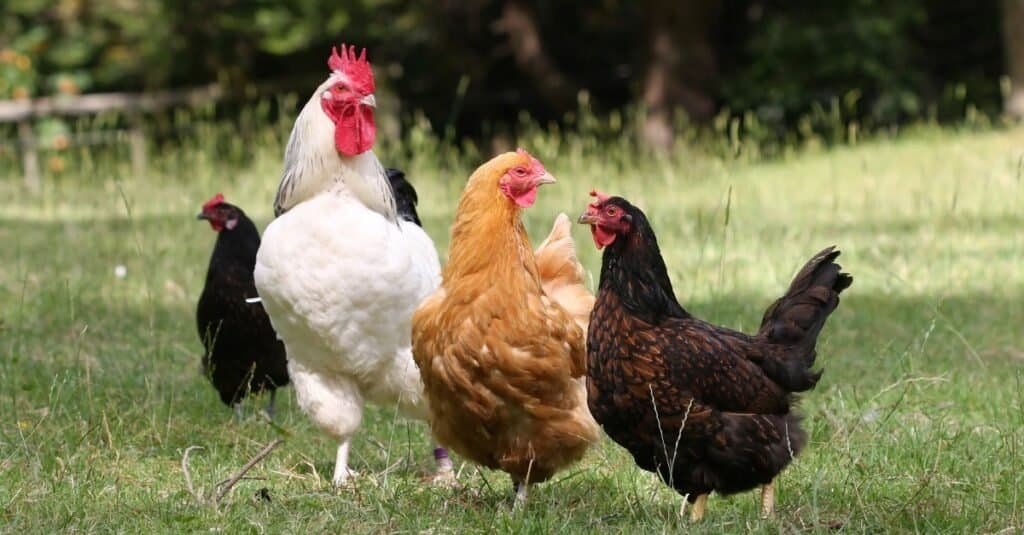
Indonesia's poultry sector is witnessing a significant shift toward higher animal welfare standards, and PT Widodo Makmur Unggas Tbk (WMU) is positioning itself at the forefront of that transformation. The integrated poultry farming and processing company has unveiled plans to more than double its cage-free egg production capacity, aiming to become the largest cage-free egg producer in Southeast Asia by 2027.
The move reflects a broader evolution in food supply chains across the region, where multinational corporations, hospitality groups and food-service operators are increasingly adopting cage-free sourcing commitments in response to changing consumer expectations and sustainability requirements.
WMU currently operates a cage-free flock of approximately 200,000 laying hens and plans to increase that number to 500,000 hens by 2027. If achieved, the expansion would place the company among the region's largest producers of cage-free eggs and strengthen Indonesia's position in the rapidly growing premium egg market.
The company's strategy comes as cage-free production transitions from a niche category to a mainstream procurement requirement among major global food brands. More than 2,000 food companies worldwide have committed to sourcing 100% cage-free eggs, including several international brands with significant operations in Indonesia such as KFC, Burger King, Hyatt and Marriott.
For WMU, the expansion is not merely a production increase but a strategic bet on a structural change in consumer behavior and corporate sourcing practices.
Demand for cage-free eggs has been accelerating across Indonesia's food-service, hospitality, restaurant and catering sectors as companies seek to align their supply chains with international animal welfare standards. The trend is increasingly being reinforced by consumers who are paying closer attention to how food products are produced and sourced.
Consumer sentiment appears to support that shift. Survey data from GMO Research indicates that 55% of Indonesian consumers prefer products made using cage-free eggs, while 72% believe food companies should implement animal welfare standards throughout their supply chains. These findings suggest that cage-free eggs are no longer viewed solely as a premium ethical product but are becoming part of a broader conversation around responsible food production.
WMU's growth strategy currently focuses on business-to-business sales, supplying cage-free eggs to commercial customers across food service, hospitality and restaurant segments. However, the company is also preparing to enter the consumer retail market with its own cage-free egg brand, signaling confidence that demand will extend beyond institutional buyers into household consumption.
The move mirrors developments in more mature food markets, where cage-free eggs have steadily gained market share as consumers increasingly associate animal welfare with food quality, sustainability and responsible production practices.
Beyond ethical considerations, cage-free systems are also attracting attention for their potential food safety advantages. Research from the European Food Safety Authority suggests that the risk of Salmonella contamination on cage-free farms may be significantly lower than in conventional caged production systems, adding another layer of appeal for food companies and consumers alike.
The shift also aligns with the growing emphasis on environmental, social and governance (ESG) standards across global food supply chains. As multinational companies strengthen sustainability commitments, suppliers that can meet animal welfare requirements are likely to enjoy a competitive advantage in securing long-term contracts and accessing premium markets.
Industry observers view WMU's expansion as an important milestone for Indonesia's poultry sector, which has traditionally focused on production efficiency and affordability. The emergence of cage-free farming at scale suggests the market is beginning to evolve toward higher-value production systems that balance productivity with welfare and sustainability considerations.
The company's investment also highlights a broader transformation taking place across Southeast Asia's food industry. As incomes rise and consumers become more conscious of production practices, demand is increasingly shifting toward products that offer assurances around quality, safety, sustainability and animal welfare.
For Indonesia, one of the region's largest food markets, that transition could create significant opportunities for producers willing to adapt early.
WMU's expansion plan signals that cage-free eggs are no longer a peripheral trend but an emerging growth segment with the potential to reshape poultry supply chains across the region. By investing ahead of demand and positioning itself as a large-scale supplier, the company is betting that the future of egg production in Southeast Asia will be defined not only by volume, but by how those eggs are produced.
If consumer preferences, corporate commitments and regulatory trends continue moving in the same direction, WMU's wager on cage-free production could become one of the most significant shifts in Southeast Asia's poultry industry over the next decade.