COFCO International today announced significant reductions in supply chain emissions across its key crops supply chains and expanded sustainability-linked financing tied to these targets, as it publishes its 2025 Sustainability Report.
Against a backdrop of climate volatility, supply chain disruption and rising global demand, this progress underscores the need for more resilient and sustainable agricultural production systems. As a major global agricultural supply chain operator, COFCO International plays a key role in connecting production regions with global demand.
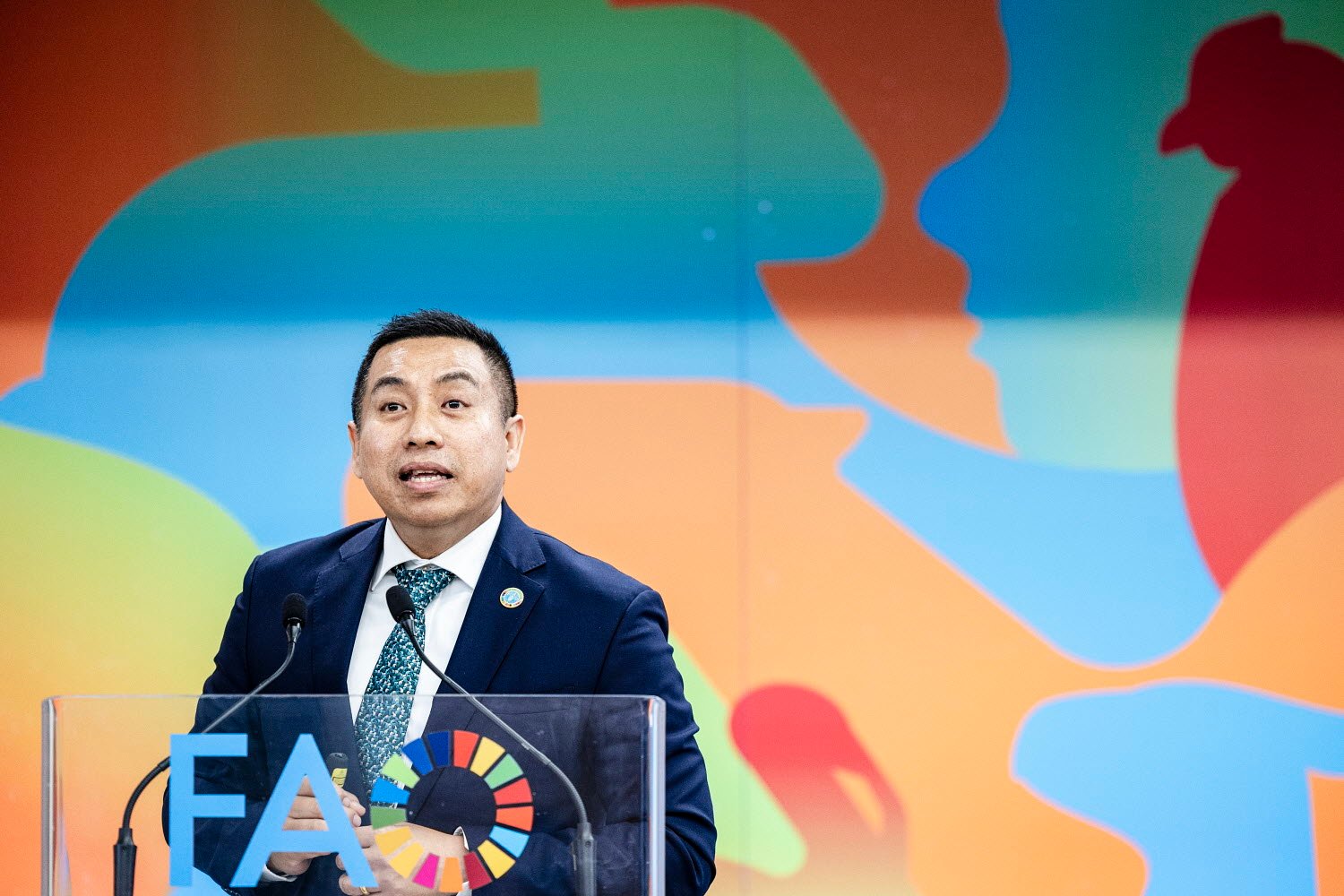
The company achieved Scope 3 FLAG emissions intensity reductions of 23 per cent in corn and 11 per cent in soy, reflecting focused action in its priority supply chains and progress towards its 1.5°C-aligned SBTi FLAG targets. “As global food demand grows, building resilient agricultural supply chains is essential to long-term food security,” said David Dong, Chief Executive Officer, COFCO International. “Our progress in reducing Scope 3 FLAG emissions and securing over $1 billion in sustainability-linked financing tied to our SBTi targets is helping us invest in more resilient, sustainable supply chains at scale.”
Driving emissions reductions where it matters most
Agriculture represents the majority of COFCO International’s emissions footprint, and Scope 3 reductions from agricultural supply chains are central to its climate strategy. The company focuses on forest, land and agriculture (FLAG) emissions, addressing deforestation and other types of land-use change and on-farm practices in its highest-impact supply chains. In 2025, COFCO International:
Reduced corn Scope 3 FLAG emissions intensity by 23 per cent
Reduced soy Scope 3 FLAG emissions intensity by 11 per cent
Achieved over 99 per cent deforestation- and conversion-free sourcing for soy in Brazil and Argentina and corn in Brazil
Central to this progress is the company’s work with farmers and suppliers to support the adoption of more sustainable and climate‑resilient agricultural practices. These results reflect sustained efforts to improve traceability, scale responsible sourcing programmes, strengthen engagement with farmers and suppliers, and invest in sourcing regions, infrastructure and supply chain capabilities.
Linking climate action with business performance
COFCO International is demonstrating that sustainability and growth can go hand in hand. In 2025, the company recorded a 46 per cent increase in certified sustainable grains and oilseeds sourced in South America, supported by the expansion of its Responsible Agriculture Standard in Brazil and Argentina.
As a key link between global agricultural producers and major consumption markets, including China, COFCO International is helping connect more sustainable production with growing demand. This approach enables farmers to strengthen practices, improve access to international markets and build more resilient livelihoods, while supporting customers’ sourcing requirements.
Financing the transition
COFCO International’s climate progress is increasingly embedded in its financing strategy. The company has expanded sustainability-linked financing to over $1 billion in loans tied specifically to SBTi-aligned Scope 3 FLAG emissions reduction KPIs, including new agreements with Bank of China and ICBC.
In addition to SBTi-linked financing, the company also secured a new $435 million social sustainability-linked loan from Standard Chartered, the first for its sector in South America. These instruments directly link financing to sustainability performance and enable continued investment in supply chain transformation, reinforcing the alignment between climate action, positive social impact, and long-term business resilience.
Operational progress and broader impact
Alongside value chain emissions reductions, COFCO International continued to reduce its environmental footprint:
41 per cent reduction in Scope 1 and 2 Industry emissions (vs 2021 baseline)
86 per cent of global energy needs met from renewable sources
Achieved its 2025 target to reduce water intensity by 10 per cent (vs 2019 baseline)
The company also strengthened its social impact, supporting more than 2,700 farmers and reaching over 56,000 people through community investment initiatives. The report follows the reporting recommendations of leading international standards, including ESRS, GRI and TCFD, and incorporates relevant aspects of China’s newly issued Corporate Sustainability Disclosure Standard No. 1 on Climate, with COFCO International among the early companies to voluntarily reference the standard following a gap assessment.
COFCO International will continue to scale these efforts as it advances its long-term climate strategy, supporting the transformation of global agricultural supply chains at scale while contributing to enhanced global food security.