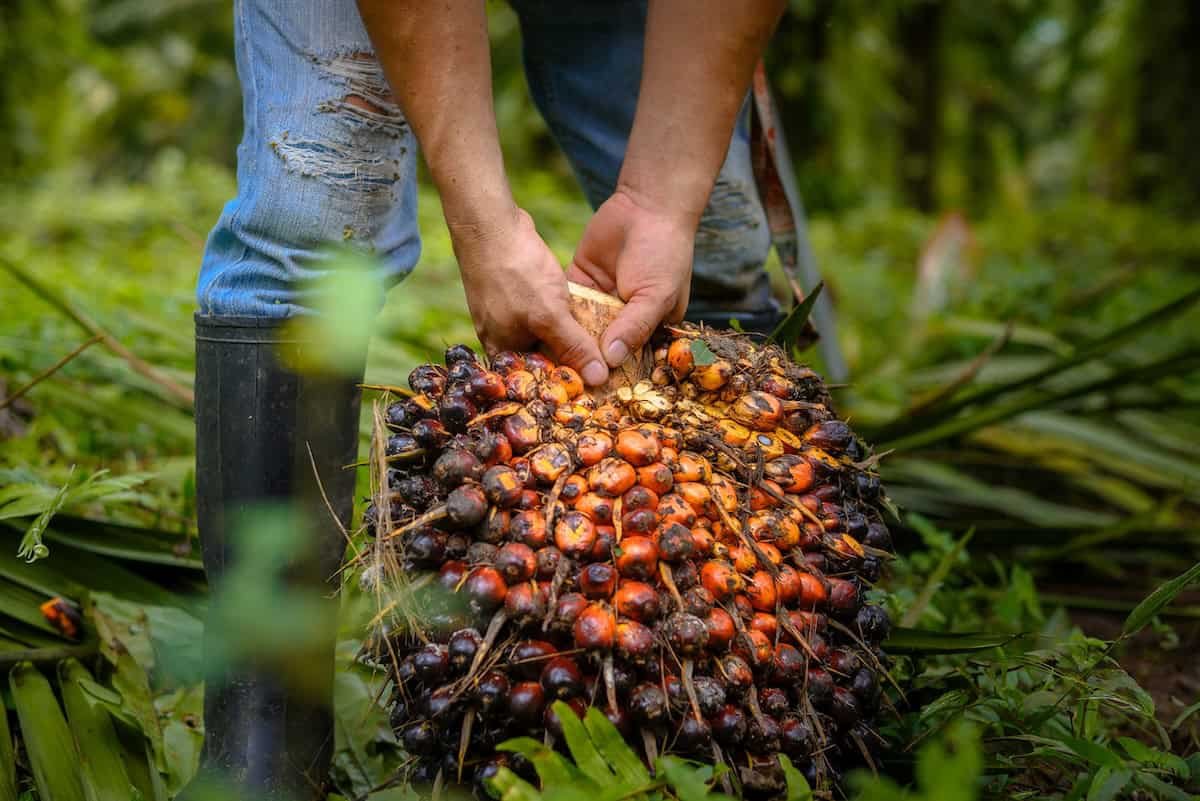
Just days ago, the global palm oil market appeared poised for another leg higher. Exports were holding firm, supply concerns linked to El Niño remained alive, Indonesia was preparing to launch its ambitious B50 biodiesel mandate, and India—the world's largest palm oil buyer—continued to absorb significant volumes. Prices had climbed to multi-week highs and market sentiment was firmly constructive.
Then crude oil collapsed. The result has been a sharp reversal in palm oil's near-term trajectory. Malaysian palm oil futures are currently trading at 4,551 MYR per tonne, down 1.77 per cent on the day, extending losses to more than 2 per cent for the week. Yet the broader picture remains more nuanced than the recent decline suggests. Prices are still 1.22 per cent higher over the past month and remain 13.43 per cent above year-ago levels, reflecting the underlying strength that has characterized the market throughout much of 2026.
The current correction is less a story of collapsing demand and more a story of competing narratives. On one side stands a market supported by structural demand growth, biofuel policies and weather-related supply risks. On the other stands a rapidly changing macroeconomic backdrop in which falling energy prices are reshaping expectations across the commodity complex.
At the heart of the selloff lies the palm oil market's increasingly close relationship with crude oil. Over the last decade, palm oil has evolved from being primarily a food commodity into a critical component of the global energy transition. Biodiesel mandates across Southeast Asia have tied palm oil demand more closely than ever to developments in energy markets. When crude oil rises, biodiesel blending becomes more attractive, increasing demand for palm-based fuels. When oil falls, that equation begins to change. That relationship is now being tested.
Crude oil is trading at $ 69.71 per barrel, down 0.9 per cent on the day, 8.1 per cent over the past week, and an extraordinary 25.8 per cent over the month. While oil remains 6.8 per cent higher than a year ago and 21.4 per cent higher year-to-date, the recent speed of the decline has dramatically altered market sentiment. The catalyst has been a rapid easing of geopolitical tensions that only weeks ago were fueling fears of supply disruptions across the Middle East. Progress in US-Iran diplomatic negotiations has improved the global supply outlook. Tanker traffic through the Strait of Hormuz has increased, reducing concerns over shipping disruptions. Iran has reportedly been granted a temporary US license to sell oil, while Gulf exporters, including the UAE, are steadily restoring shipments toward pre-conflict levels.
The consequence has been swift and decisive. Oil prices have retreated toward levels seen before the recent geopolitical flare-up. Headlines over the past week have captured the magnitude of the move: crude oil falling below $ 70 per barrel, Brent slipping back under $ 73, and the broader oil complex erasing much of the war-related risk premium that had accumulated earlier in the year.
For palm oil traders, the message was clear. If crude oil no longer provides strong support for biodiesel economics, one of the market's most important bullish pillars becomes less secure. Adding to the pressure is the Malaysian ringgit. A stronger ringgit makes Malaysian exports more expensive for overseas buyers, reducing competitiveness in global markets. Currency movements may not generate headlines like geopolitical conflicts, but they often exert a powerful influence on commodity trade flows. In the current environment, the stronger ringgit has become another obstacle for palm oil bulls.
Weakness in rival edible oil markets has compounded the challenge. Softer prices in Dalian and Chicago have reduced support across the vegetable oil complex. Palm oil rarely trades in isolation; buyers and processors continuously compare it with soybean oil, sunflower oil and other alternatives. As competing oils weaken, palm oil's ability to maintain premium pricing becomes increasingly difficult. Malaysia's decision to lower its July crude palm oil reference price has further reinforced perceptions of a softer near-term market. Although the export duty remains unchanged at 10 per cent, the reduction in the reference price reflects a recognition that market conditions have shifted since the rally earlier this year.
Yet despite the growing list of headwinds, palm oil has not entered a freefall.
The reason lies in a set of underlying fundamentals that continue to provide meaningful support. Export demand remains surprisingly resilient. Buyers continue to return to the market even as prices fluctuate, suggesting that underlying consumption remains healthy. Nowhere is this more important than in India, which remains the world's largest palm oil importer. Indian demand continues to serve as one of the most important stabilizing forces in the global market, helping absorb supplies even during periods of volatility.
Supply concerns have also not disappeared. El Niño-related weather risks continue to hover over Southeast Asian production forecasts. While the worst-case scenarios have not materialized, traders remain cautious about potential impacts on yields and output growth. In a market where small changes in production can have outsized effects on pricing, weather remains a critical variable.
Then there is Indonesia. Beginning 1 July, the world's largest palm oil producer is set to implement its B50 biodiesel mandate, requiring a 50 per cent palm oil blend in biodiesel fuel. The policy is expected to significantly increase domestic consumption, diverting additional volumes away from export markets and tightening global supplies. For many analysts, this remains one of the most compelling bullish arguments for palm oil over the medium term.
The market's recent price action illustrates the ongoing battle between these opposing forces.
Earlier in the week, palm oil climbed to a two-week high as export optimism, a weaker ringgit and stronger edible oil markets lifted sentiment. Prices subsequently advanced toward a three-week high, supported by expectations of stronger Indonesian biodiesel demand and persistent supply concerns. But each rally was ultimately capped by profit-taking and renewed weakness in crude oil. The latest decline, which pushed futures to a one-week low and below MYR 4,600 per tonne, reflects the growing dominance of macroeconomic factors over crop-specific fundamentals. The implications extend beyond the palm oil market itself.
The collapse in crude oil prices is already creating ripple effects across asset classes. Lower energy prices have reduced inflation concerns, helping European equities advance, with the STOXX 600 rising 0.4 per cent. Safe-haven demand has also softened, contributing to gold prices slipping below $ 4,000 per ounce. Across markets, investors are increasingly pricing in a world where energy-driven inflation risks are receding.
For palm oil, however, the story remains more complicated. Unlike pure energy commodities, palm oil continues to benefit from food demand, industrial use and government biofuel policies. That diversified demand base provides a degree of insulation from the volatility currently sweeping through oil markets. It is also why prices remain comfortably above year-ago levels despite the recent correction.
If Middle Eastern supply routes continue to normalize and geopolitical risks keep fading, crude oil could remain under pressure, limiting one of palm oil's key sources of support. But if Indonesia's B50 mandate delivers the expected increase in domestic consumption, and if export demand from India remains firm, the market could regain its footing surprisingly quickly. For now, palm oil finds itself caught between two powerful stories: a commodity market losing momentum as oil prices tumble, and an agricultural market still supported by strong demand and tightening structural fundamentals. Which story ultimately prevails will determine whether the current retreat becomes a temporary pause in a longer-term uptrend—or the beginning of a more prolonged period of adjustment.
-- Suchetana Choudhury (suchetana.choudhuri@agrospectrumindia.com)