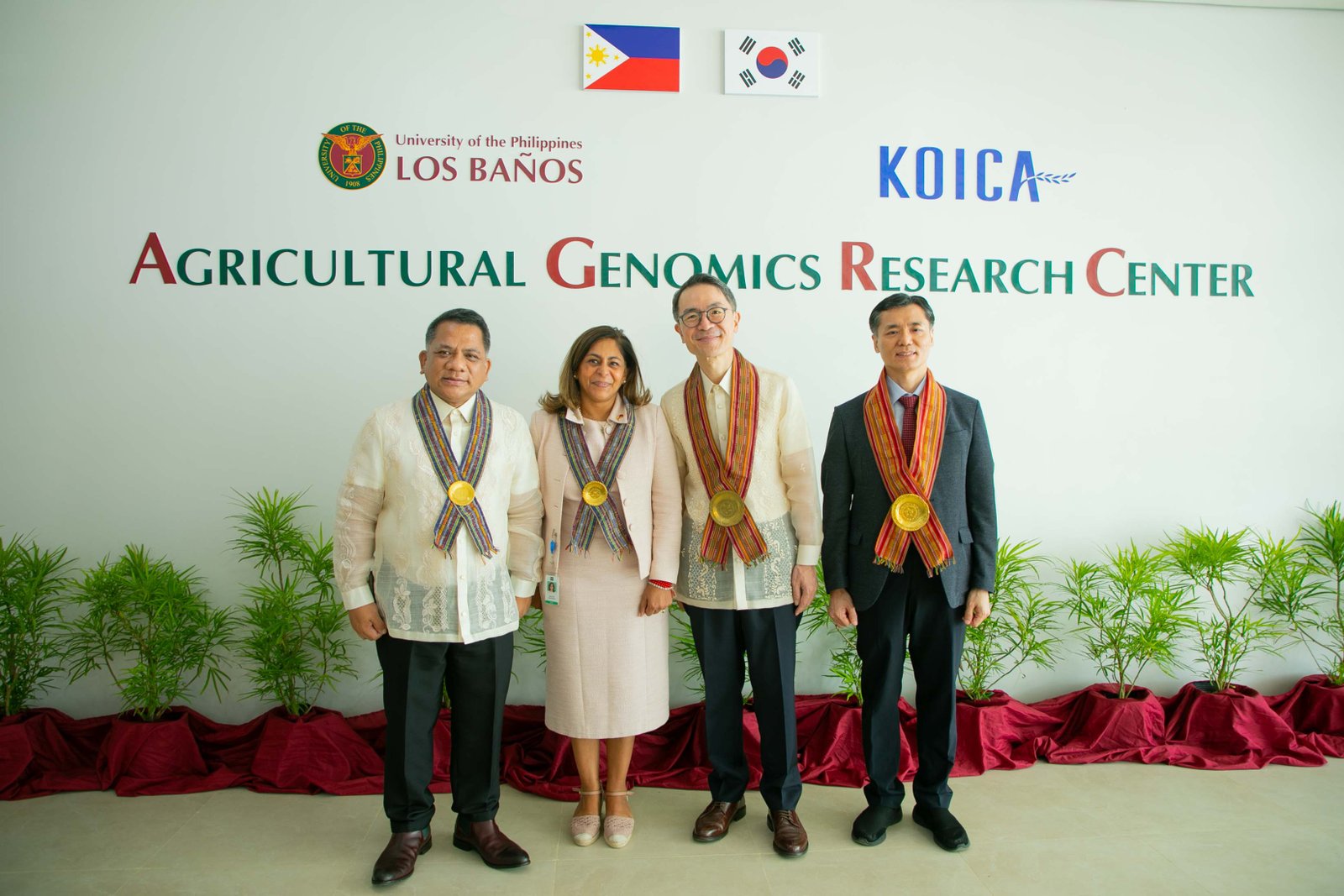
The Philippines has launched its first dedicated facility for agricultural genomics, establishing a national research hub designed to bring advanced genomics, bioinformatics and related technologies into the country’s agricultural research and crop-improvement systems. The Agricultural Genomics Research Center (AGRC), located at the University of the Philippines Los Baños (UPLB), is being established through a six-year, $14.95 million project funded by the Korea International Cooperation Agency (KOICA), with UPLB as partner and the International Rice Research Institute (IRRI) serving as project management consultant.
The centre brings together technologies spanning genomics and other “omics” disciplines, including transcriptomics, proteomics and metabolomics. Its mandate extends across crops, livestock and microorganisms, with research applications ranging from climate resilience and food security to environmental sustainability.
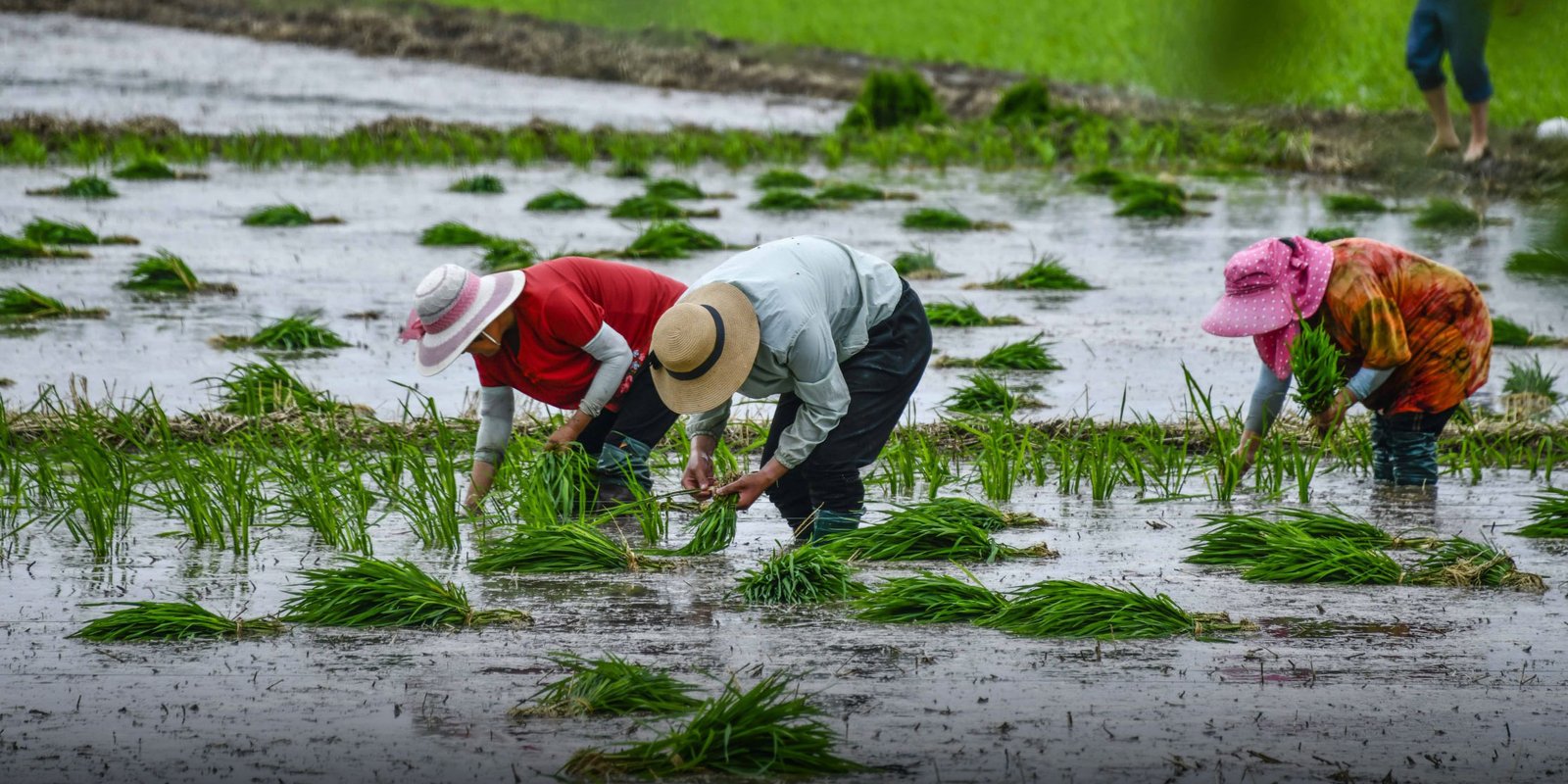
For rice breeders, the value of genomics lies in the ability to use genetic information to identify useful traits and accelerate the development of varieties suited to difficult production conditions. The technologies can support research into traits associated with drought, flooding, disease and other agricultural challenges, while the same genomic approaches can be applied across other crops, livestock and microorganisms.
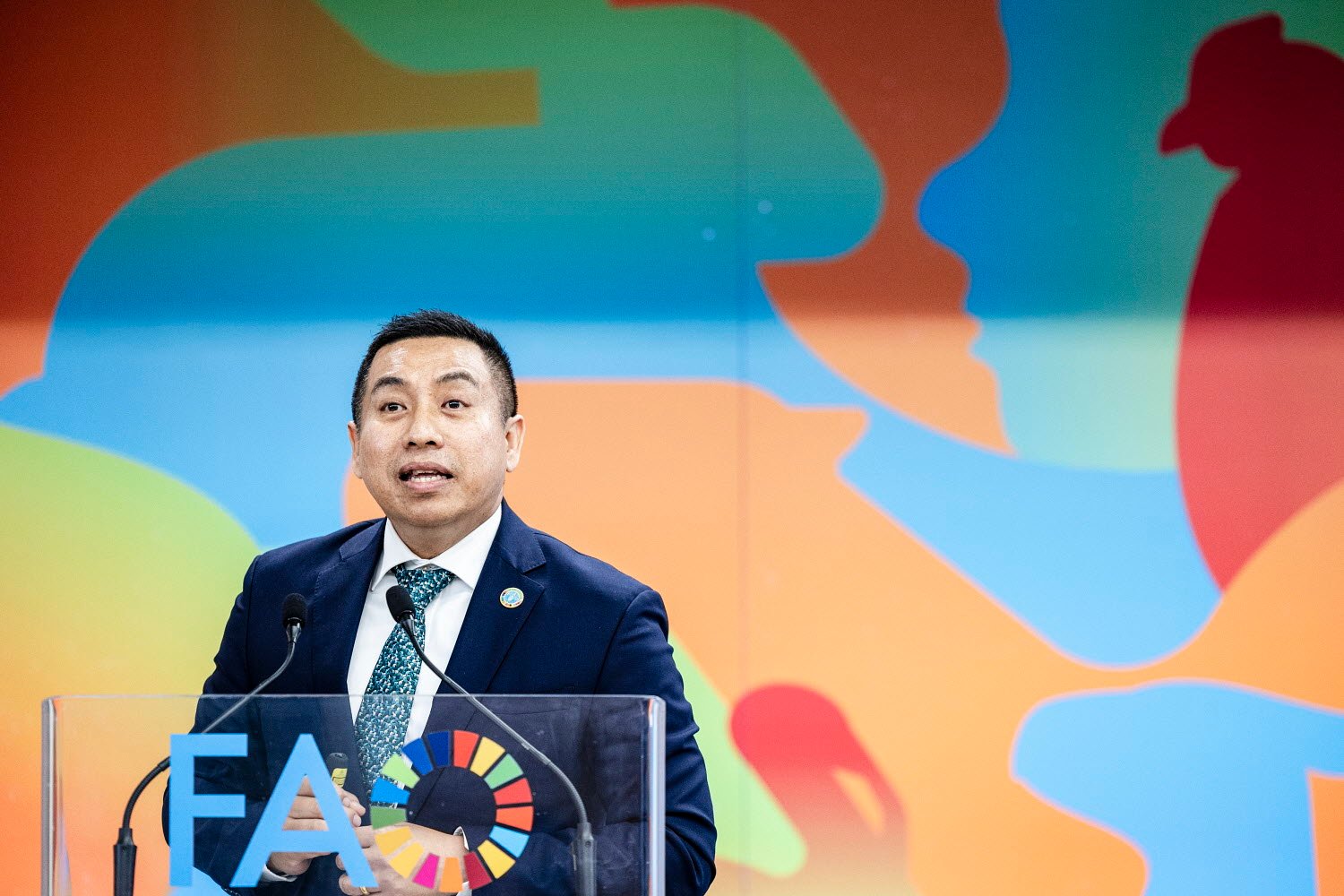
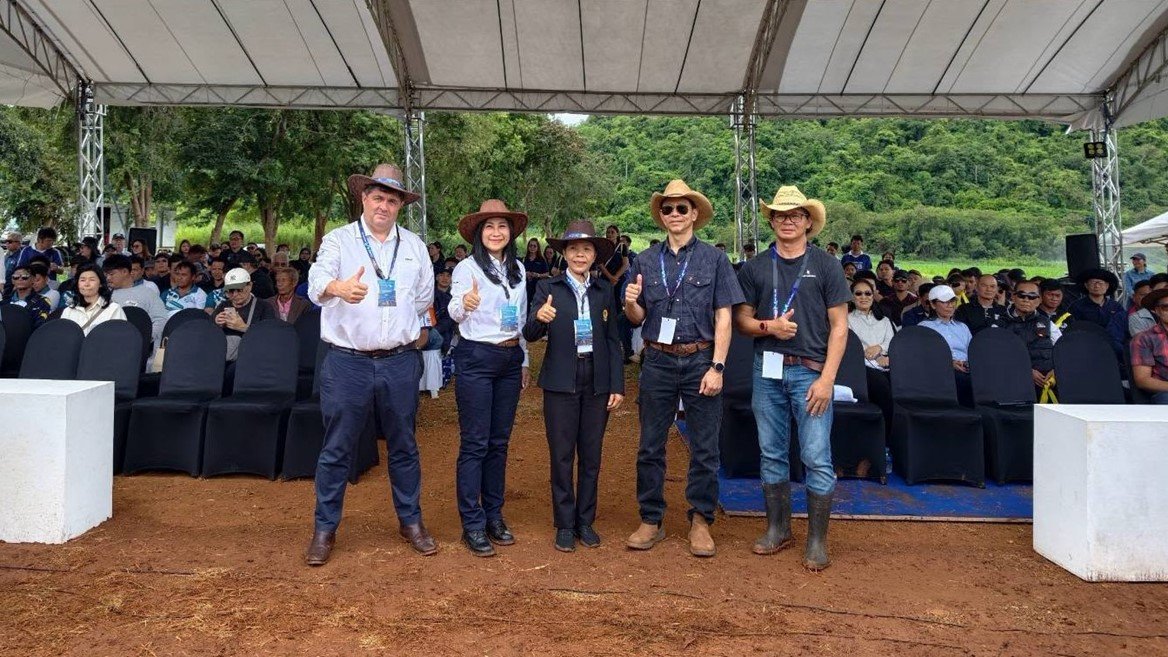
The centre was formally launched in Los Baños in the presence of Lee Dong-gyu, Ambassador of the Republic of Korea to the Philippines; Jung Youngsun, KOICA Country Director; Jose V. Camacho Jr., UPLB Chancellor; and Dr Yvonne Pinto, IRRI Director General. The initiative is intended to build more than physical research infrastructure. KOICA Country Director Jung Youngsun described the AGRC as a lasting symbol of Korea-Philippines cooperation and stressed the importance of bringing together institutions, expertise, technology and people to address increasingly complex agricultural challenges.
“The challenges facing agriculture are complex, and no single institution can address them alone. By bringing together knowledge, technology, resources, and people, we can achieve a much greater impact,” Jung said. Ambassador Lee similarly emphasised the human-capital component of the project, noting that the programme is designed to strengthen both research infrastructure and the researchers who will operate it. “It must be pointed out that this is not simply another infrastructure project, for the AGRC is designed to build people as much as facilities,” Lee said. “Filipino researchers are receiving advanced training, including PhD opportunities at Korean universities.”
The project builds on a longstanding Korea-Philippines relationship in rice and agricultural research. According to IRRI Director General Dr Yvonne Pinto, that cooperation has evolved from its earlier focus on rice research in Los Baños into a broader effort to develop the scientific networks and human capacity required for agricultural genomics. More than 150 scientists, regulators, and undergraduate and postgraduate students have already completed training in genomics, biosafety and data analytics under the partnership.
IRRI has supported the research and training component as the project’s technical partner. This includes opportunities for 15 UPLB master’s students to conduct research at IRRI and 10 PhD candidates to study at Korean universities through the Korea-Philippines sandwich programme. The collaboration has also supported four international conferences and established the Korea-Philippines Open Network (KPOP-Net), linking 11 Philippine institutions with 10 Korean universities for joint research, researcher exchanges, skills development and technology adoption.
The AGRC was established under the project titled “Capacity-Building for Higher Education and the Establishment of Agricultural Genomics Research Center at the University of the Philippines-Los Baños.” For the Philippines, the centre creates a dedicated platform for moving agricultural genomics from specialised research into a wider national research and innovation ecosystem. Its combination of advanced technologies, researcher training and international institutional networks is intended to strengthen the country’s ability to develop agricultural solutions for changing climatic and production conditions.