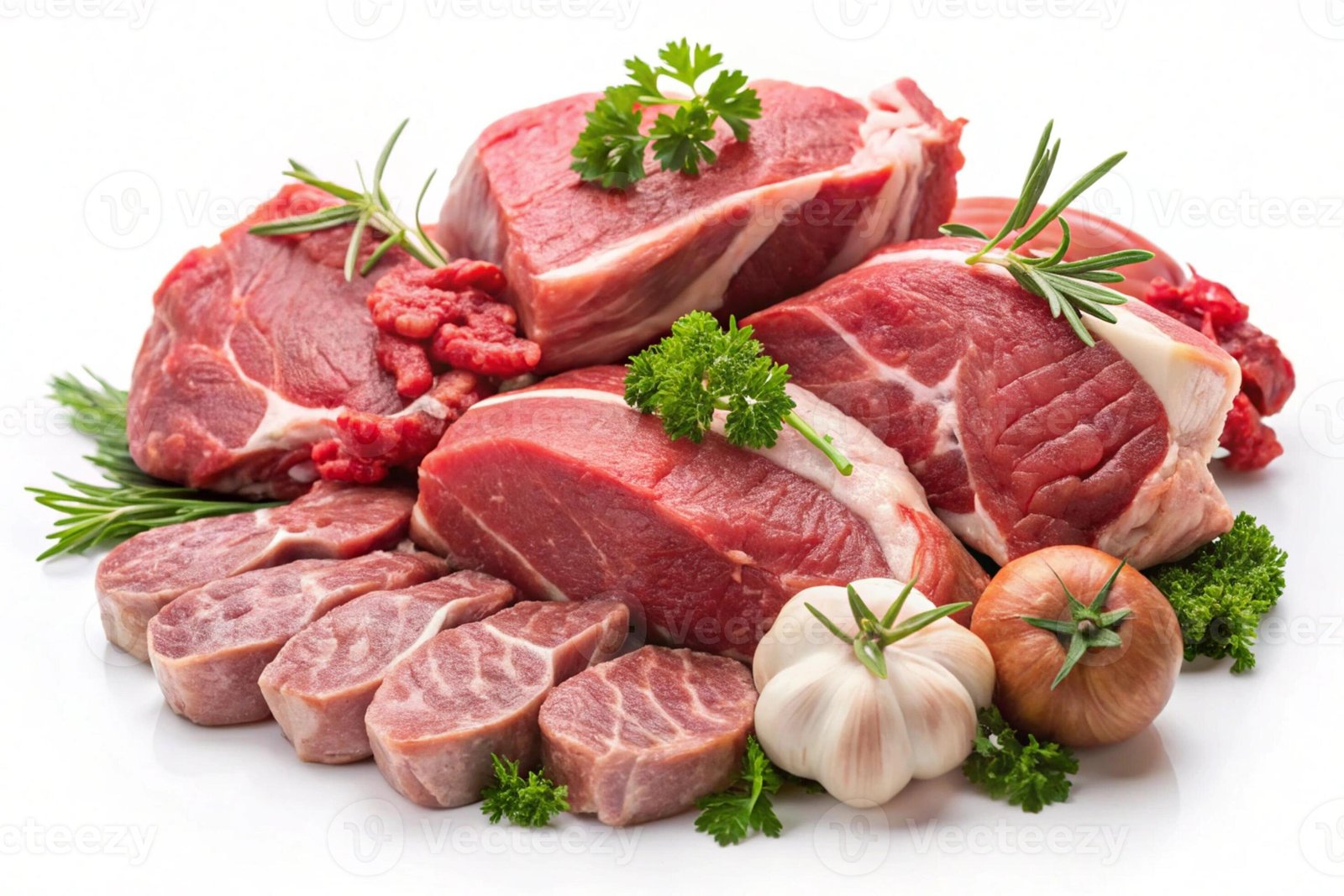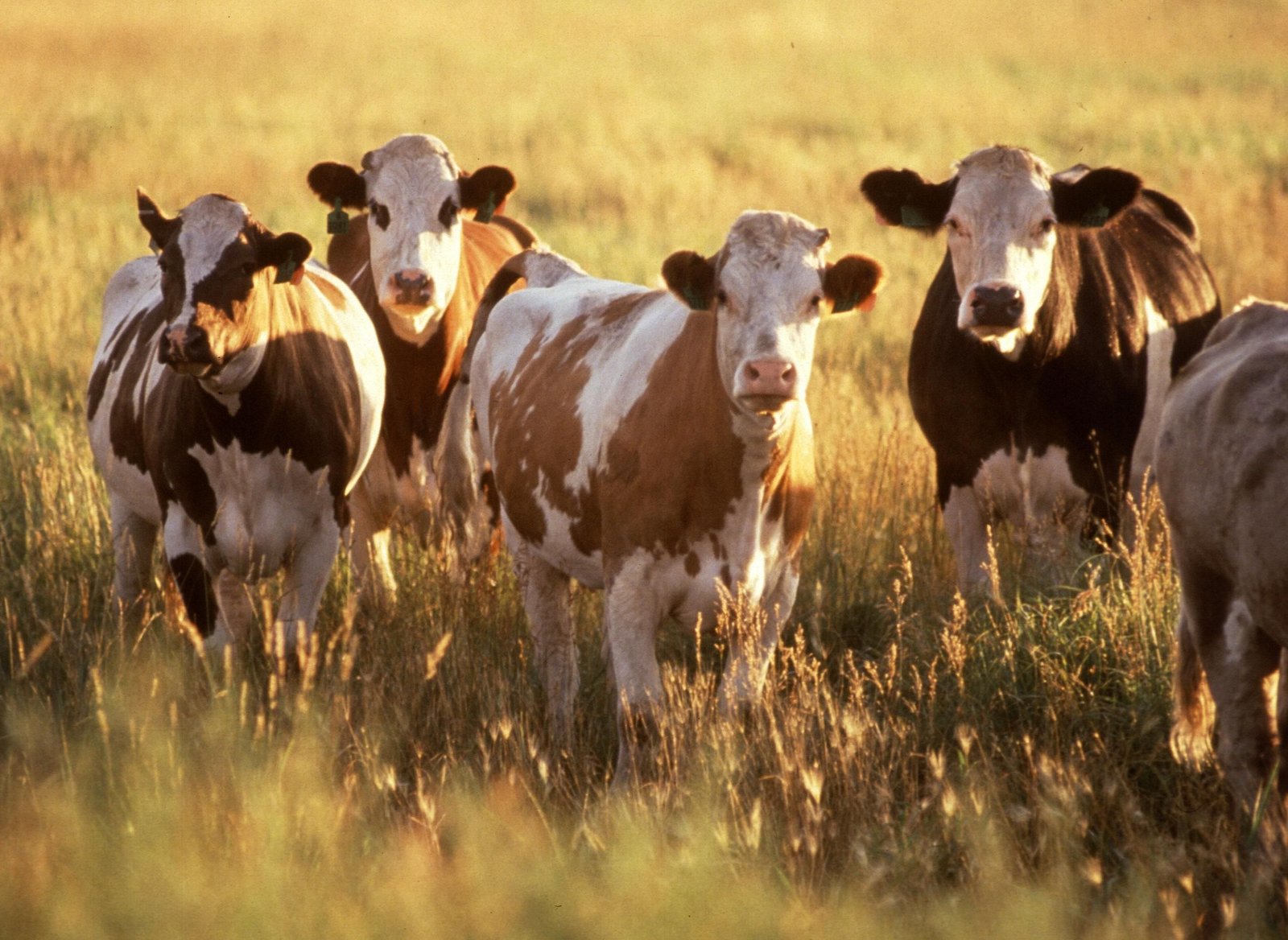
The Philippines has expanded its corn import quota to 500,000 tonnes in a move aimed at easing feed costs, supporting domestic livestock producers and containing potential increases in meat prices. The policy adjustment reflects growing concerns over the availability of yellow corn, a critical ingredient in the country's animal feed industry.
Agriculture Secretary Francisco Tiu Laurel Jr. said the decision to increase the minimum access volume (MAV) for corn is intended to ensure adequate feed supplies while protecting the competitiveness of the country's pig and poultry sectors.
On October 26, the government raised the corn import quota by 280,000 metric tonnes to address a projected yellow corn deficit of 1.42 million tonnes between March and December 2026. The Department of Agriculture (DA) said additional imports would supplement domestic production during the lean season and help moderate pressure on feed prices.
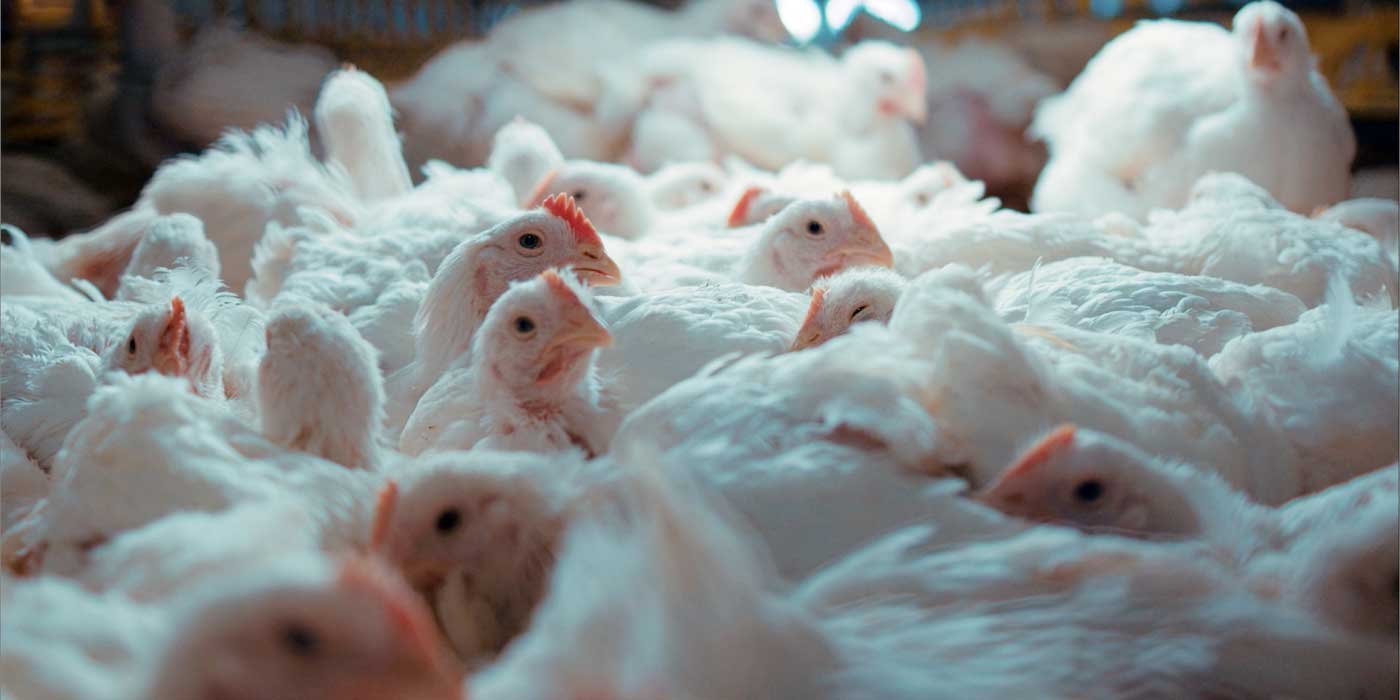
Corn availability has significant implications for the Philippines' livestock economy, where feed constitutes a substantial share of production costs. Any sustained increase in feed prices can squeeze producer margins, particularly in commercial pig and poultry operations, while eventually feeding into retail meat prices.
Tiu Laurel emphasised that access to affordable corn is essential to maintaining the viability of livestock production and protecting consumers from higher meat prices.
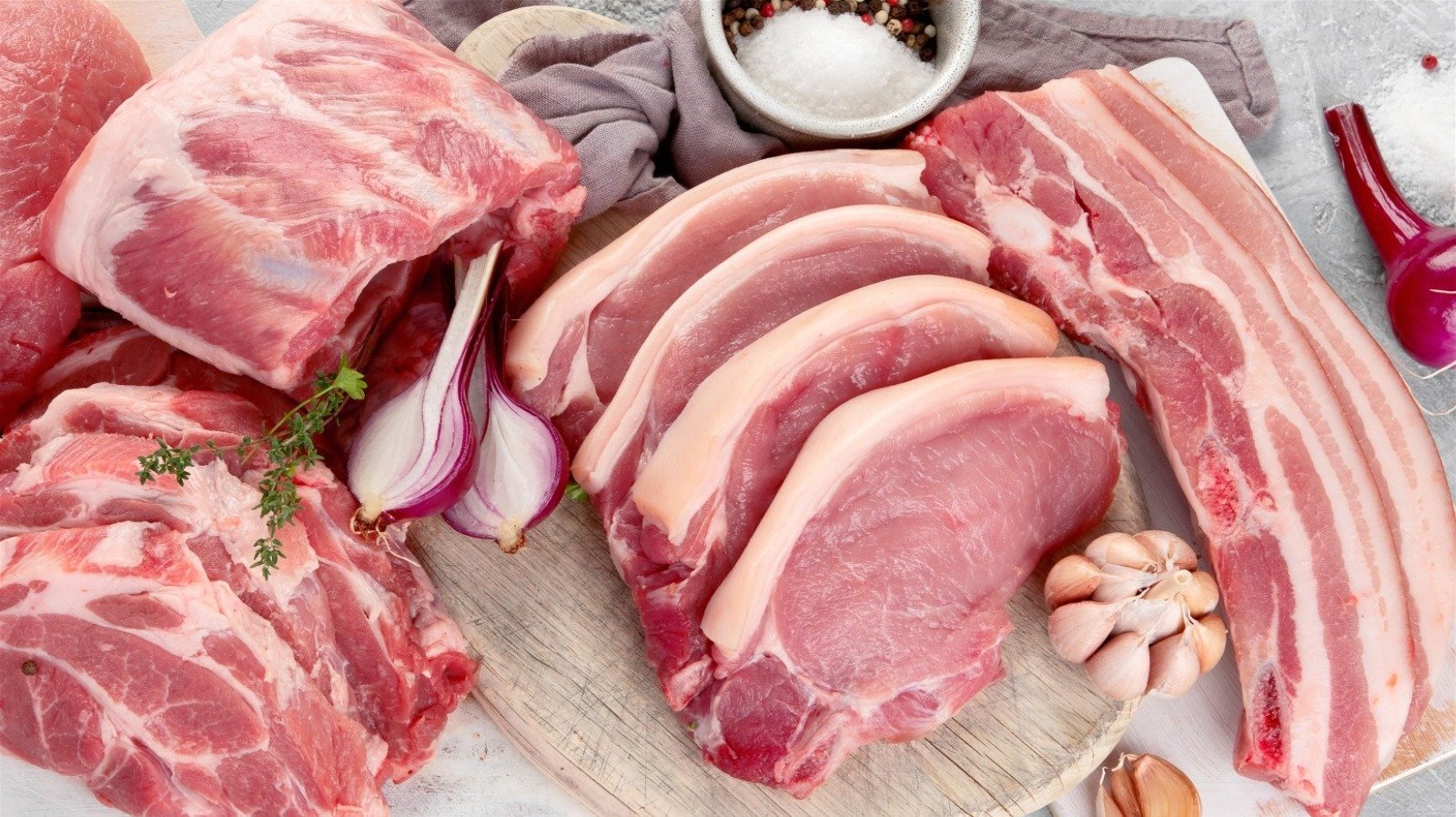
Alongside the feed supply intervention, the government is considering additional trade measures to protect domestic hog producers. These include higher import tariffs on pork, a temporary suspension of selected pork import clearances and the introduction of safeguard measures to counter pressure on local farmgate prices amid rising imports.
The policy approach highlights the challenge facing Philippine agricultural authorities: balancing affordable feed and meat supplies with the need to sustain domestic livestock production. While additional corn imports could ease immediate supply constraints, the longer-term competitiveness of the country's pig and poultry industries will depend on the stability of feed supplies, production economics and the effectiveness of domestic market protection measures.
The expanded import quota therefore represents more than a trade adjustment. It is an intervention in the broader livestock cost structure, with implications for feed manufacturers, animal producers and consumers across the Philippine meat value chain.