
Vietnam has expanded its permitted-use pesticide portfolio with the addition of 348 products, creating fresh opportunities for crop protection companies while offering a detailed snapshot of the technologies, active ingredients and crop segments attracting registration activity in one of Southeast Asia's most important agricultural markets.
The additions follow Circular No. 28/2026/TT-BNNMT, issued by Vietnam's Ministry of Agriculture and Environment on June 30, 2026. The Circular amends and supplements the country's lists of pesticides permitted and prohibited for use, with the updated provisions taking effect on August 15, according to the document published by the Plant Production and Protection Department.
The scale of the update is significant. The 348 newly added products span six categories: 149 fungicide trade names covering 114 active ingredients, 136 insecticide trade names covering 105 active ingredients, 53 herbicide trade names covering 34 active ingredients, seven plant growth regulator trade names covering four active ingredients, two termiticides and one molluscicide.
Fungicides and insecticides together account for 285 products, or 81.9 per cent of all additions, underscoring the continuing commercial focus on managing crop diseases and insect pressure. Herbicides account for another 15.2 per cent, while the remaining registrations are spread across plant growth regulation, termite control and mollusc management.
For international crop protection companies, distributors and suppliers tracking Vietnam, the update provides more than a list of approved trade names. It offers a window into where product development and registration activity are concentrated, from high-value fruit crops and coffee to rice, maize, soybean, peanut, black pepper and sugarcane.
Disease and insect control dominate the new registrations
The fungicide category is the largest in the update, with 149 trade names associated with 114 active ingredients. The registrations cover a wide range of disease targets, including anthracnose, rust, downy mildew, late blight, bacterial leaf blight, blast, sheath blight, wilt, powdery mildew, stem cracking and gummosis.
Coffee features prominently across the new registrations. Multiple fungicide products have been approved for managing rust and anthracnose, including formulations based on azoxystrobin, difenoconazole, tebuconazole, pyraclostrobin, hexaconazole and other active ingredients. Black pepper is another major target crop, with registrations addressing quick wilt and anthracnose.
The list also reflects continued activity in rice disease management. Syngenta Vietnam, for example, appears with Reflect Xtra 325SC, based on azoxystrobin and isopyrazam, for grain discoloration and unfilled grains in rice. Other registrations target rice blast, rice neck blast and bacterial leaf blight.
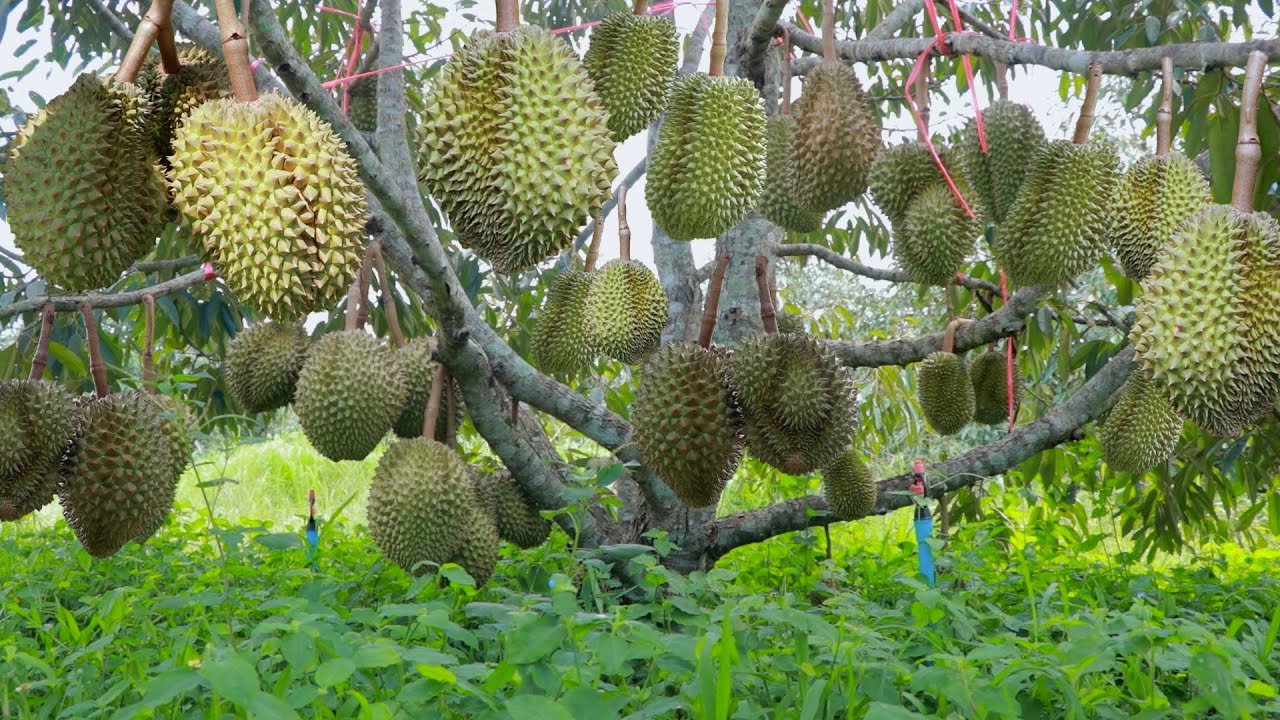
Fruit crops form another important registration cluster. The update includes fungicides targeting fruit rot in durian, stem cracking and gummosis in watermelon and durian, anthracnose in mango and coffee, scab in orange, powdery mildew in cucumber and downy mildew in crops including watermelon and lychee.
Among the higher-profile products listed are Syngenta's Miravis 200SC, containing pydiflumetofen, for powdery mildew in cucumber, and Filia 525SE, a propiconazole and tricyclazole formulation for rice neck blast. The document also lists Cevya 400SC from BASF Vietnam for stem cracking and gummosis in watermelon.
The update includes a growing variety of biological and naturally derived crop protection products as well. Registrations include Bacillus amyloliquefaciens products for diseases in tomato and cucumber, Fungous Proteoglycan formulations for wilt and bacterial leaf blight, and oligosaccharin-based products targeting diseases in tomato, soybean, chrysanthemum, tea and peanut.
The presence of these products alongside conventional chemical formulations illustrates the broadening technological mix entering Vietnam's permitted-use market.
Insecticide registrations target fall armyworm, coffee pests and high-value crops
Insecticides make up the second-largest category, with 136 trade names covering 105 active ingredients. The registrations reveal strong attention to fall armyworm management in maize. A number of products based on chlorantraniliprole, chlorfenapyr, emamectin benzoate, lufenuron, methoxyfenozide, spinetoram and combination formulations have been registered against the pest.
Products listed include chlorantraniliprole-based formulations targeting stem borers, diamondback moth and fall armyworm, while combinations such as chlorantraniliprole with chlorfenapyr, deltamethrin or emamectin benzoate also appear among the new registrations.
Coffee is another major focus. Several new products target mealybugs and other pests affecting coffee, including formulations containing acetamiprid, buprofezin, dinotefuran, pyriproxyfen and spirotetramat.
The update also contains registrations targeting red spider mites across crops such as durian, orange, cassava, soybean, rose and tea. Products based on bifenazate, etoxazole, fenpyroximate, spiromesifen and spirodiclofen are among those listed.
Biological insect control technologies also feature in the new list. The registrations include Bacillus thuringiensis, Beauveria bassiana, Metarhizium anisopliae and Spodoptera exigua nucleopolyhedrovirus. These products target pests ranging from beet armyworm and fruit borer to cabbage caterpillars and beet armyworm in watermelon.
The inclusion of both conventional and biological insecticides suggests that Vietnam's latest registration update spans a broad range of pest management approaches rather than being concentrated around a single chemistry or technology platform.
Herbicides signal strong activity in maize, rice, coffee and plantation crops
While fungicides and insecticides dominate the numbers, the herbicide category is also substantial, accounting for 53 newly listed trade names and 34 active ingredients.
Maize emerges as one of the most important target crops in the herbicide additions. Registrations include products based on bentazone, MCPA, diquat, halosulfuron-methyl, isoxaflutole, mesotrione, metolachlor, pendimethalin, tembotrione and topramezone.
Several products based on topramezone have been added for weed management in maize, while tembotrione and mesotrione formulations also feature in the list. Rice is another key area. The update includes Corteva Agriscience Vietnam's Novixid 32.5OD, containing florpyrauxifen-benzyl and penoxsulam, for weed management in direct-seeded rice. Syngenta Vietnam's Baloric 310EC, containing florpyrauxifen-benzyl and pretilachlor with fenclorim as a safener, is also listed for direct-seeded rice.
Coffee registrations include several glufosinate-ammonium products, while rubber appears as a target crop for products containing flumioxazin and glufosinate ammonium, as well as metsulfuron-methyl. Other herbicide registrations address weed management in peanut, soybean, sugarcane and mango. The breadth of active ingredients and crop targets suggests that the herbicide segment remains highly diversified, with registrations extending across cereals, field crops, plantation crops and high-value agricultural systems.
Plant growth regulators add another layer to the update
Beyond crop protection products designed to control pests, diseases and weeds, the Circular also adds seven plant growth regulator trade names covering four active ingredients. The registrations include several 24-epibrassinolide products for growth promotion in orange and mango. Products based on 28-homobrassinolide have been registered for growth promotion in tomato.
Flumetralin has been added for sucker control in tobacco, while paclobutrazol products are listed for growth regulation in sweet potato. Although small in numerical terms, the category demonstrates that the registration update extends beyond conventional crop protection and into products designed to influence crop growth and development.
Registrations extend beyond agriculture
The remaining additions include two termiticides and one molluscicide. The molluscicide entry is Galix 6GR, based on metaldehyde, registered for controlling small snails in roses. The termiticide registrations include Bifencid 5.0SC, based on bifenthrin, and Safe 200SC, based on chlorantraniliprole. Both are listed for termite control in buildings and construction structures.
Their inclusion broadens the significance of the Circular beyond agricultural fields, demonstrating that the permitted-use update also covers products intended for structural pest management.
A competitive map of Vietnam's crop protection market
The list brings together a wide range of applicants, from Vietnamese companies and regional suppliers to major multinational crop protection businesses. Among the companies appearing in the registrations are Syngenta Vietnam, Corteva Agriscience Vietnam, BASF Vietnam, UPL Vietnam and numerous domestic and international suppliers. Their products span both established and newer active ingredients and target crops ranging from rice and maize to coffee, durian, black pepper, soybean, peanut and sugarcane.
For industry participants, this makes the update a useful competitive intelligence document. Each entry links an active ingredient or technical pesticide to a trade name, target pest or disease, crop and applicant, allowing companies to track where competitors are building portfolios and which crop segments are attracting the greatest registration activity.
The heavy concentration of fungicides and insecticides points to the continued importance of disease and pest management in Vietnam's agricultural economy. At the same time, the extensive herbicide registrations, inclusion of biological products and expansion of plant growth regulator offerings indicate a market that remains open to multiple product categories and technology approaches.
Vietnam's latest regulatory update therefore represents more than an administrative expansion of a permitted-use list. With 348 products added across six categories, it provides one of the clearest recent indicators of the competitive landscape taking shape across the country's crop protection sector.
For companies seeking to understand Vietnam's registration environment, the Circular offers a detailed map of where product portfolios are expanding, which active ingredients are gaining commercial presence and how suppliers are positioning products around the country's most strategically important crops.
The full update is based on Appendix II of Circular No. 28/2026/TT-BNNMT, issued by Vietnam's Ministry of Agriculture and Environment, with the product list covering active ingredients, trade names, target pests or diseases, crops and applicants.