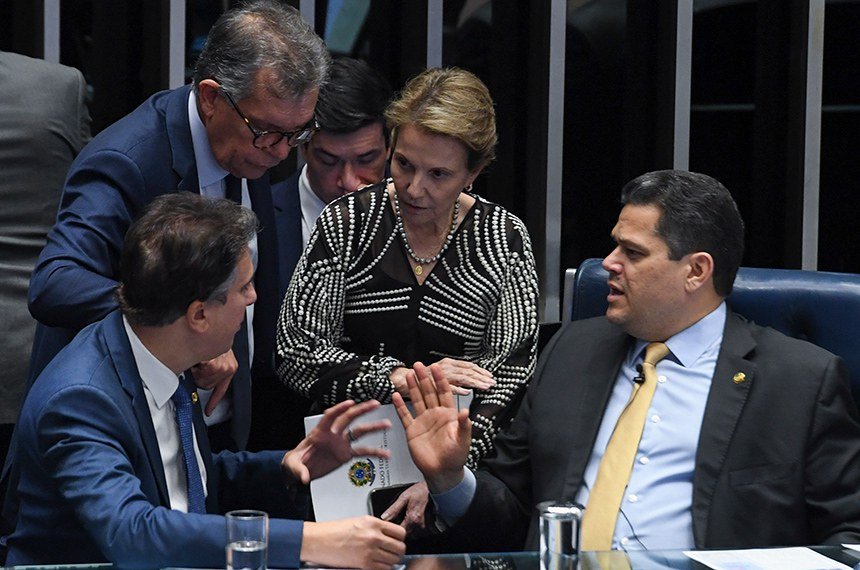
Viet Nam and Belarus are looking to deepen agricultural trade by removing market-access barriers and broadening the range of products moving between the two countries. The latest development comes as four Belarusian companies have secured approval to export boneless beef to Viet Nam, with the first shipment arriving in April 2026. The development was discussed during a meeting on August 25 between Dennis Nikalayeu, Trade Counsellor at the Embassy of Belarus in Viet Nam, and Pham Ngoc Mau, Deputy Director General of the Department of International Cooperation under Viet Nam's Ministry of Agriculture and Environment.
The meeting highlighted the growing opportunities created by the free trade agreement between Viet Nam and the Eurasian Economic Union (EAEU), while also underscoring the relatively small scale of bilateral agricultural trade.
First Belarusian Beef Shipments Enter Viet Nam
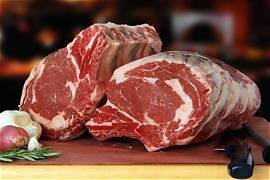
Belarus has made progress in securing access for its livestock products in Viet Nam. According to Nikalayeu, four Belarusian companies have now been licensed to export boneless beef to the Vietnamese market. The first shipment, comprising 22 tonnes of Belarusian beef, entered Viet Nam in April 2026 and received positive market feedback. Belarus is now preparing another shipment and plans to submit an additional list of eligible exporters to Viet Nam's Department of Livestock Production and Animal Health.
The move could mark the beginning of a broader expansion in Belarusian meat exports to Viet Nam. Belarus is also seeking approval to supply additional processed products, including canned beef and other processed meat. For Belarusian exporters, access to Viet Nam provides an opportunity to build a presence in one of Southeast Asia's major food markets. For Viet Nam, expanding imports from Belarus could diversify sources of meat and agricultural inputs while strengthening trade ties under the EAEU framework.
Agricultural Trade Still Below Its Potential
Despite the progress on market access, agricultural trade between the two countries remains relatively limited. Mau said agricultural, forestry and fishery sectors in Viet Nam and Belarus have considerable complementarity, but bilateral trade has not yet reflected that potential. Trade in these products was worth approximately $10 million in 2025, down sharply from previous years and well below the peak of around $90 million recorded in 2021.
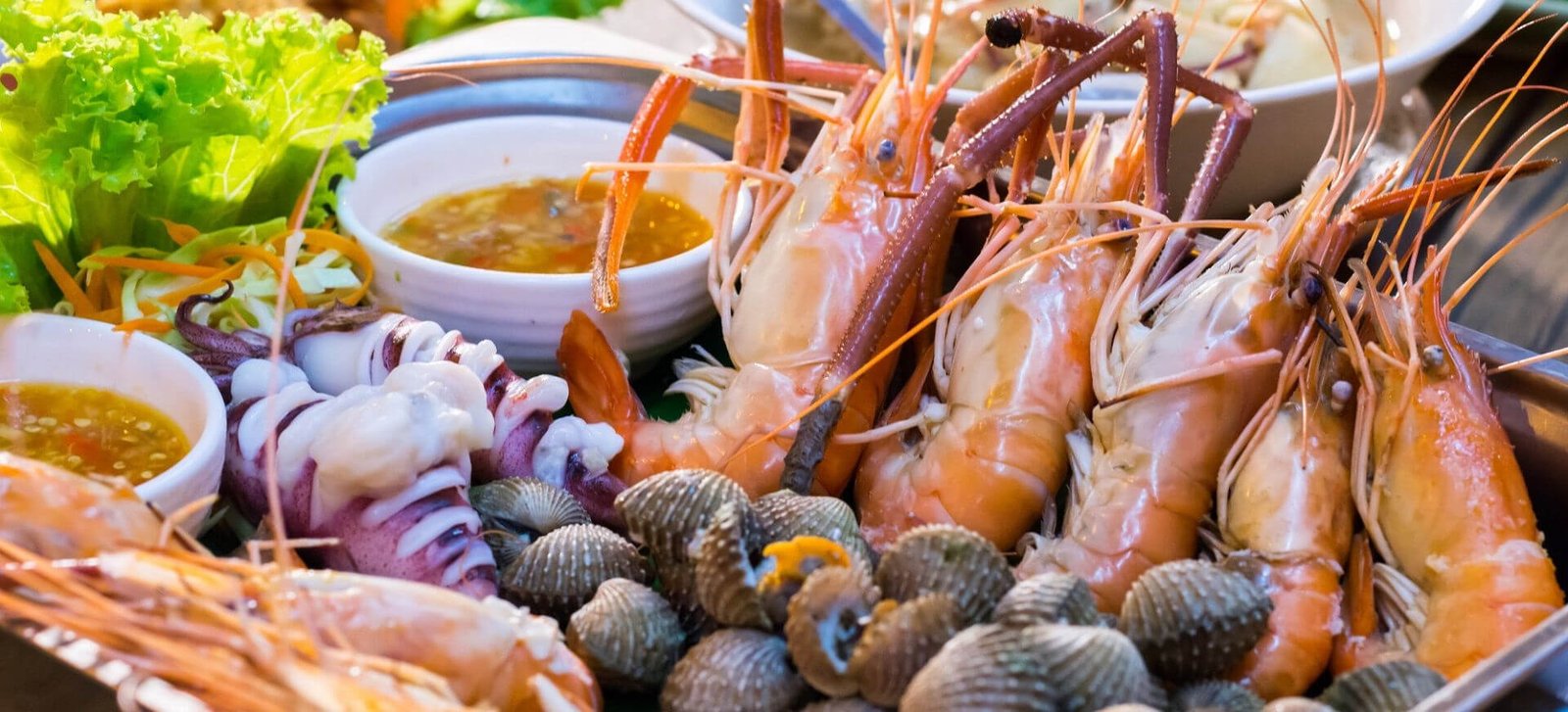
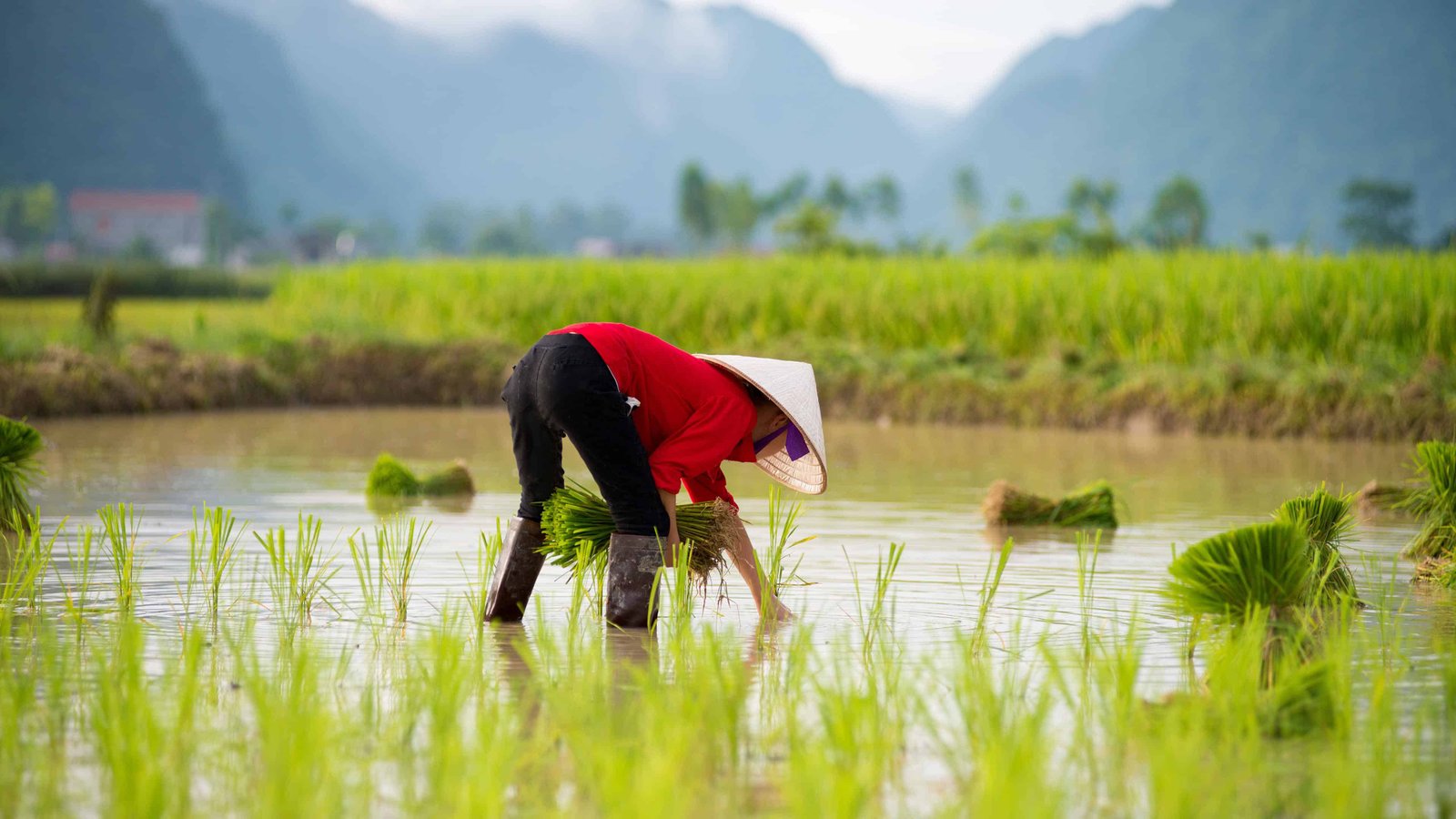
Viet Nam already exports seafood, rice, cassava, cashew nuts, tea and rubber to Belarus. Tropical fruits, vegetables and coffee are among the products that could offer additional opportunities. The trade relationship also works in the opposite direction. Viet Nam primarily imports fertilisers from Belarus and has begun increasing purchases of livestock products, particularly beef. The expansion of market access has therefore become a central focus for both governments as they seek to rebuild agricultural trade and create more predictable channels for businesses.
Hanoi Seeks Greater Access for Vietnamese Seafood
While Viet Nam has facilitated access for Belarusian meat, its government is seeking reciprocal progress for Vietnamese exporters. Mau called on Belarus to continue supporting the expansion of access for Vietnamese agricultural and seafood products within the EAEU. Viet Nam is particularly seeking Belarusian support in discussions with Russia and other EAEU members to increase the number of approved Vietnamese seafood exporters.
The imbalance is significant. The number of Vietnamese companies authorised to export meat and seafood to the EAEU is currently only about one-sixth of the number of Belarusian companies authorised to export to Viet Nam. Vietnamese officials see this gap as evidence that there is considerable scope to address technical requirements, speed up approvals and create more balanced trade flows. The issue is increasingly important as Vietnamese seafood producers look to diversify their export markets and gain access to larger consumer bases beyond traditional destinations.
Pork and Poultry Remain Market-Access Challenges
The two sides also discussed unresolved issues affecting Belarusian pork and poultry exports to Viet Nam. Nikalayeu said Belarusian companies continue to face challenges during the market-access process, including lengthy reviews of technical dossiers. He called for closer cooperation between authorities and businesses so that exporters can prepare complete documentation that meets Vietnamese regulatory requirements.
For poultry meat, Belarus has already provided additional information requested by Viet Nam's animal health authorities. The Vietnamese side is reviewing the submitted dossier and is expected to issue a formal response. The two countries are also exchanging additional information as part of the import risk assessment for Belarusian pork. Meanwhile, cooperation on poultry meat and bone meal has been underway since 2025. Belarus is seeking to build on that work by expanding the number of products eligible for trade with Viet Nam.
FTA Creates Platform for Wider Trade
The discussions reflect a broader effort to translate the Viet Nam-EAEU Free Trade Agreement into greater commercial activity in agriculture. Both countries have complementary strengths. Viet Nam has established export capabilities in seafood, rice, coffee, tropical agricultural products and other food commodities, while Belarus has opportunities in livestock products, fertilisers and processed foods.
The challenge is increasingly less about identifying potential products and more about completing regulatory approvals, meeting technical requirements and reducing the time required to open markets. For exporters, faster completion of import-risk assessments and approval procedures could make a meaningful difference in determining whether potential trade opportunities become actual shipments.
Agricultural Working Group to Review Progress
The two sides are considering holding the third meeting of the Agricultural Working Group in late 2026. The meeting is expected to provide a platform for reviewing progress on existing areas of cooperation, resolving outstanding market-access issues and identifying priorities for the next phase of bilateral agricultural trade.
The arrival of the first Belarusian beef shipment and the approval of four Belarusian exporters provide an early indication of what expanded cooperation could look like. The next test will be whether similar progress can be achieved for Vietnamese seafood and other agricultural products seeking access to Belarus and the wider EAEU market. For both countries, the opportunity is clear: turning regulatory cooperation into sustained two-way trade could help revive agricultural commerce from its current relatively modest base and create a more diversified trading relationship.