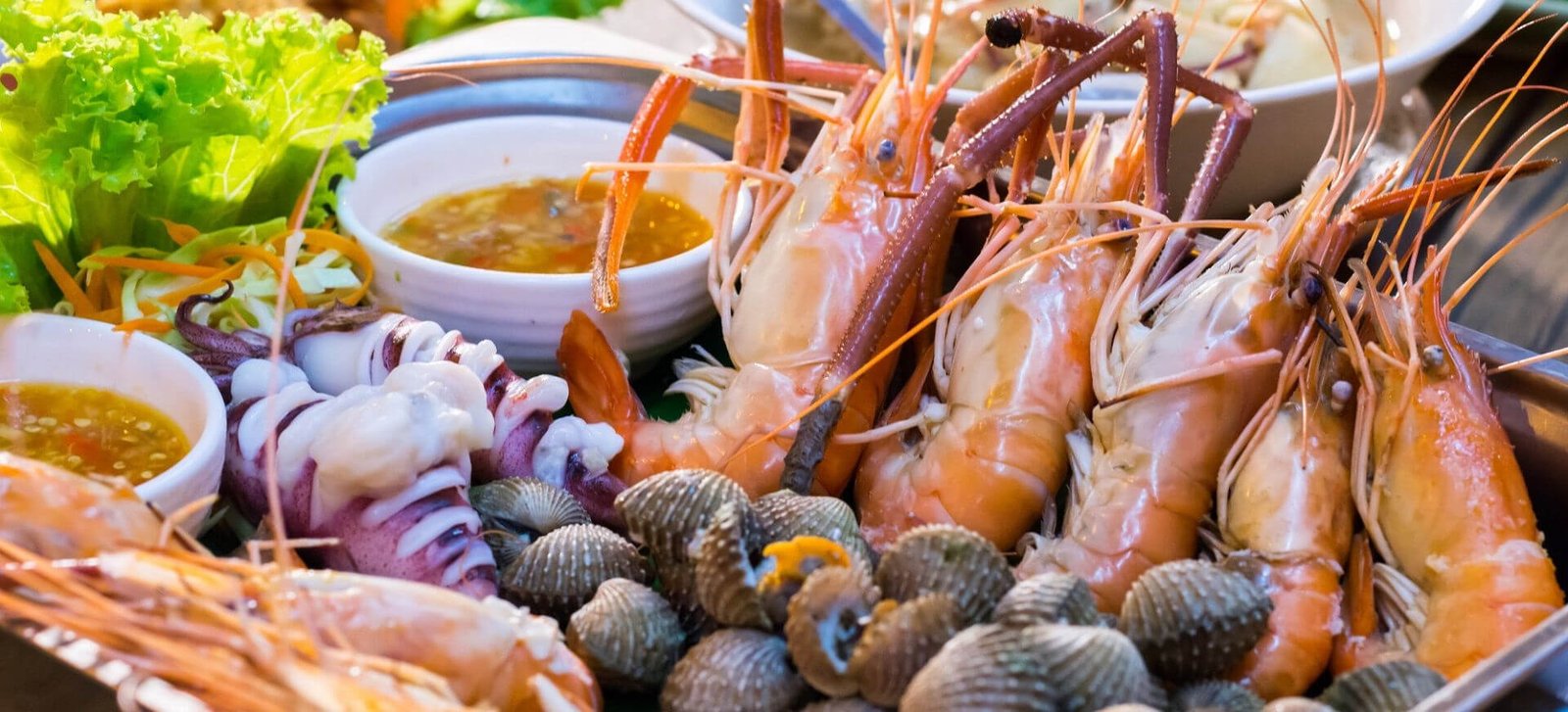
Norway may be one of the world's leading seafood exporters, but it remains an important import market for species that are not readily available in Nordic waters. For Vietnamese exporters, that creates an opportunity to expand sales—provided they can meet increasingly demanding standards on sustainability, traceability and product origin.
Data from the International Trade Center, cited by Viet Nam's Agency of Foreign Trade, shows that Norway imported 82,900 tonnes of seafood worth $399.23 million in the first half of 2026. While import volumes fell 36 per cent from a year earlier, the value of those imports rose 12.4 per cent, pointing to a shift toward higher-value seafood purchases.
Viet Nam was among the suppliers that increased sales to Norway. Norwegian seafood imports from Viet Nam rose 2.6 per cent in volume and 3.5 per cent in value during the first six months of 2026. Viet Nam is now Norway's seventh-largest seafood supplier, accounting for 2.67 per cent of import volumes and 5.04 per cent of the value of the country's seafood imports.
A Small Market With High-Value Potential
With a population of about 5.6 million, Norway is not among the world's largest consumer markets. But its high purchasing power and seafood consumption make it strategically important for exporters targeting the Nordic region. Seafood consumption in Norway stands at around 18 kg per person annually, while the country's total seafood imports generally range between $450 million and $500 million a year.
Imports help fill gaps in Norway's domestic seafood supply, particularly for species not harvested or farmed locally, while also supplying restaurants, foodservice companies and supermarket chains. For Viet Nam, the opportunity lies in increasing its share of this high-value import market. But Norwegian consumers are placing growing importance on sustainability and product traceability. More than 80 per cent of consumers prioritise sustainably certified seafood, making internationally recognised standards such as Aquaculture Stewardship Council (ASC) certification for farmed products and Marine Stewardship Council (MSC) certification for wild-caught seafood increasingly important for market access.
Shrimp Remains Viet Nam's Largest Export to Norway
According to Viet Nam Customs data, Vietnamese seafood exports to Norway reached approximately 1,200 tonnes worth $9.3 million in the first seven months of 2026. The figures show a 14.5 per cent decline in export volume, but a 17.2 per cent increase in value compared with the same period in 2025. The divergence suggests that Vietnamese exporters are achieving higher average prices in the Norwegian market despite shipping lower overall volumes.
Frozen shrimp remains the largest Vietnamese seafood category exported to Norway. Shipments reached 735.3 tonnes valued at $5.4 million, accounting for approximately 59 per cent of both total export volume and value. Shrimp's dominant position also suggests significant room for further expansion as Vietnamese exporters look to strengthen their presence in the Norwegian retail and foodservice sectors.
Other Seafood Categories Post Strong Gains
Several other Vietnamese seafood products recorded rapid growth, albeit from a smaller base. Frozen crab exports increased 56 per cent in volume and 61.9 per cent in value, while frozen pangasius shipments rose 67.2 per cent in volume and 50.5 per cent in value. Frozen tuna recorded one of the sharpest increases, with export volume climbing 114.5 per cent and value surging 693.5 per cent.
Frozen catfish also posted exceptional growth, with shipments increasing 604.8 per cent in volume and 552.6 per cent in value. The gains indicate that Viet Nam's opportunity in Norway may extend beyond shrimp, particularly as importers seek a broader range of species and value-added seafood products.
Higher Prices Offset Lower Volumes
The overall increase in export value despite lower shipment volumes reflects a rise in the average prices received by Vietnamese exporters. Frozen cod recorded an average export price of US$13.86 per kg, up 107.4 per cent from the same period a year earlier.
The average price of frozen crab reached $13.27 per kg, an increase of 3.8 per cent. Frozen squid averaged $5.92 per kg, up 8.6 per cent, while frozen mackerel reached$4.36 per kg, rising 41.3 per cent year on year. The trend highlights an increasingly important opportunity for Vietnamese seafood exporters: growth in Norway may not necessarily depend on sending larger volumes. Improving product mix, targeting premium categories and meeting sustainability requirements could help exporters generate higher returns from the market.
Christmas Demand Could Support Year-End Exports
The outlook for the remainder of 2026 remains positive, particularly as Norwegian retailers and food businesses build inventories ahead of the Christmas and New Year season. Year-end festive demand traditionally drives higher food purchases and stockpiling, potentially creating additional opportunities for Vietnamese seafood exporters.
The bigger challenge will be maintaining competitiveness in a market where consumers and buyers are demanding greater transparency around environmental impact, sourcing and sustainability. For Viet Nam, Norway represents a relatively small but potentially lucrative market. Shrimp remains the anchor product, but the rapid growth in categories such as tuna, pangasius, crab and catfish points to a wider opportunity. As Norwegian seafood imports increasingly favour higher-value products, Viet Nam's next phase of growth may depend less on volume and more on its ability to deliver certified, traceable and premium seafood to one of Europe's most quality-conscious markets.