C.P. Vietnam Corporation has exported Vietnam’s first shipment of processed chicken to South Korea, opening a new market for the country’s poultry industry after more than five years of preparation and a detailed regulatory approval process.
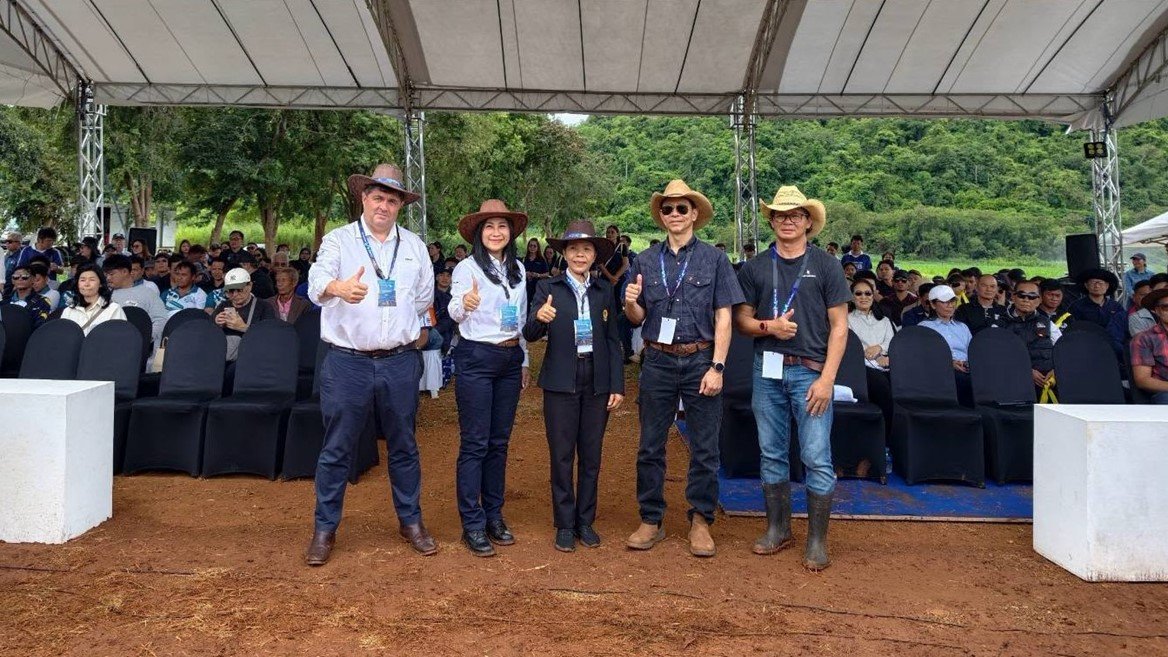
The shipment was announced on August 25 at the CPV Food Binh Phuoc integrated chicken processing complex. It is the first time processed chicken produced in Vietnam has entered the South Korean market, following the two countries’ decision earlier this year to open their markets to processed chicken products. C.P. Vietnam is the first Vietnamese company to meet the requirements for exports to South Korea.
The development is significant not only for C.P. Vietnam but also for Vietnam’s ambitions to increase the value of its livestock and food-processing exports. South Korea is a highly regulated food market, requiring exporters to demonstrate strict controls over animal health, food safety, processing, traceability and transportation.
Duong Tat Thang, Director of the Department of Livestock Production and Animal Health under Vietnam’s Ministry of Agriculture and Environment, said the opening of the two markets to processed chicken represents an important milestone in agricultural cooperation between Vietnam and South Korea. He expressed hope that C.P. Vietnam’s entry would encourage more eligible Vietnamese businesses to qualify for the market and contribute to higher export value for the livestock and food-processing industries.
For C.P. Vietnam, the shipment is the result of a substantial investment in integrated poultry production. The company has invested approximately $250 million in the CPV Food Binh Phuoc complex, which operates through a connected Feed-Farm-Food system covering an animal feed mill, hatchery, farming system, slaughtering facility and processing plant.
The integrated structure gives C.P. Vietnam control over multiple stages of production and allows it to monitor quality, food safety and product origins from the beginning of the supply chain through to the finished product. That level of control has become increasingly important as international food markets demand more detailed information about where products come from and how they are produced.
The company’s investment also reflects a broader shift in Vietnam’s agricultural export strategy. Moving from raw or lightly processed commodities towards processed food products can provide companies with greater opportunities to capture value within the country. But doing so requires investment in production systems, processing capacity and compliance with the requirements of individual export markets.
South Korea’s approval process provided a particularly demanding test.
C.P. Vietnam underwent an eight-step assessment by South Korea’s Animal and Plant Quarantine Agency and Ministry of Food and Drug Safety. The company was required to complete two detailed sets of questionnaires, each approximately 1,000 pages long, covering virtually every part of its production chain.
The assessments examined farming areas and disease status, veterinary inspections before and after slaughter, processing operations, heat treatment, packaging and transportation. The process was designed to establish that the company could maintain the required standards throughout its entire operation rather than simply produce a compliant finished product.
South Korean inspection teams also carried out an extensive on-site assessment between July and December 2025. The teams examined the integrated system from the feed mill and farms through to the processing facility.
Among the requirements, poultry must be healthy and pass pre- and post-slaughter inspections carried out by competent veterinary authorities. The processing system must also meet specific heat-treatment conditions, with the core temperature of the product exceeding 80°C for at least one minute.
The physical layout of the processing facility was another important consideration. Areas before and after heat treatment must be separated, with separate personnel, entrances, changing rooms and auxiliary areas to reduce the possibility of cross-contamination.
The scale of the assessment illustrates the cost and effort involved in gaining access to highly regulated food markets. For exporters, meeting international standards is not simply a matter of upgrading the final processing line. It requires systems that can demonstrate control across the entire chain and maintain those standards consistently.
Vietnam and South Korea announced the opening of their markets to processed chicken products on April 22. Initially, two companies from each country were authorised to export processed chicken products to the other market.
C.P. Vietnam became the first Vietnamese company to complete the approval requirements for South Korea, following years of preparation linked to the development and operation of the CPV Food Binh Phuoc complex.
The approval process also involved close cooperation between authorities in both countries. C.P. Vietnam received guidance from Vietnam’s Ministry of Agriculture and Environment, particularly the Department of Livestock Production and Animal Health, on technical standards, quarantine requirements and export procedures. South Korean authorities participated in the assessment and inspection process in Vietnam.
Pawalit Ua-amornwanit, CEO of C.P. Vietnam, thanked the authorities, technical agencies, local administrations, customers and partners involved in the process.
The first shipment gives C.P. Vietnam another market for its processed chicken products. The company’s products are now available in eight international markets, including Japan, Singapore, Hong Kong and Russia.
South Korea could become an important addition to that export network because the market has stringent requirements and a strong emphasis on food quality and safety. Successfully meeting those requirements can also provide an indication of whether a producer has the systems necessary to compete in other tightly regulated markets.
For C.P. Vietnam, the company sees the shipment as a reason to continue investing in technology and processing rather than an endpoint.
Pawalit said the export would encourage the company to strengthen its deep-processing capabilities, increase product value and become more deeply involved in the global food supply chain. He also described the shipment as a reflection of the company’s commitment to producing food that meets increasingly demanding expectations among consumers in Vietnam and overseas.
That strategy is supported by the company’s existing production network in Vietnam. C.P. Vietnam operates 12 animal feed mills, including four aquaculture feed mills, two pork slaughterhouses and six food-processing plants. It also maintains a network of farms across provinces and cities throughout the country, with the Binh Phuoc facility serving as one of its major integrated chicken processing operations for export.
The first processed chicken shipment to South Korea also has significance beyond C.P. Vietnam. Vietnam has been seeking to expand agricultural exports while increasing the share of processed and higher-value products in its export basket. Access to markets with strict technical requirements can help demonstrate that domestic producers are capable of competing beyond traditional commodity trade.
The immediate challenge will be turning market access into regular shipments and, more importantly, encouraging additional Vietnamese producers to make the investments needed to qualify.