An herbicide first introduced decades ago is attracting renewed attention in Illinois as researchers look for effective ways to manage waterhemp populations that have developed resistance to nearly every post-emergence herbicide available to soybean and corn growers.
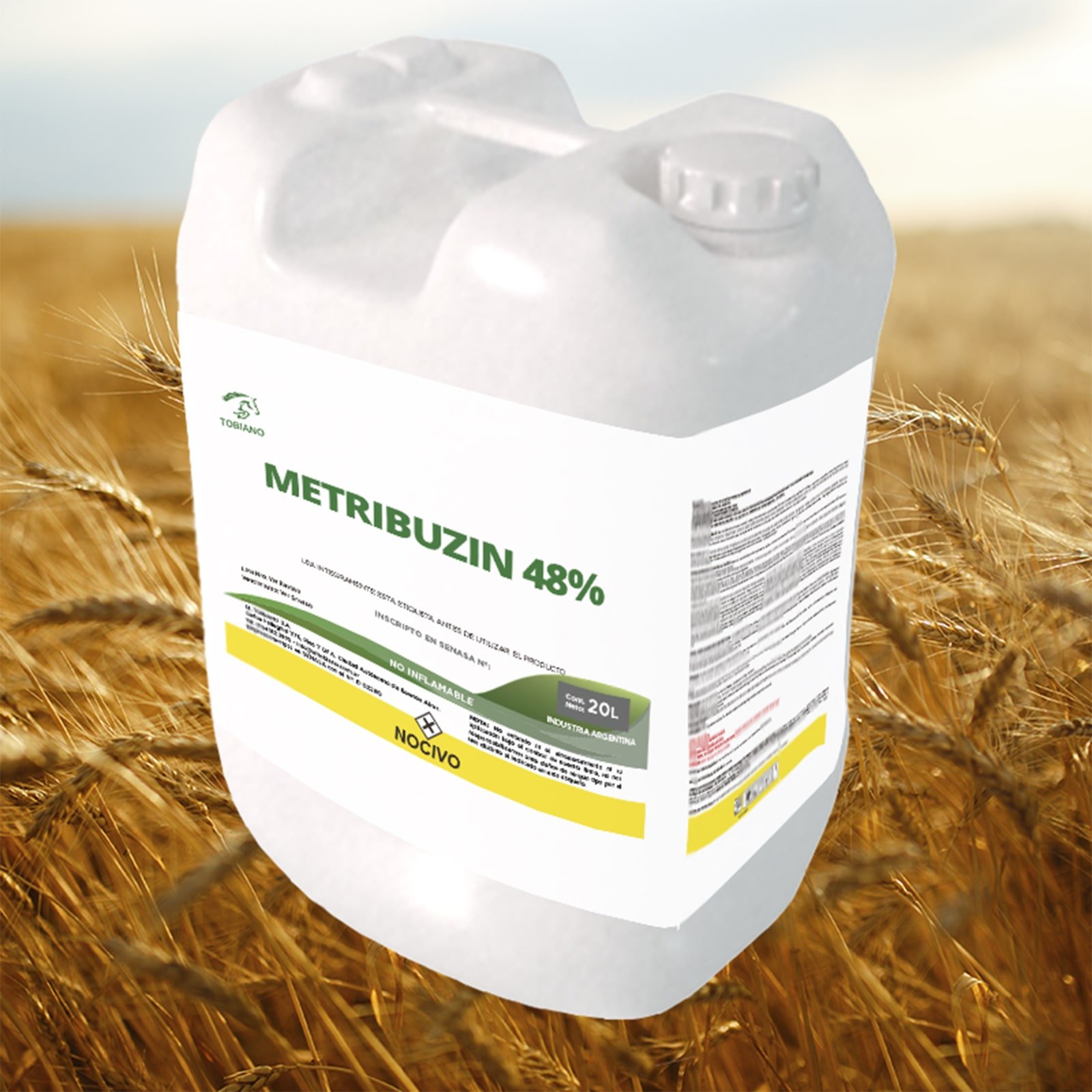
Researchers at the University of Illinois say metribuzin, a Group 5 herbicide, is showing encouraging performance against many waterhemp populations exhibiting metabolic resistance—a growing challenge in modern weed management where plants rapidly detoxify herbicides before they can take effect.
Unlike atrazine, which is increasingly compromised by metabolic resistance, metribuzin's different chemical composition appears to allow it to remain effective against several resistant waterhemp populations. According to university researchers, this makes the herbicide a valuable option as growers face shrinking chemical control choices.
Metribuzin gradually fell out of favour during the 1980s and 1990s because of concerns over crop injury and the widespread adoption of newer residual herbicides. However, improvements in application technology and the availability of soybean varieties with better tolerance are prompting agronomists to reconsider its role in integrated weed management programmes.
Researchers caution that metribuzin should not be viewed as a standalone solution. Instead, they recommend incorporating it into diversified herbicide programmes alongside products from other modes of action to broaden weed control and reduce the risk of further resistance development.
Application decisions should also account for field conditions. University recommendations advise adjusting application rates based on soil texture and organic matter while avoiding coarse-textured soils containing less than 2 per cent organic matter and fields with soil pH levels above 6.8, where the risk of crop injury increases.
The renewed interest comes as the effectiveness of other residual herbicides continues to decline. Recent University of Illinois surveys covering waterhemp populations from 84 counties found that nearly half exhibited resistance or substantially reduced sensitivity to Group 15 herbicides, raising concerns about the long-term durability of existing weed control programmes.
Field trials further highlighted metribuzin's potential. In university corn research plots, the herbicide delivered approximately 95 per cent control of waterhemp four weeks after application, compared with roughly 30 per cent control achieved by atrazine under similar conditions. While researchers observed modest crop injury ranging from 5 per cent to 10 per cent , they concluded that the herbicide offers meaningful value when integrated into broader resistance management strategies.
As herbicide resistance becomes increasingly complex across the US Corn Belt, researchers believe diversified weed management programmes combining multiple herbicide modes of action, agronomic best practices and careful stewardship will be essential to maintaining effective control of troublesome weeds such as waterhemp.