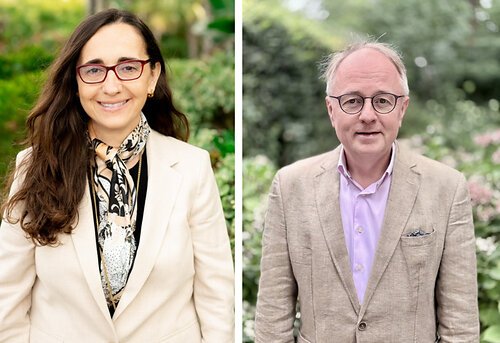
Switch Bioworks is strengthening its scientific and commercial leadership as it moves its engineered microbial technology closer to agricultural deployment, appointing Gordana M. Djordjevic, Ph.D., PMP, as Chief Scientific Officer and agricultural biologicals veteran Eric Bartels, Ph.D., to its Board of Advisors.
The appointments come at an important stage for the deep-tech company, which is developing engineered microbes designed to produce nitrogen directly on plant roots. Switch is now advancing its technology through field trials in the US Midwest after securing USDA and EPA authorisation for first-in-class trials of its engineered microbial fertilizer.
The company was founded around a proposition aimed at one of agriculture's most persistent challenges: how to provide crops with nitrogen while reducing exposure to the energy requirements, costs and supply-chain vulnerabilities associated with conventional fertilizer production.
Most nitrogen fertilizer is manufactured using the Haber-Bosch process, an energy-intensive industrial pathway that converts atmospheric nitrogen into ammonia. The economics of that system are closely tied to energy markets, particularly natural gas, leaving fertilizer producers and farmers exposed to fluctuations in energy prices as well as geopolitical and logistical disruptions.
Switch Bioworks is pursuing a fundamentally different approach. Its engineered microbes, initially developed at Stanford, are designed to establish themselves on plant roots before activating nitrogen production. The company's genetic-switch platform is intended to separate microbial growth from microbial production, allowing the organisms to establish themselves before switching on the desired biological function.
That programming is central to Switch's technology proposition. Rather than asking engineered microbes to perform a production function continuously, the system is designed to control when and where the microbes become active. While nitrogen fixation is the company's first commercial target, Switch believes the underlying genetic-switch technology could ultimately be applied to other areas of biological manufacturing.
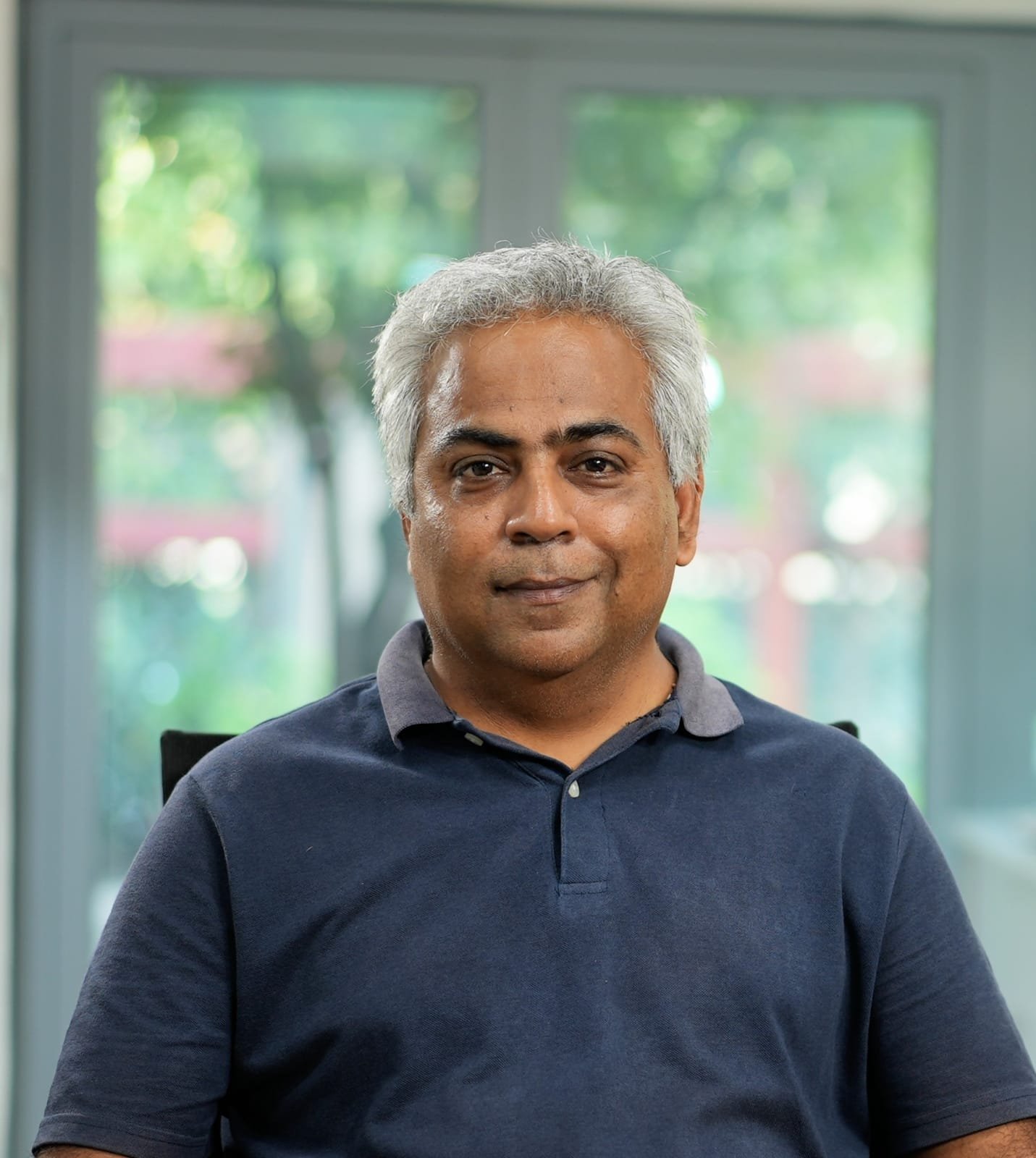
Djordjevic will lead Switch's scientific and research and development organisation, with responsibility for advancing its product pipeline from laboratory development into greenhouse and field testing. She will also focus on expanding the company's multidisciplinary R&D organisation and advancing its intellectual property and regulatory strategies.
Her appointment brings extensive experience in scaling biotechnology programmes and translating laboratory science into commercially relevant products.
Before joining Switch, Djordjevic served as co-founder and Chief Scientific Officer of Arsenale Bioyards, where she helped establish the company's R&D infrastructure, intellectual property portfolio and early commercial pipelines.
She previously served as Vice President of R&D at Perfect Day, where she led multidisciplinary teams working across strain engineering, high-throughput screening, fermentation, automation, bioanalytics and data science. Her work included improving R&D efficiency and reducing cost of goods. She has also held senior positions at Zymergen, Synthetic Genomics and BP Biofuels and has co-invented multiple patents.
Djordjevic said Switch's technology addresses a fundamental challenge in engineered biomanufacturing and that fertilizer provides the company's first opportunity to demonstrate its potential.
“Switch has developed a compelling solution to one of the core constraints in engineered biomanufacturing,” said Djordjevic. “Fertilizer is where we're proving it first. The opportunity now is to scale that advantage, from strong growroom results to consistent performance in the field, and ultimately across every application this platform can reach.”
That transition—from controlled environments to commercial fields—will be one of the most important tests for Switch. Biological technologies can perform strongly under controlled conditions, but agricultural deployment introduces substantially greater variability. Soil characteristics, weather, crop genetics, microbial competition and farm management practices can all influence microbial establishment and performance.
Switch's field trials are therefore designed to examine whether its engineered organisms can establish and produce nitrogen consistently under real agricultural conditions.
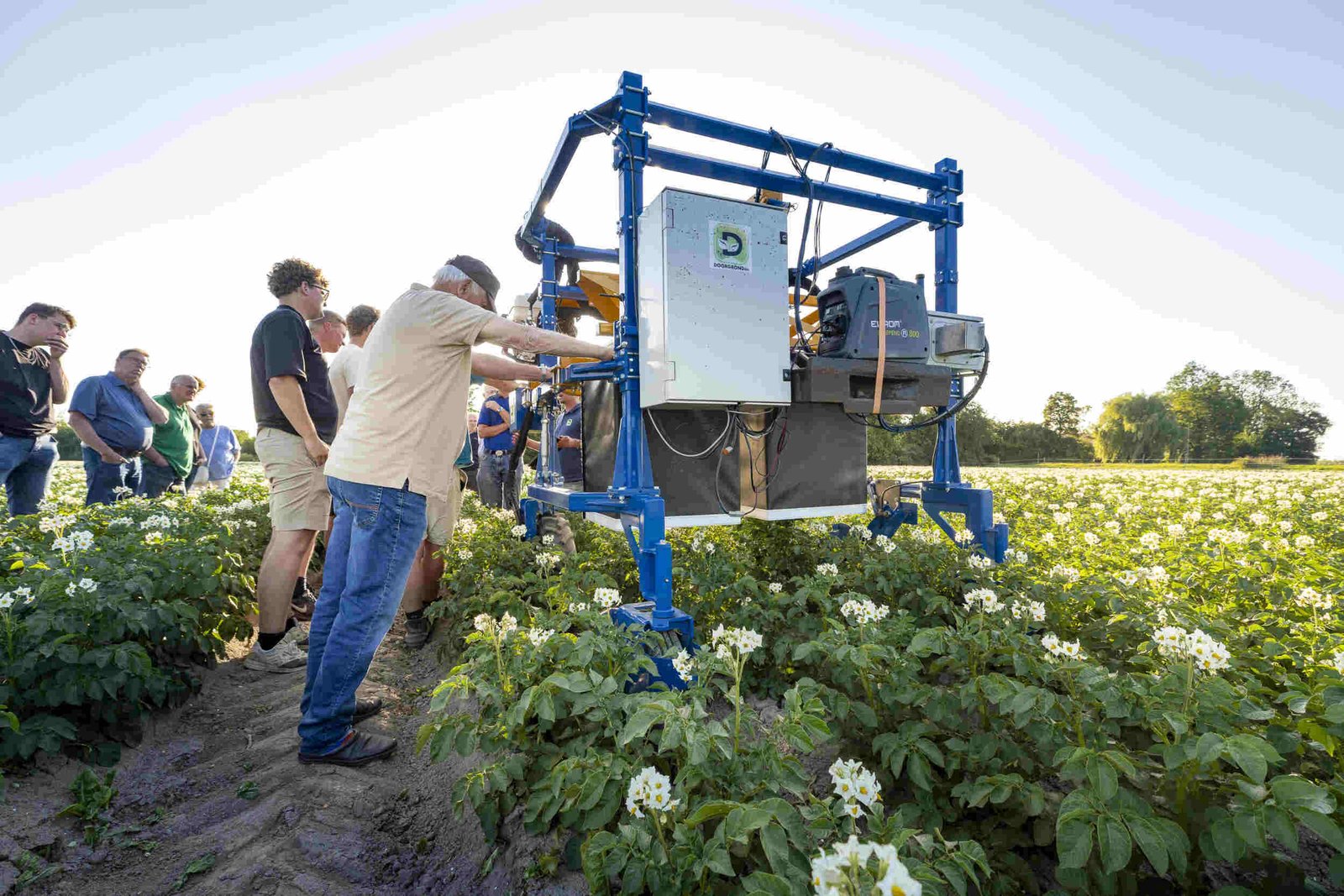
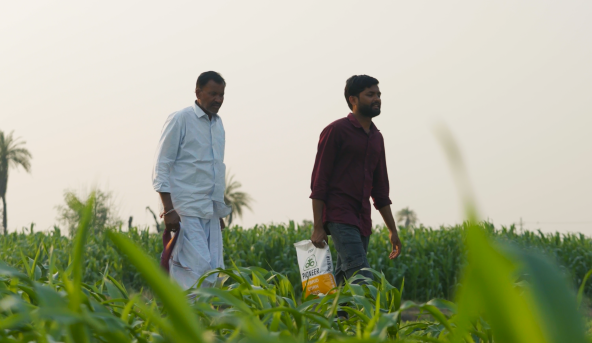
The company has received USDA and EPA authorisation for its first field trials, which are currently underway across multiple agricultural sites in the US Midwest. The trials are being conducted on corn and are examining two critical elements of the technology: whether the microbes successfully establish on plant roots and whether the genetic switch can activate nitrogen production under field conditions.
The results could be significant for the company's commercialisation pathway. A microbial nitrogen technology must ultimately demonstrate not only biological activity but also consistency, scalability, agronomic performance and regulatory viability before it can become a practical alternative or complement to conventional nitrogen fertilizers.
Switch is simultaneously strengthening its commercial and strategic capabilities through the appointment of Eric Bartels to its Board of Advisors.
Bartels brings more than three decades of experience spanning agricultural biologicals, R&D, strategy and commercialisation. He held leadership positions at Syngenta before establishing and leading McKinsey's agriculture and food chain practice.
More recently, he served as Global Head of Biological Products and Chief Science Officer at Indigo, where he oversaw the biologicals business from discovery and product development through commercial launch and revenue responsibility.
Bartels currently advises McKinsey, agricultural technology startups and German federal innovation agencies. His experience provides Switch with expertise extending beyond technology development into partnerships, commercial strategy and market execution.
“Switch Bioworks marries deep biological insight with a strong understanding of what it will take for microbial products to succeed in the market,” said Bartels. “That combination is rare at this stage. I look forward to helping this team get its science out of the lab and into the field.”
For Switch, the combination of Djordjevic's R&D expertise and Bartels' commercial and biologicals experience reflects the company's transition into a more execution-focused phase.
Founder and CEO Dr. Tim Schnabel said the two appointments would strengthen Switch's ability to develop the technology while building the capabilities required to take it towards commercialisation.
“Gordana and Eric bring complementary experience at a crucial point in Switch's development. Their leadership strengthens our ability to execute and expand the potential of our genetic-switch platform as we advance toward commercialization,” Schnabel said.
The company's proposition comes against a backdrop of increasing scrutiny of the conventional nitrogen fertilizer system. Nitrogen is indispensable to modern crop production, but its manufacture carries a significant energy requirement. Fertilizer markets have also demonstrated their vulnerability to energy shocks, geopolitical tensions and disruptions in international supply chains.
Biological approaches to nitrogen supply have consequently attracted growing interest from agricultural technology companies and investors. Microbial products could potentially offer farmers another source of crop nutrition while reducing dependence on industrially manufactured nitrogen.
However, the commercial opportunity also comes with a demanding technical challenge. Biological nitrogen production must deliver sufficient nitrogen to support crop productivity at a commercially meaningful scale. It must also operate consistently across different soils, climates and farming systems.
This is where Switch's genetic-switch architecture is intended to provide a competitive advantage. By programming microbes to establish first and activate production later, the company is attempting to address the tension between microbial survival and biological output.
The concept also gives the technology potential applications beyond agriculture. Switch describes its genetic-switch platform as a broader approach to controlling engineered microbes, with the ability to regulate when and where biological functions are activated. Nitrogen fertilizer is therefore being positioned as the first application through which the company can validate the platform.
The immediate commercial focus, however, remains firmly agricultural. Corn field trials represent a critical step in determining whether laboratory and growroom performance can translate into the complexity of commercial farming.
Switch's intellectual property position is another component of its commercialisation strategy. The company's genetic-switch technology is covered by seven patent families, providing an intellectual property foundation as it moves towards wider deployment.
The coming stages will ultimately determine whether Switch can move beyond demonstrating microbial activity to establishing a viable agricultural business. That will require evidence that the technology can deliver reliable nitrogen production, perform consistently under field conditions and fit into farmers' existing production systems.
The company is betting that the ability to program microbes differently from conventional biological products can help unlock that opportunity.
For agriculture, the significance extends beyond a single microbial fertilizer product. If engineered microorganisms can reliably establish on plant roots and produce nitrogen in response to programmed biological signals, the technology could represent a different model for delivering crop nutrients—one in which biological systems are designed to manufacture inputs closer to where crops need them.
Switch is now attempting to prove that proposition in the field.
With Djordjevic taking charge of the scientific organisation, Bartels adding decades of biologicals and commercialisation experience, and authorised field trials underway across the US Midwest, the company is entering the phase where laboratory innovation must confront agricultural reality.
The outcome will determine whether Switch's genetic-switch technology can become more than an intriguing biotechnology platform—and whether microbial nitrogen production can progress from a promising concept to a commercially viable tool for modern agriculture.