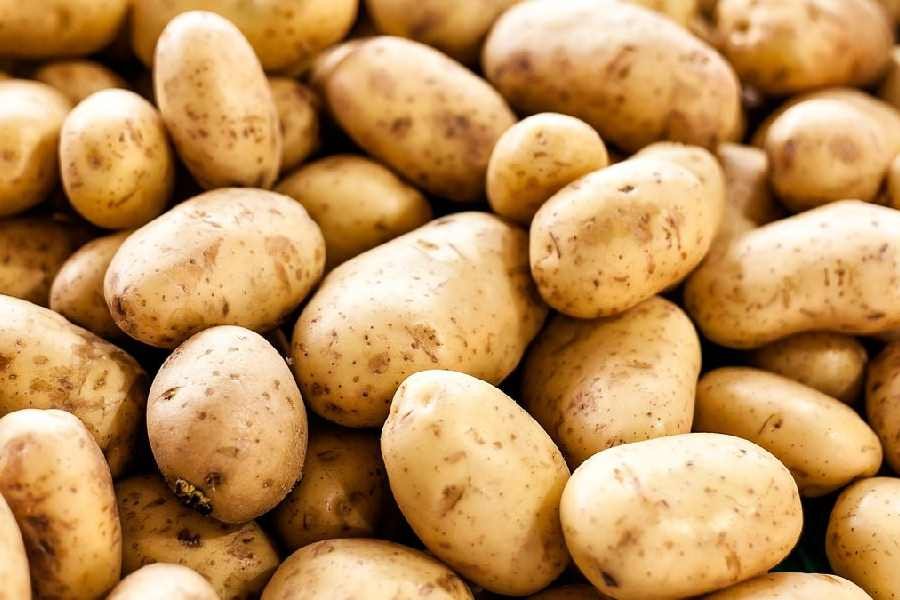
Japan is taking another step toward potentially reopening its market to fresh potatoes from the United States, setting up a regulatory process that could eventually dismantle a long-standing import barrier while raising concerns over biosecurity and the future of domestic potato farming.
Japan’s agriculture ministry said last Friday that it will hold a briefing this month on pests and diseases that could enter the country through imported potatoes and potentially threaten domestic agriculture. The ministry will then begin examining specific quarantine measures before reaching a final decision on whether fresh US potatoes can be imported for general distribution.
The process is unlikely to produce an immediate market opening. Officials have indicated that lifting the restrictions could take several years, reflecting the technical and regulatory work required to assess plant-health risks and establish safeguards.
The issue has nevertheless gained importance because the United States is one of the world’s largest potato producers and has been seeking broader access to the Japanese market. Agriculture Minister Norikazu Suzuki said the government would approach the discussions with determination, underscoring the sensitivity of the decision for both agricultural trade and domestic producers.
Japan generally prohibits imports of fresh potatoes as a measure to protect domestic agriculture from pests and plant diseases. The country has, however, allowed a limited exception for US potatoes intended for processing into potato chips since 2006.
That arrangement has kept American potatoes in Japan under a tightly defined framework rather than allowing them to compete broadly in the fresh-produce market. The latest review could change that if Japanese authorities determine that appropriate quarantine controls can manage the risks associated with wider imports.
The process dates back to a request made by the United States in 2020 to gain access to Japan’s market for fresh potatoes intended for general distribution. Japan began considering the request under procedures linked to a World Trade Organization agreement.
The next stage will focus on identifying the specific biological risks associated with imported potatoes and determining whether those risks can be controlled through quarantine requirements. The outcome will depend on the ministry’s assessment of potential pests and diseases, as well as the feasibility of preventing their introduction and spread in Japan.
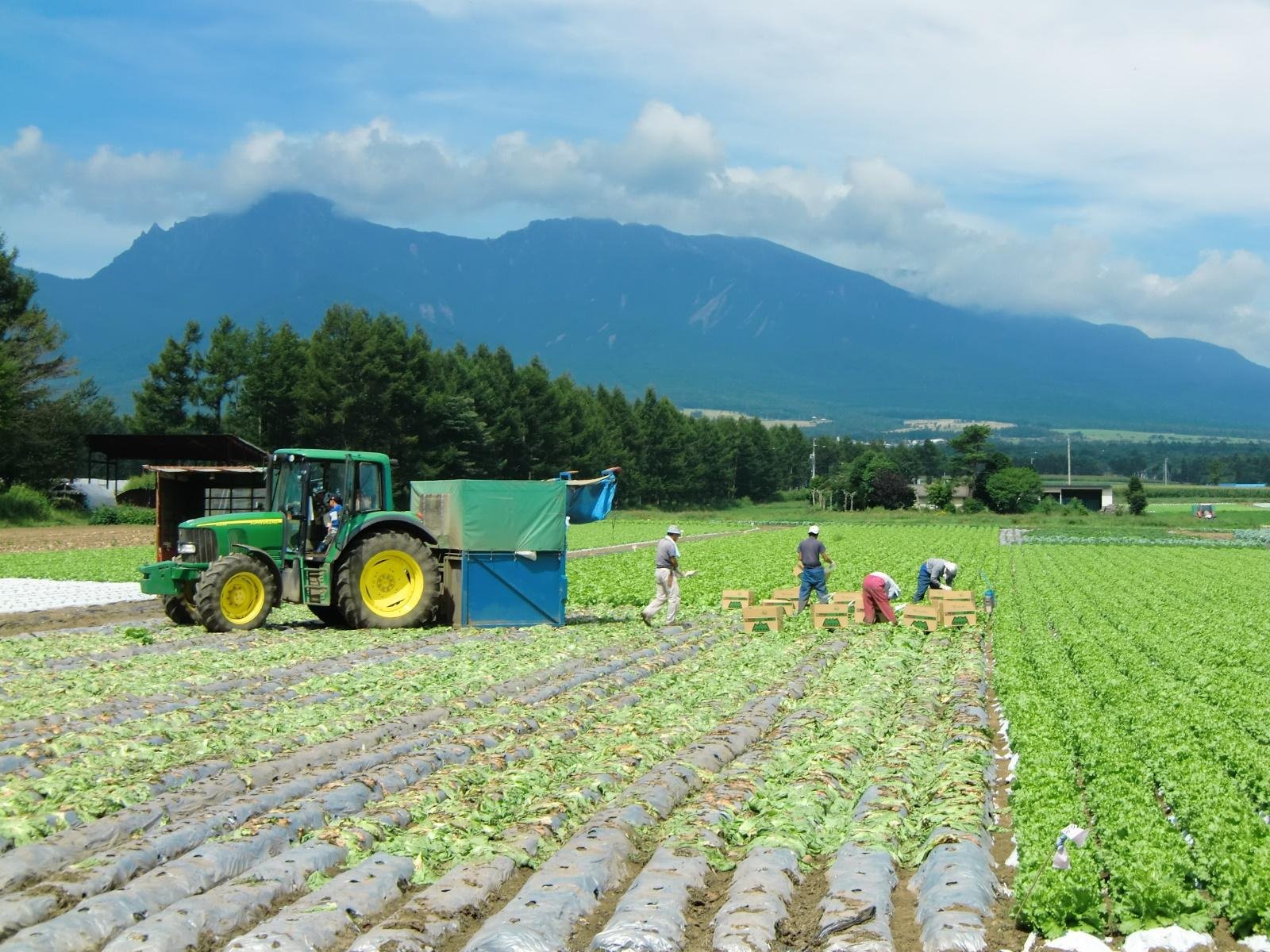
For Japanese farmers, the stakes extend beyond trade policy. Potato production remains an important agricultural activity in regions where growers have built businesses around domestic varieties and established production systems. Wider access for US potatoes could increase competition in the market, particularly if imported products can reach consumers at competitive prices.
The government therefore faces a balancing act between meeting international trade commitments and protecting domestic agricultural interests. A decision to open the market would also require confidence that quarantine measures can provide sufficient protection against biological threats.
For US potato producers, meanwhile, broader access would represent an expansion beyond the processing market that has been available since 2006. General distribution could create new opportunities across retail and food-service channels, depending on the eventual conditions attached to imports.
The regulatory process is now moving into a more technical phase. The planned briefing will establish the pest and disease risks that authorities need to consider, after which the ministry will examine possible quarantine measures before making its final determination. That means the question is no longer simply whether Japan will accept US fresh potatoes, but under what conditions they could enter the country without creating unacceptable risks for domestic agriculture.
A full lifting of the ban remains some distance away. But by formally advancing the review, Japan has opened the door to a potentially significant change in its potato trade policy—one that could reshape competition in the domestic market while testing how far agricultural trade liberalisation can go without compromising plant-health protections.