Three GRDC-backed research projects aim to develop more resilient, high-performing canola varieties as global demand for food oils, feed and biofuels continues to rise
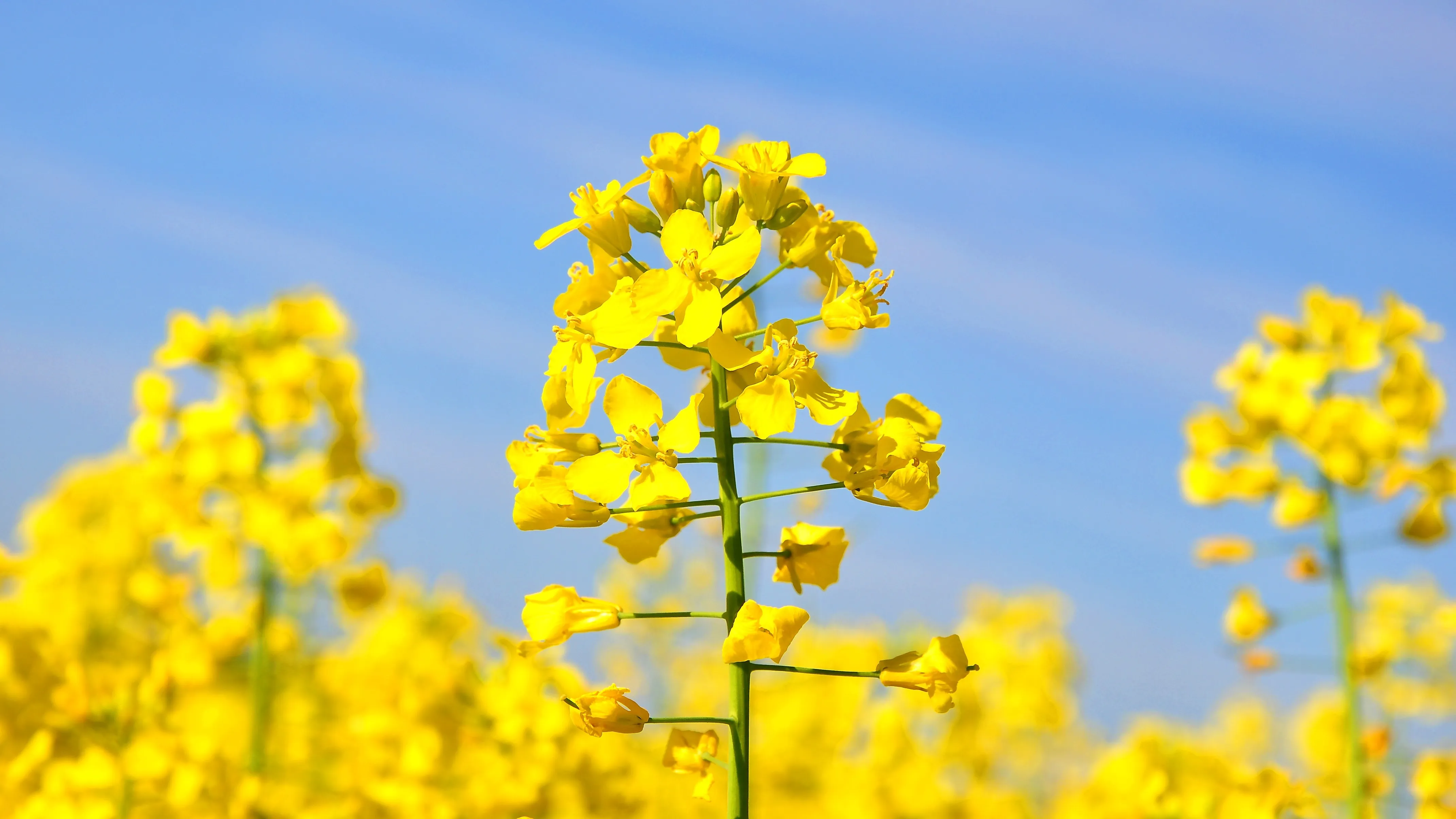
Australia is accelerating efforts to develop more resilient and productive canola varieties through a series of major genetics research initiatives designed to address some of the crop’s most significant production challenges, including frost damage, acid soils, and yield efficiency.
The Department of Primary Industries and Regional Development (DPIRD), supported by co-investment from the Grains Research and Development Corporation (GRDC), is leading three research projects that aim to strengthen the long-term competitiveness of one of the country’s most valuable agricultural commodities.
As Australia’s third-largest crop by value and a critical rotation crop for cereal production, canola plays an increasingly important role in supplying edible oils, livestock feed ingredients, and feedstocks for renewable fuels.
Building Climate Resilience Through Frost-Tolerant Genetics
One of the flagship initiatives focuses on reducing canola’s vulnerability to frost, a recurring production risk across key grain-growing regions.
The project will evaluate Australian and international germplasm collections, including both hybrid and open-pollinated varieties, to identify genetic traits associated with improved frost tolerance.
Researchers expect the program to contribute to yield improvements exceeding four percent in frost-affected environments while providing breeders with stronger tools to develop varieties capable of maintaining productivity under increasingly variable climatic conditions.
Field trials will be conducted across multiple frost-prone regions to better understand how frost impacts crop performance and to identify the genetic characteristics linked to resilience.
Expanding Canola Production on Acidic Soils
A second research stream is targeting one of Australia’s most widespread soil constraints: acidity.
In collaboration with researchers in New South Wales, scientists are working to identify the genes and genomic regions associated with acid-soil tolerance, a trait that could expand the area suitable for canola cultivation while improving productivity in existing production zones.
The initiative is expected to support yield gains of approximately 1.5 percent and provide breeders with new genetic selection tools and screening methodologies for future variety development.
Researchers will validate candidate lines through both glasshouse and field-based trials under a range of Australian growing conditions before integrating findings into breeding programs.
Unlocking Higher Yield Potential Through Biomass Efficiency
The third project is examining one of the fundamental drivers of crop productivity: the relationship between biomass production and grain yield.
Scientists are investigating genetic traits that influence the crop’s Harvest Index—the proportion of total plant biomass ultimately converted into harvestable seed.
The work will evaluate characteristics such as plant emergence, flowering behaviour, shoot biomass, stem carbohydrate reserves, plant height, and nitrogen utilisation across a diverse collection of canola lines.
Trials will be conducted in both high- and low-rainfall environments under varying management regimes, including different nitrogen rates, sowing dates, crop densities, and defoliation treatments.
To strengthen analytical capabilities, researchers are partnering with Curtin University, the University of Queensland, and the University of Adelaide through the GRDC’s Analytics for the Australian Grains Industry program.
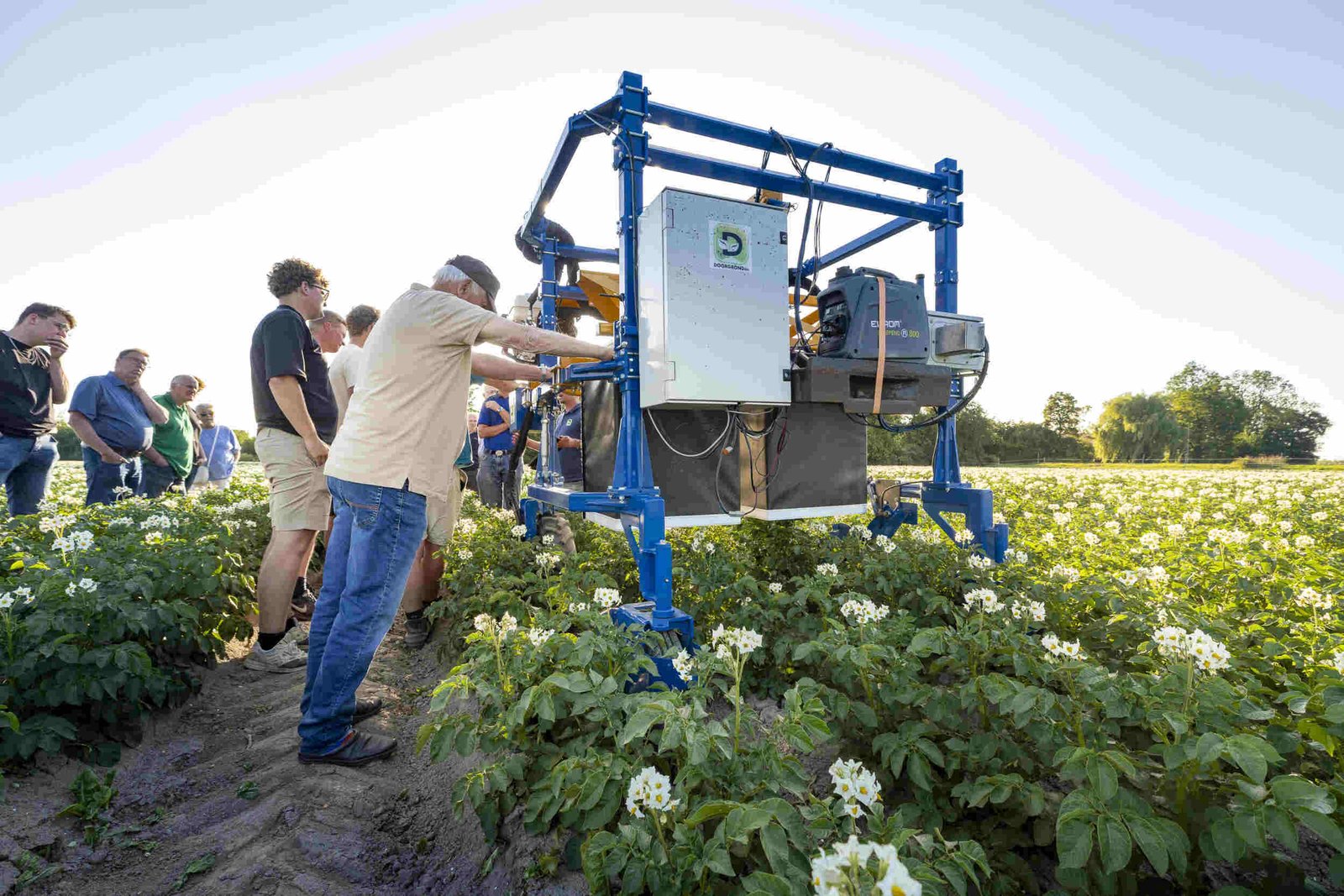
Advanced drone-based imaging and phenotyping technologies will also be deployed through the Australian Plant Phenomics Network, enabling high-throughput assessment of crop traits and physiological performance.
Supporting Future Food, Feed and Biofuel Demand
Industry leaders say the research comes at a critical time as global demand for canola-derived products continues to expand.
Growing consumption of vegetable oils, livestock feed ingredients, and renewable fuel feedstocks is increasing pressure on breeding programs to deliver varieties that can achieve higher yields while performing reliably across diverse production environments.
The projects are expected to generate valuable genetic insights, breeding tools, and screening technologies that will accelerate the development of next-generation canola varieties tailored to Australia’s evolving agronomic and market requirements.
Beyond boosting productivity, the initiatives reflect a broader industry push to strengthen crop resilience and resource-use efficiency as climate variability and sustainability considerations become increasingly central to global agricultural production systems.