After more than a decade of scientific assessments, fisheries reforms and industry collaboration, the North-Western fishery becomes Sri Lanka’s first to meet the Marine Stewardship Council’s sustainability standard, strengthening its credentials in global seafood markets.
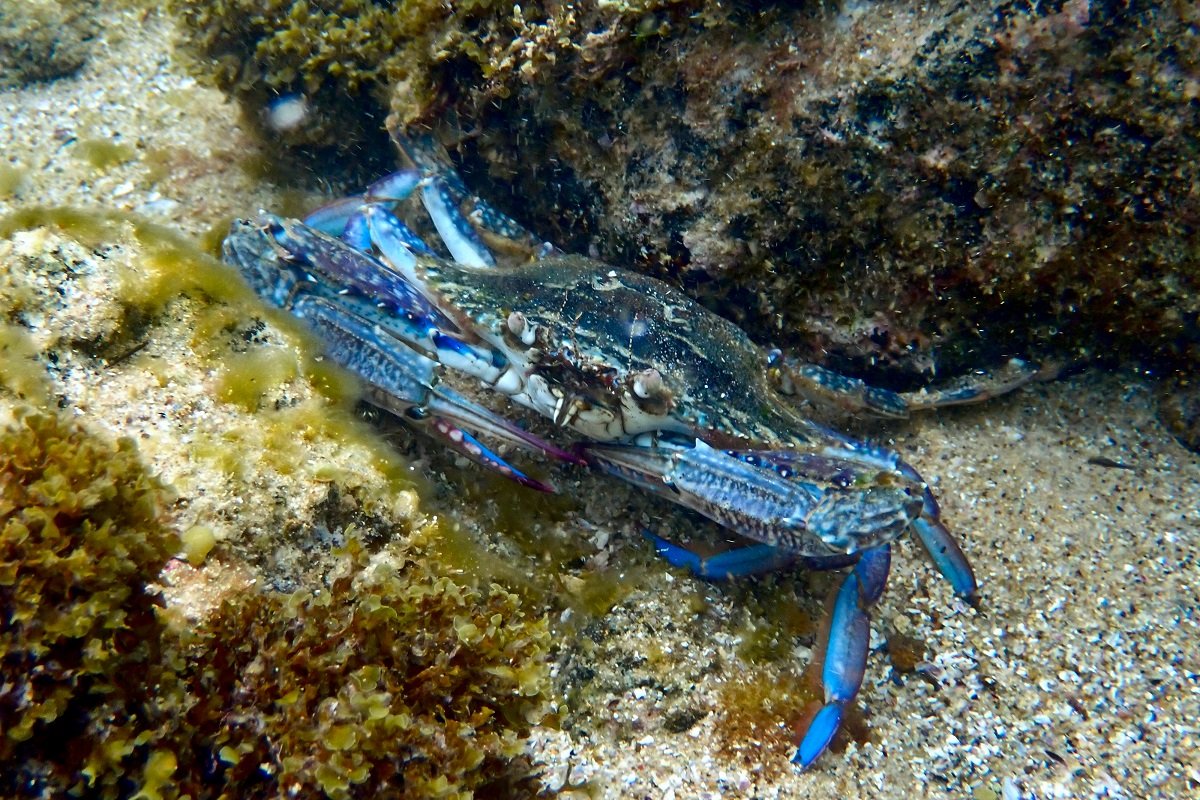
For Sri Lanka's blue swimming crab industry, a decade of investment in fisheries science, responsible harvesting and community-led management has culminated in a significant international endorsement. The country's North-Western blue swimming crab fishery has become the first in Sri Lanka to secure Marine Stewardship Council (MSC) certification, meeting the internationally recognised standard for sustainable wild-capture fisheries.
The certification covers fishing operations in Palk Bay and the Gulf of Mannar, two important marine fishing grounds off Sri Lanka's north-western coast. It marks a major development for an export-oriented industry that depends on thousands of small-scale fishers and supplies seafood markets across North America and Europe. More importantly, it places Sri Lanka's blue swimming crab within a globally recognised network of responsibly sourced seafood, potentially strengthening its access to retailers and buyers with sustainability requirements.
The achievement is the outcome of a Fishery Improvement Project (FIP) launched in 2013 by the Seafood Exporters’ Association of Sri Lanka, with support from the National Fisheries Institute Crab Council. What began as a collaborative effort to address shortcomings in fisheries data and management evolved into a decade-long programme involving fishing communities, seafood processors, exporters, scientific organisations and government authorities.
The work centred on a fundamental challenge: ensuring that commercial harvesting did not undermine the resource base on which the industry and coastal livelihoods depend. Scientific stock assessments were strengthened through improved data collection, providing a more reliable understanding of crab populations and fishing pressures. The evidence subsequently informed harvest strategies and fisheries management plans. Measures were also introduced to reduce interactions with non-target species and vulnerable marine life, while a minimum legal purchasing size of 100 grams (approximately 117 mm) was established to protect juvenile crabs.
The fishery operates through small-scale fishing practices, with fishers using bottom-set gillnets from traditional boats and small motorised vessels. Its sustainability credentials therefore depend not only on regulatory interventions but also on the participation of fishing communities and the purchasing practices of seafood companies.
Dr Steve Creech, Sri Lanka Blue Swimming Crab Fishery Improvement Project Coordinator and Executive Director of pelagikos pvt ltd., said the certification reflected a three-way partnership between fishers, the seafood supply chain and the Department of Fisheries. “The success of the fishery improvement project in achieving MSC certification is built on a three-way partnership that promotes responsible harvesting by fishers, responsible purchasing by the seafood supply chain and collaborative fisheries management by the Department of Fisheries.” He highlighted the continuous collection and analysis of data on crab stocks, ecological impacts and fishing activity as central to the process. Scientific evidence generated by pelagikos in collaboration with FIP members enabled both units of assessment to meet the MSC Fisheries Standard.
A sustainability milestone with commercial implications
For Sri Lanka's seafood industry, the certification arrives at a time when environmental credentials are increasingly relevant to international sourcing decisions. MSC certification provides an independently assessed sustainability benchmark that can help fisheries demonstrate responsible resource management to seafood buyers and retailers.
The commercial implications extend beyond exporters. The blue swimming crab value chain supports thousands of small-scale fishers, collection centres and labour-intensive processing facilities. Crab meat preparation, in particular, provides employment to thousands of women, making the industry's long-term viability closely connected to local employment and household incomes. Timothy O’Reilly, Co-Founder and Managing Director of Taprobane Seafoods Pvt Ltd, representing the client group, said the achievement was particularly significant given that the initiative began shortly after the end of Sri Lanka's 30-year civil conflict. “Years of dedication and collaboration have brought us to this important milestone for the fishing communities we work with and Sri Lanka’s blue swimming crab industry,” he said.
He added that growing commitments among leading global retailers to source seafood from MSC-certified fisheries presented an opportunity for Sri Lanka to develop new partnerships and supply regional and international markets with responsibly sourced blue swimming crab carrying the MSC ecolabel.
The investment required to build a sustainable seafood supply chain has also involved developing local processing capabilities. John D. Paterson, Director of CM Blue Crab Pvt Ltd and co-client on the MSC certificate, said the company's establishment of a processing facility in Mannar in 2016 reflected its commitment to the long-term future of the fishery.
According to Paterson, the certification recognises years of collaborative work to conserve crab stocks while creating sustainable livelihood opportunities for families in Mannar and Jaffna and connecting local seafood production with international markets. The government's role in this transition has been equally important. Susantha Kahawatte, Director General of Sri Lanka’s Department of Fisheries and Aquatic Resources, described the certification as an endorsement of the country's commitment to science-based fisheries governance, responsible fishing practices and cooperation between public institutions, industry and coastal communities.
He noted that the achievement strengthens Sri Lanka's position in international seafood markets while supporting marine conservation and protecting fishing livelihoods.
A regional precedent for sustainable crab fisheries
The significance of Sri Lanka's achievement extends beyond its domestic seafood industry. Blue swimming crab fisheries across Asia face the shared challenge of balancing export demand, fishing-community dependence and the conservation of marine resources.
The MSC has identified Sri Lanka's experience as a potential reference point for fisheries improvement initiatives in neighbouring India, Thailand, Indonesia, Vietnam and the Philippines. These countries have ongoing blue swimming crab improvement efforts, making regional knowledge-sharing and cooperation particularly relevant to the management of interconnected marine ecosystems.
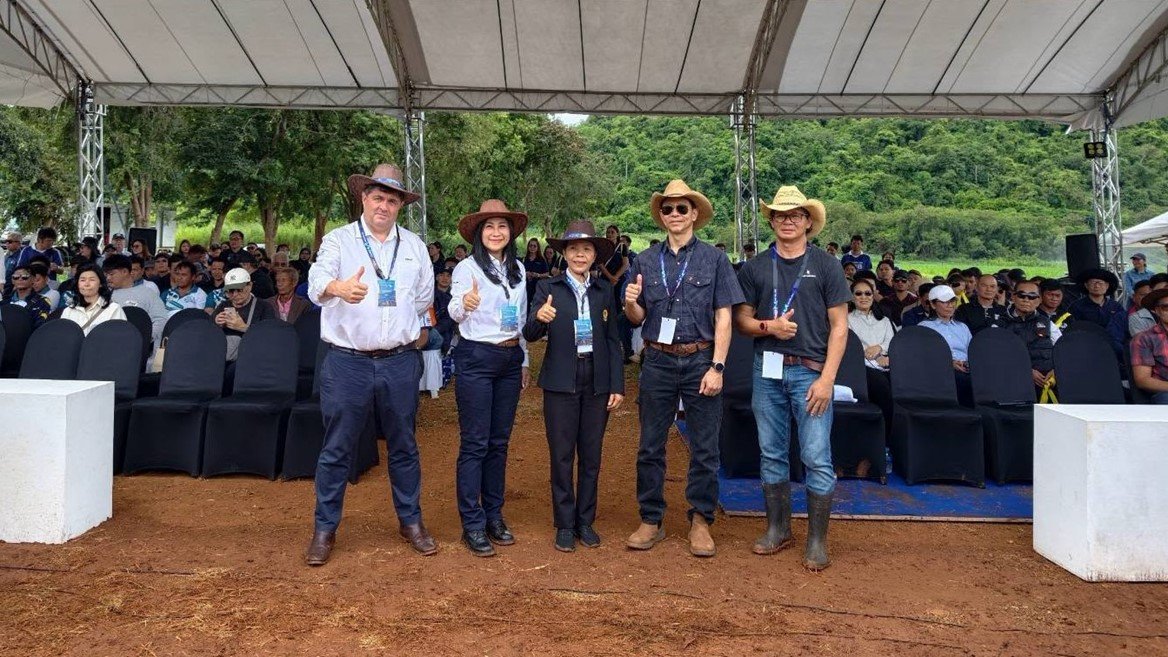
Edouard le Bart, MSC Regional Director, congratulated the stakeholders involved and said the certification would add Sri Lankan blue swimming crab to the global supply of MSC-certified seafood, helping meet growing demand for responsibly sourced crab. He also emphasised the value of Sri Lanka's experience for other fisheries pursuing sustainability improvements across the region.
The certification is therefore both recognition of past reforms and a test of their durability. International market access will depend on maintaining the scientific monitoring, harvesting discipline and management cooperation that made certification possible in the first place. The larger opportunity lies in demonstrating that sustainable fisheries management can deliver more than conservation outcomes: it can strengthen export competitiveness, support coastal employment and secure the resource base on which fishing communities depend. Sri Lanka's blue swimming crab industry has taken an important step in that direction.