South Africa’s livestock industry is entering a critical period of transformation, with industry leaders, policymakers and global experts calling for stronger collaboration, enhanced biosecurity measures, advanced traceability systems and targeted export development to secure the sector’s future competitiveness.
The discussions took center stage at the BFAP Global Livestock Forum, where stakeholders examined the opportunities and challenges shaping livestock production amid growing global demand, evolving trade requirements and increasing disease-related risks.
Speakers emphasized that livestock production remains central to food security, rural development, employment generation and economic growth, but warned that climate pressures, geopolitical uncertainty and biosecurity threats are forcing the industry to rethink traditional production and market strategies.
Biosecurity and Disease Management Take Center Stage
A key focus of the forum was South Africa’s ongoing battle against Foot-and-Mouth Disease (FMD), which continues to restrict access to major international markets and undermine export competitiveness.
Government officials reported significant progress in the national vaccination campaign, with nearly 5.5 million cattle vaccinated by mid-June, representing approximately 43 percent of the country’s cattle population.
Industry leaders noted that regaining disease-free status and establishing internationally recognized FMD-free zones will be essential to reopening high-value export destinations, particularly in Asia, where demand for premium meat products continues to grow.
The loss of access to major markets has reinforced the need for stronger animal health systems, improved surveillance and coordinated disease-control strategies across the livestock value chain.
Traceability Emerging as a Strategic Competitive Tool
The forum also highlighted the growing importance of livestock traceability as a prerequisite for global market access.
Drawing on Brazil’s experience, experts explained how the country has evolved from monitoring herd-level animal movements to implementing more sophisticated systems capable of tracking individual animals throughout the production cycle.
Following Brazil’s achievement of FMD-free status without vaccination in 2025, traceability has become increasingly important in meeting the requirements of international buyers demanding greater transparency, food safety assurances and supply chain accountability.
Industry participants argued that South Africa must accelerate the development of robust national traceability systems if it hopes to compete effectively in premium export markets.
Beyond disease control, traceability is increasingly viewed as a commercial asset capable of supporting quality verification, sustainability claims and consumer confidence.
Research Investment Seen as Critical for Long-Term Competitiveness
Another recurring theme was the need for greater investment in agricultural research and innovation.
Industry representatives warned that public-sector funding alone will be insufficient to address future production challenges, particularly as climate variability, disease threats and changing consumer expectations reshape global livestock systems.
Calls were made for stronger public-private partnerships capable of supporting long-term research programs, technology development and productivity improvements.
Experts stressed that meaningful agricultural innovation often requires sustained investment over a decade or more, making collaborative funding models increasingly important for maintaining competitiveness.
Middle East and North Africa Offer Significant Export Potential
Global market opportunities were another major focus of the discussions.
Analysts identified the Middle East and North Africa (MENA) region as one of the world’s most structurally import-dependent meat markets, driven by population growth, water scarcity and limited domestic production capacity.
Rather than competing solely on commodity volumes, experts argued that South Africa should position itself as a supplier of premium, high-quality and halal-certified meat products tailored to the specific requirements of different MENA markets.
The region’s diversity was highlighted as both a challenge and an opportunity, requiring exporters to develop targeted market strategies rather than treating the region as a single homogeneous destination.
Unlocking the Potential of Emerging Livestock Producers
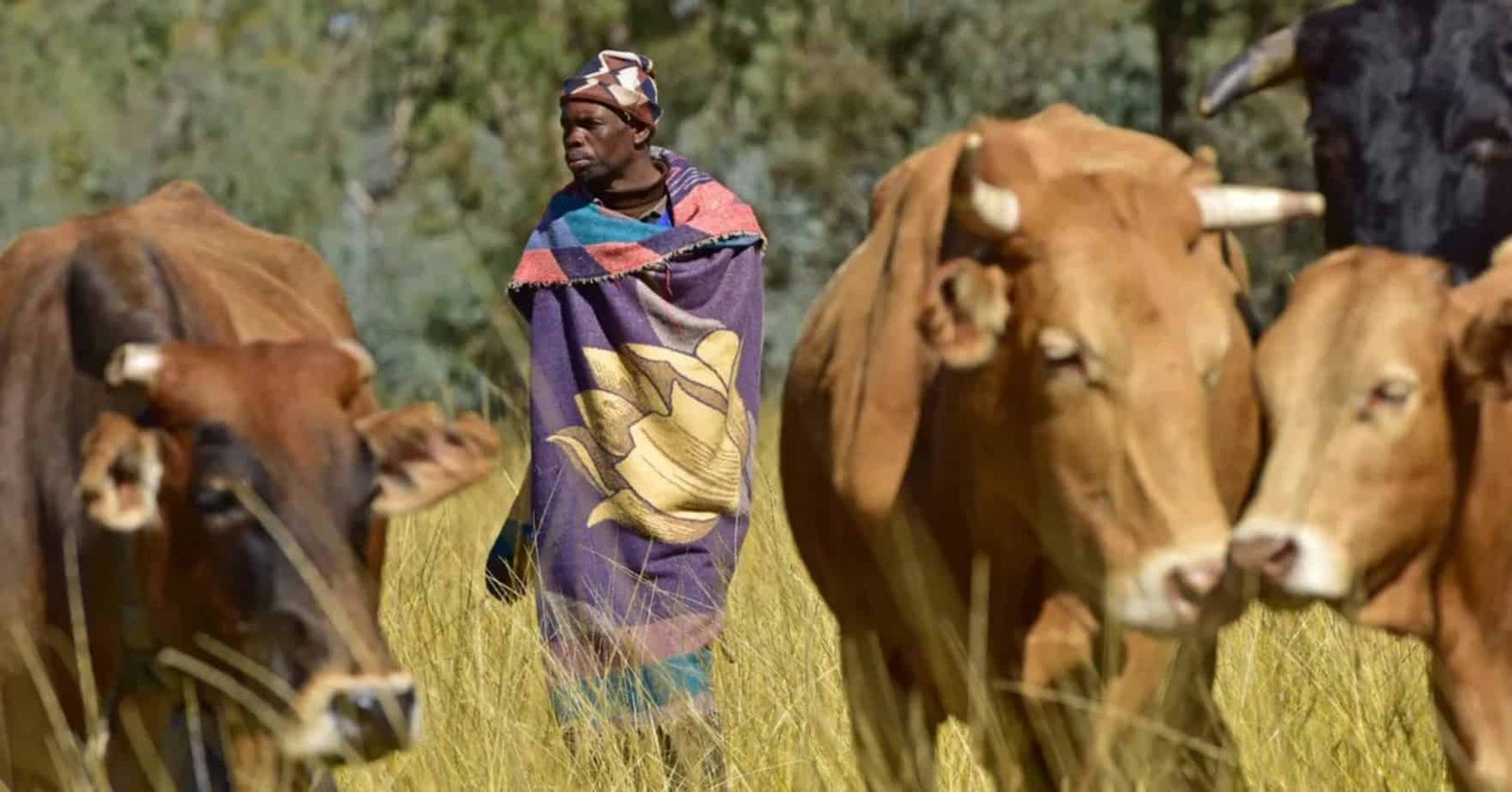
Forum participants also emphasized the importance of better understanding South Africa’s communal and small-scale livestock sector, which remains underrepresented in formal industry data and development initiatives.
At the same time, analysts pointed to encouraging signs of generational change, with younger producers increasingly viewing agriculture as a commercial investment opportunity rather than solely a traditional livelihood activity.
Industry stakeholders believe that integrating emerging producers into modern livestock value chains could unlock new sources of growth, improve rural incomes and strengthen overall sector resilience.
A New Era for South African Livestock
The forum concluded with a clear message: the future success of South Africa’s livestock industry will depend on its ability to combine effective disease management, advanced traceability, research-driven innovation and export market diversification.
As global buyers place greater emphasis on transparency, biosecurity and sustainability, industry leaders argued that collaboration across government, research institutions and the private sector will be essential to transforming challenges into long-term competitive advantages.
With international demand for high-quality protein continuing to rise, stakeholders believe South Africa has a unique opportunity to strengthen its position in global livestock markets—provided it can successfully build the systems, partnerships and trust required to support the next phase of industry growth.