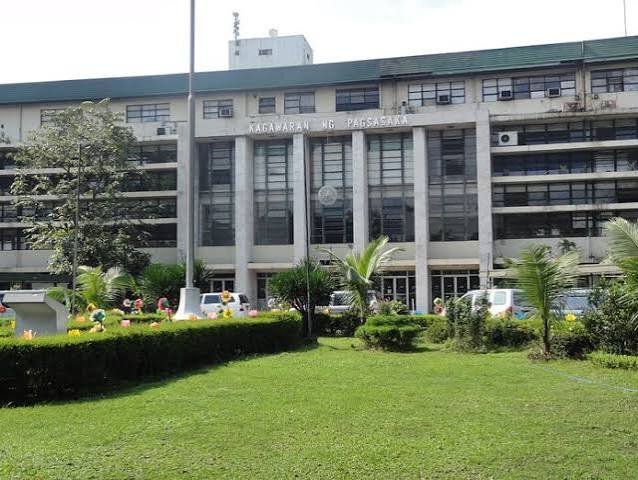
The Philippine Department of Agriculture (DA) has commissioned three modular cold-storage facilities in Ilocos Sur to help farmers reduce postharvest losses, preserve perishable agricultural produce and improve access to markets. The facilities were inaugurated on 20 November 2026 in the municipalities of Sto. Domingo, Bantay and Narvacan as part of the government's efforts to strengthen agricultural infrastructure and food supply chains.
Alongside the new storage installations, the department opened registration for fuel assistance for agricultural truck operators to help address rising transportation costs. The initiatives aim to improve the movement and storage of agricultural commodities while providing farmers with greater flexibility in deciding when and where to sell their produce.
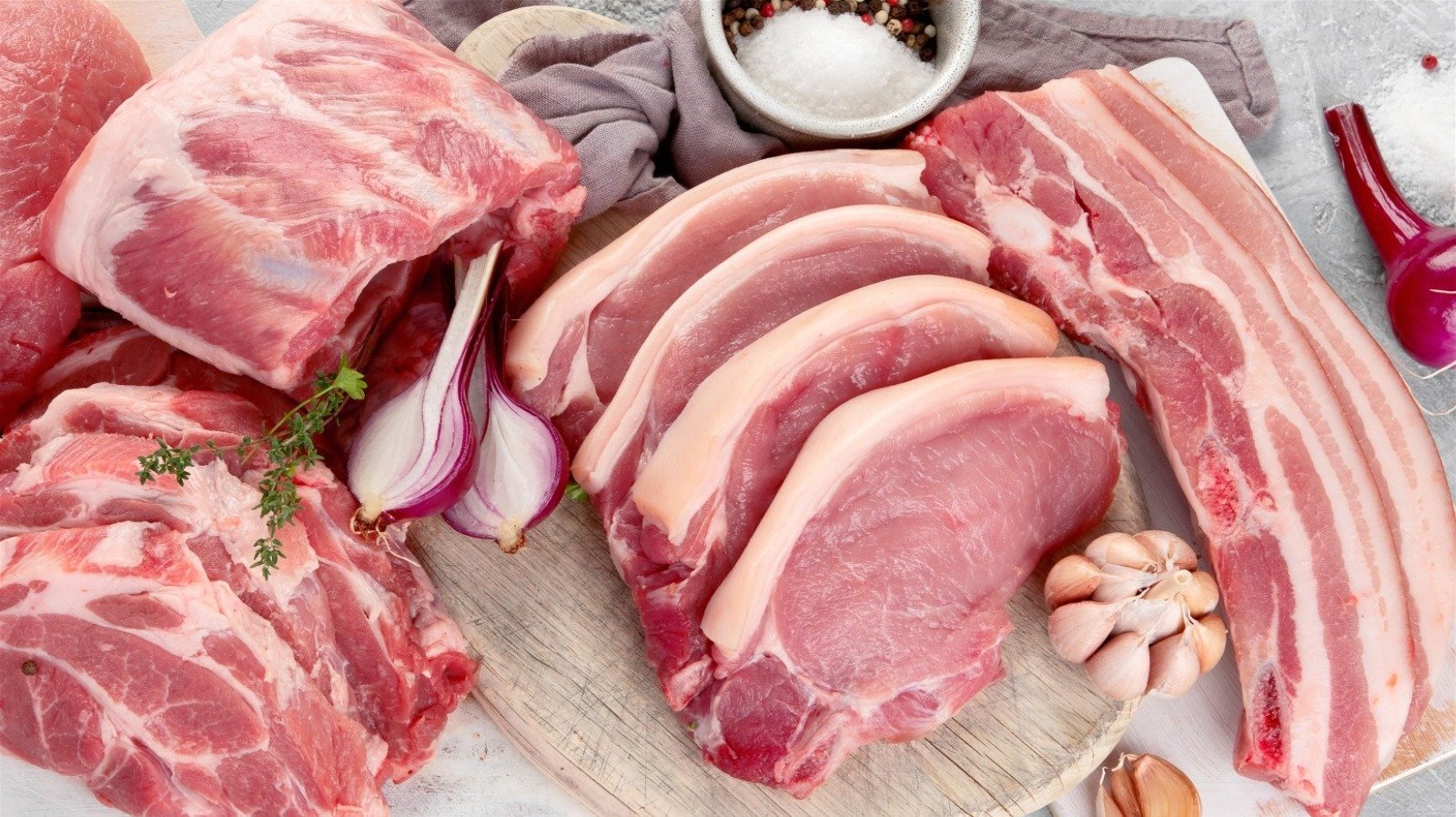
Cold-storage facilities support postharvest management
The new modular facilities provide additional refrigerated storage capacity for farmers and agricultural stakeholders in Ilocos Sur. The first facility was turned over in Sto. Domingo, followed by the inauguration of installations in Barangay Taleb, Bantay, and Barangay San Antonio, Narvacan.
According to the department, access to cold storage will allow farmers to preserve produce for longer periods, consolidate harvests and coordinate transportation before bringing products to market. The facilities are also intended to reduce the pressure on farmers to sell immediately after harvesting, particularly when market prices are unfavourable.
Agriculture Secretary Francisco Tiu Laurel Jr. said improvements in postharvest infrastructure are important for reducing spoilage, protecting farmers' incomes and strengthening food supply stability. The department expects additional refrigerated storage capacity to support more efficient agricultural marketing and distribution.
Fuel assistance targets agricultural transport costs
The DA also conducted a fuel-assistance registration activity for agricultural truck operators at the Farmers Productivity Center in Barangay Parada, Sto. Domingo. The registration programme is designed to help agricultural transport operators manage fuel expenses associated with moving produce from farms to trading centres and consumer markets.
During the activity, the department distributed fuel-subsidy intervention monitoring cards to participating farmers. Registration was coordinated by the DA's Agricultural and Fisheries Logistics Office, its regional agribusiness and marketing division and local government representatives.
The Bureau of Agricultural and Fisheries Engineering also supported the implementation of the assistance programme. The department said addressing transport costs is necessary to improve supply chain efficiency and prevent higher distribution expenses from placing additional pressure on farmers and consumers.
Part of wider agricultural infrastructure programme
The cold-storage facilities and fuel-assistance initiative form part of the government's Government Assistance and Interventions for National Agriculture (GAIN) programme. The programme focuses on agricultural infrastructure, logistics, climate resilience, market access and production support.
DA Undersecretary Arrey Perez said the interventions are intended to strengthen the agricultural sector's capacity to withstand climate-related and economic challenges, including the effects of El Niño. The latest installations follow the department's broader efforts to expand cold-chain infrastructure across the Philippines, particularly for vegetables and other high-value agricultural commodities.
Improved storage and transport systems are expected to complement investments in farm productivity by helping agricultural producers preserve product quality and manage distribution more efficiently. However, the department has not disclosed the individual capacities or construction costs of the three facilities, nor has it provided quantified estimates of the postharvest losses they are expected to prevent. The Ilocos Sur installations represent a further step in the Philippines' efforts to address agricultural supply chain constraints and improve the market access available to local producers.