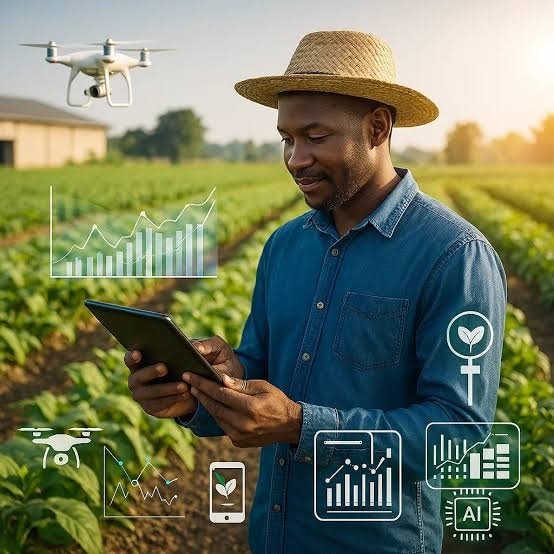
Citri&Co is preparing to extend artificial intelligence deeper into its farming operations, deploying an agronomic intelligence platform developed by agtech startup Orth across its global agricultural footprint. The move follows a pilot at Safresco, the company’s Peruvian subsidiary, which Citri&Co says demonstrated the platform’s potential to strengthen farm-level analysis and improve the speed and precision of agronomic decisions.
The development reflects a broader shift in commercial agriculture: the challenge is no longer merely collecting farm data, but making it accessible and useful when decisions about crop management, inputs and field operations have to be taken.
For a business operating across diverse agricultural conditions, the ability to connect present field observations with historical performance could help reduce the dependence on fragmented records and individual knowledge. Citri&Co’s ambition is to make that intelligence transferable across farms, countries and growing seasons.
“Agronomic expertise has always been one of our greatest strengths, but its impact depends on how precisely we apply it – field by field, season by season, decision by decision,” said Carlos Blanc, CEO of Citri&Co.
He said Orth would give agronomic teams greater visibility into field conditions and historical performance, helping them translate information into timely interventions. It could also allow insights developed on one farm to inform decisions elsewhere in the company's operations.
Turning farm data into operational intelligence
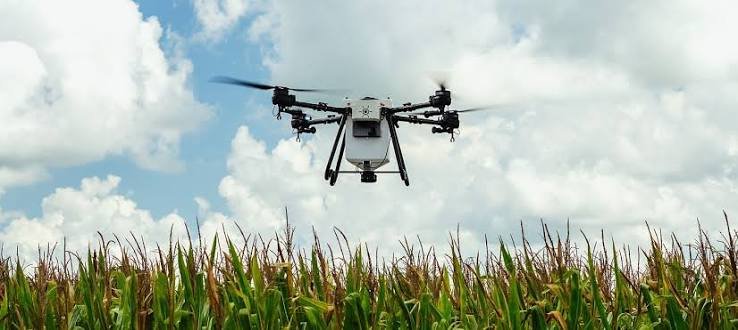
Orth’s platform brings together three layers of information: real-time field signals, records of previous seasons and farm operations, and the judgement of agronomic teams. By connecting current conditions with historical information, it is designed to give agronomists and managers a more comprehensive basis for assessing crop performance and deciding what action to take.
The distinction is important. Agricultural businesses have accumulated substantial volumes of operational and agronomic information, but that knowledge is often dispersed across records, teams and locations. Its value can diminish when it cannot be retrieved quickly or interpreted in the context of an immediate field-level problem.
Orth aims to address this gap by making information easier to capture, analyse and apply. According to the startup, the platform can help teams identify emerging issues earlier, recognise patterns and respond with greater precision.
“ Agriculture holds an extraordinary amount of knowledge, but too much of it has remained difficult to access at the moment of decision,” said Hassan Fayed, founder and CEO of Orth. He described the platform as a way to make that accumulated knowledge more accessible and actionable, particularly within a multinational fruit business.
For agronomists, the intended benefit is not to replace field expertise, but to reduce the time spent retrieving information and piecing together historical records. That could leave teams with more capacity to focus on crop performance, diagnosis and interventions.
The economics of precision at scale
Citri&Co operates more than 33,000 hectares of farms, producing over one million tonnes of fresh fruit annually for markets in more than 70 countries. At this scale, incremental improvements in agronomic decisions can have implications well beyond an individual field.
Decisions involving irrigation, nutrient application and crop protection influence input costs, resource consumption, fruit quality and the volume of produce lost before it reaches the market. Better information may help teams direct interventions more accurately and avoid unnecessary or delayed action.
The potential gains are particularly relevant in a business supplying international fresh-fruit markets, where consistency of quality and reliability of supply are commercially important. More informed resource management could also support more efficient use of water and agricultural inputs.
However, the value of an AI-enabled platform will ultimately depend on the quality of the data feeding it, how effectively it reflects local growing conditions and whether agronomic teams incorporate its insights into everyday decisions. Technology can improve access to information; translating that information into better outcomes still requires sound agronomy and execution in the field.
For Citri&Co, the planned global deployment will test whether the benefits observed in Peru can be extended across different crops, production environments and operating systems. The larger proposition is that knowledge generated on one farm need not remain confined to that farm. If that model works at scale, AI could become less of a standalone digital tool and more of an operational layer connecting agronomic expertise across an international farming business.