The Philippines is stepping up efforts to protect food supplies and contain prices as a combination of weather disruptions, higher fuel costs and rising logistics expenses pushes inflation higher.
The Department of Agriculture is preparing a broader response to potential climate-related supply disruptions, including food stocks, production support, market interventions and imports when necessary.
Agriculture Secretary Francisco P. Tiu Laurel Jr. said the government has set aside P45 billion for its El Niño response, with P6.2 billion already released.
“We are setting aside P45 billion for our El Niño response, with P6.2 billion already released, because we need to make sure that food supply remains stable and prices do not spiral whenever climate challenges hit our farmers and fisherfolk,” Tiu Laurel said.
The urgency has increased after overall inflation accelerated to 7.2 per cent in September, matching the pace recorded in April and marking the fastest rate since March 2023. Food and utility costs were among the main drivers of the increase.
Food inflation rose to 6.8 per cent in September from 4.6 per cent in August, compared with just 0.8 per cent a year earlier, according to the Philippine Statistics Authority.
Vegetables and other crops were among the sharpest sources of pressure. Inflation for vegetables, tubers, plantains, cooking bananas and pulses jumped to 10.7 per cent in September, from a 3.4 per cent decline in August.
Rice remains an especially important pressure point. Rice inflation accelerated to 20.3 per cent from 19.4 per cent in August, while fish and seafood inflation increased to 7.4 per cent from 6.6 per cent. Fruit and nut prices also rose faster, with inflation reaching 8.7 per cent from 5.8 per cent.
Cereals and cereal products, including rice, accounted for the largest share of food inflation, contributing 4.4 percentage points, or 64.5 per cent, of the total. Fish and seafood contributed another 1.3 percentage points, while vegetables and related products added 1 percentage point.
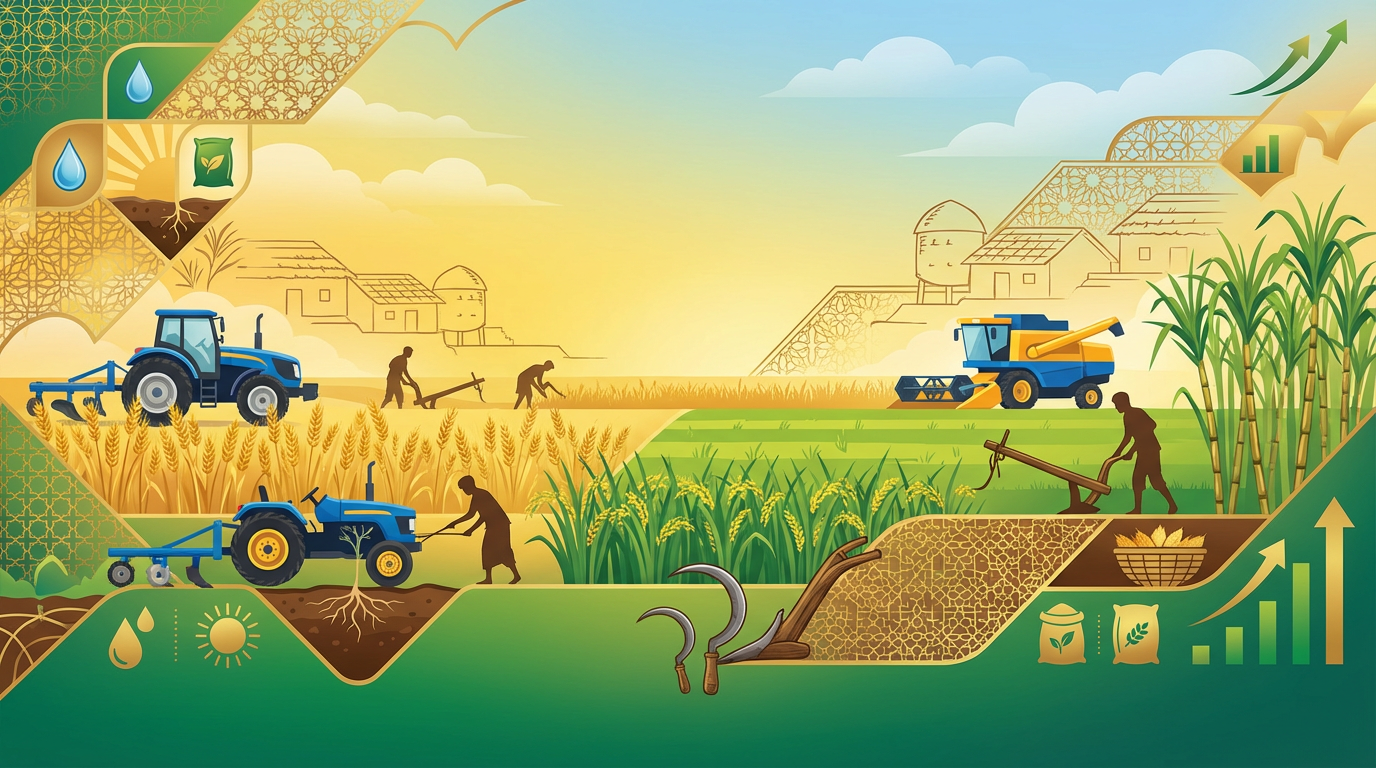
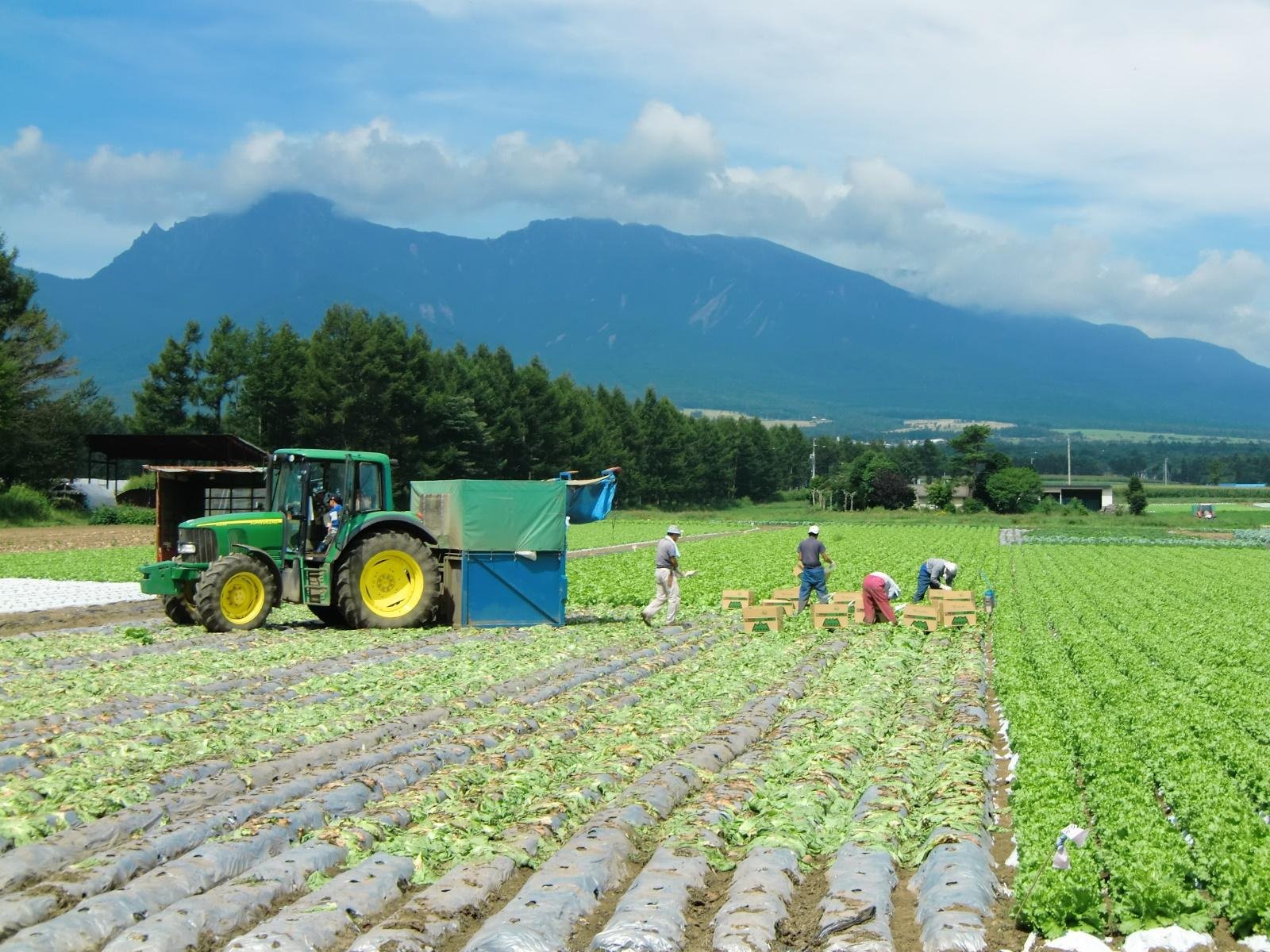
The pressure is not coming solely from farm production. Weather-related disruptions have made it harder to move food from farms to markets, while higher oil prices have increased trucking and distribution costs.
That combination creates a difficult policy problem: keeping food available without allowing higher production and transport costs to feed directly into consumer prices.
The government is therefore combining supply-side measures with assistance for farmers, fisherfolk and agricultural truckers. Imports will also be used when necessary to prevent shortages and ease pressure on domestic markets.
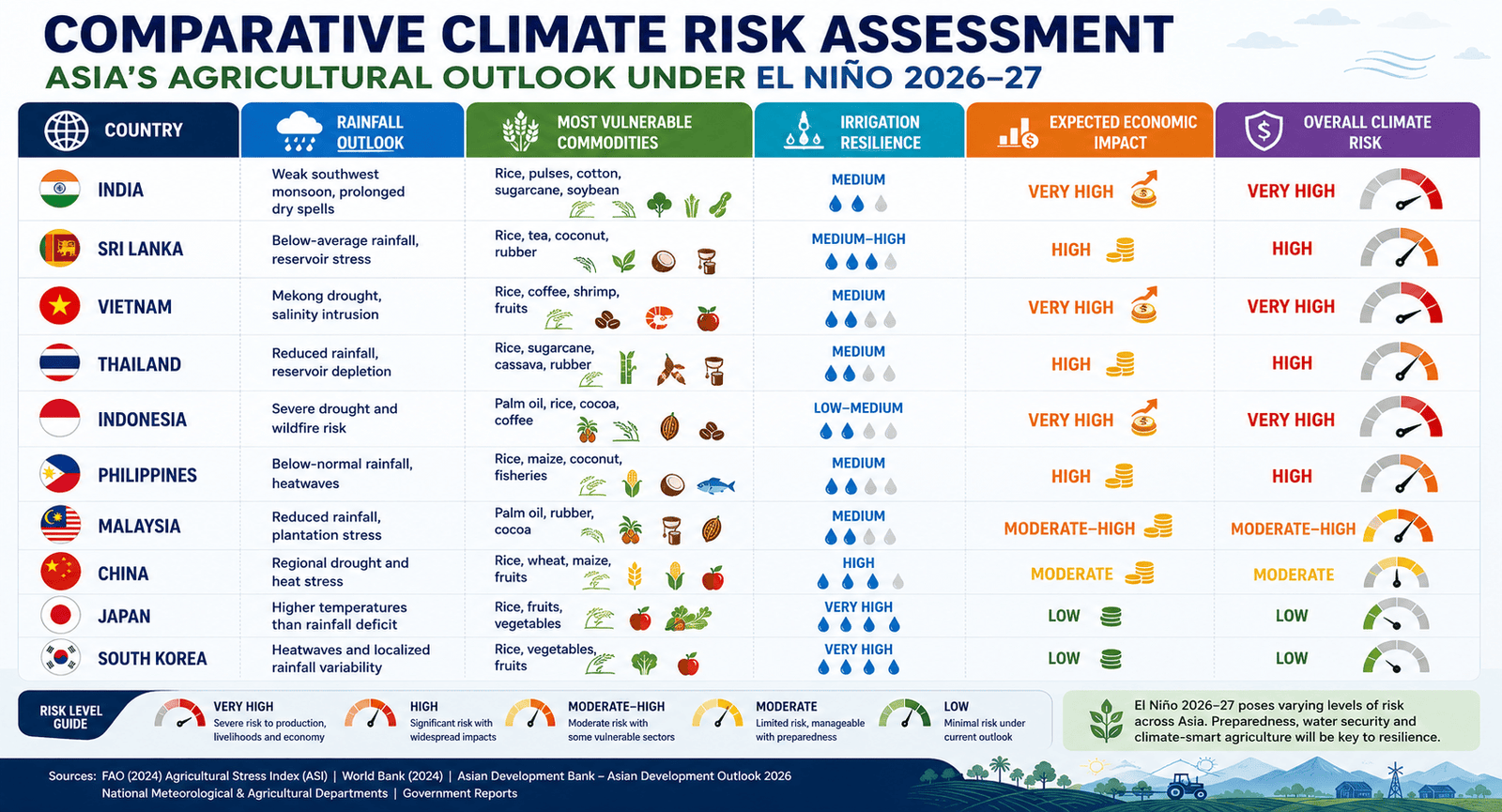
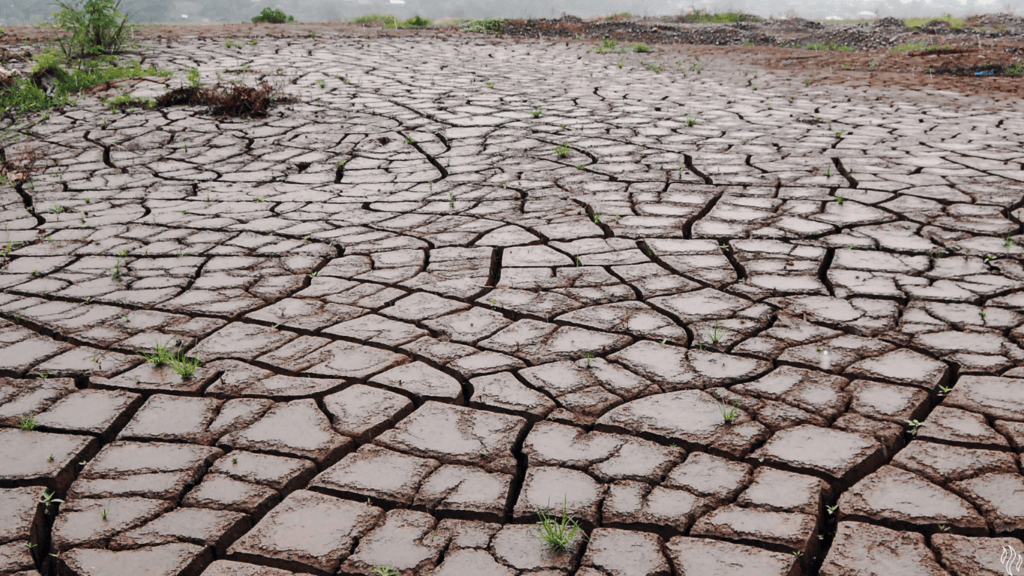
The risks could intensify in the months ahead. PAGASA is projecting a Super El Niño from later this year through the first half of 2027, with the most severe effects of the expected prolonged dry spell on agriculture, fisheries and livestock forecast between November and April.
Food accounted for 34.4 per cent of the Philippines’ overall inflation in September, contributing 2.5 percentage points to the headline rate. That makes stabilising food supplies one of the most important levers available to policymakers seeking to bring inflation back under control.
The government’s immediate challenge is to prevent climate-related disruptions from turning into a broader food-price shock. That means ensuring that supplies are available before shortages become acute, supporting producers facing higher costs and keeping agricultural transport and distribution moving.
With El Niño expected to test the country’s food system through the coming months, the effectiveness of those measures will be measured less by announcements than by whether farmers can keep producing, markets remain supplied and consumers avoid another sharp escalation in food prices.