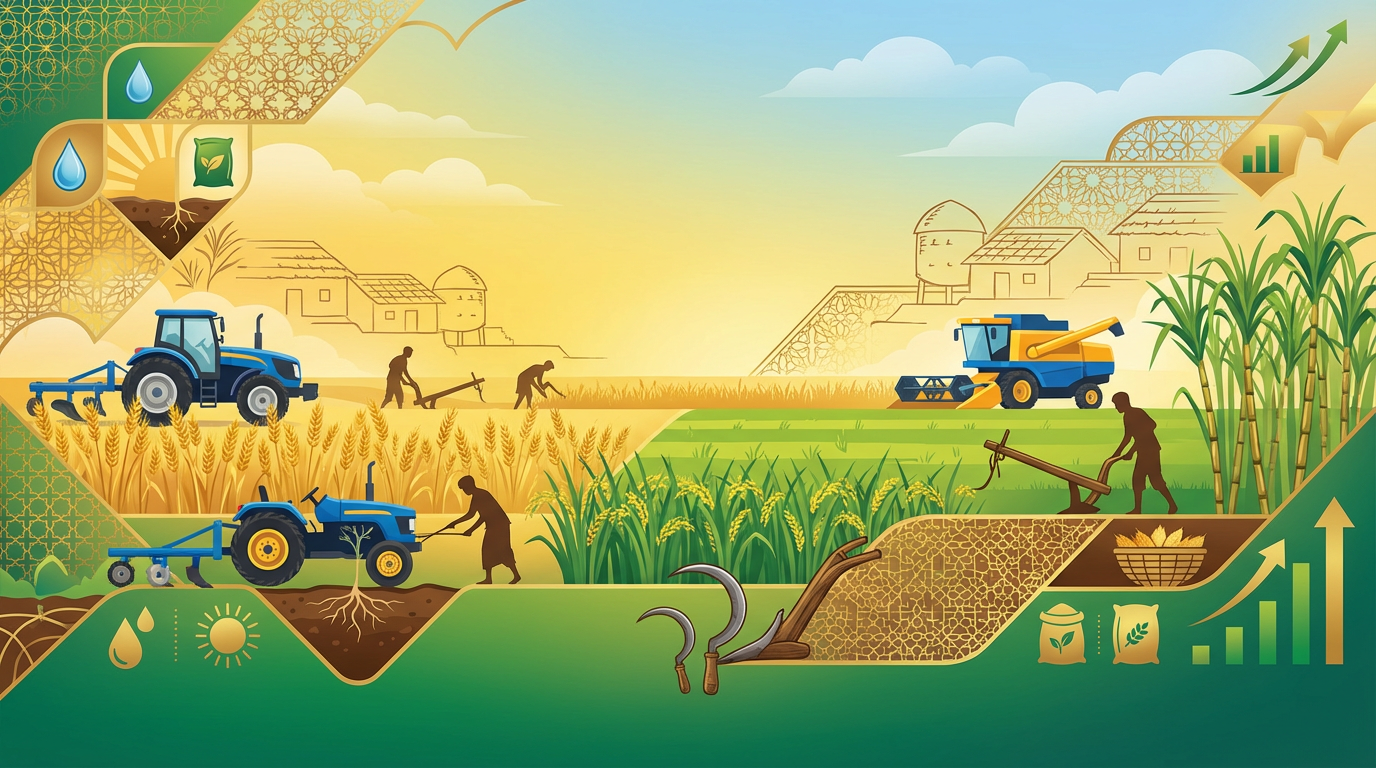

The UK government has launched Farming Roadmap 2050: Growing England's Future, a long-term strategy aimed at providing greater certainty for farmers while strengthening the resilience, profitability and sustainability of English agriculture.
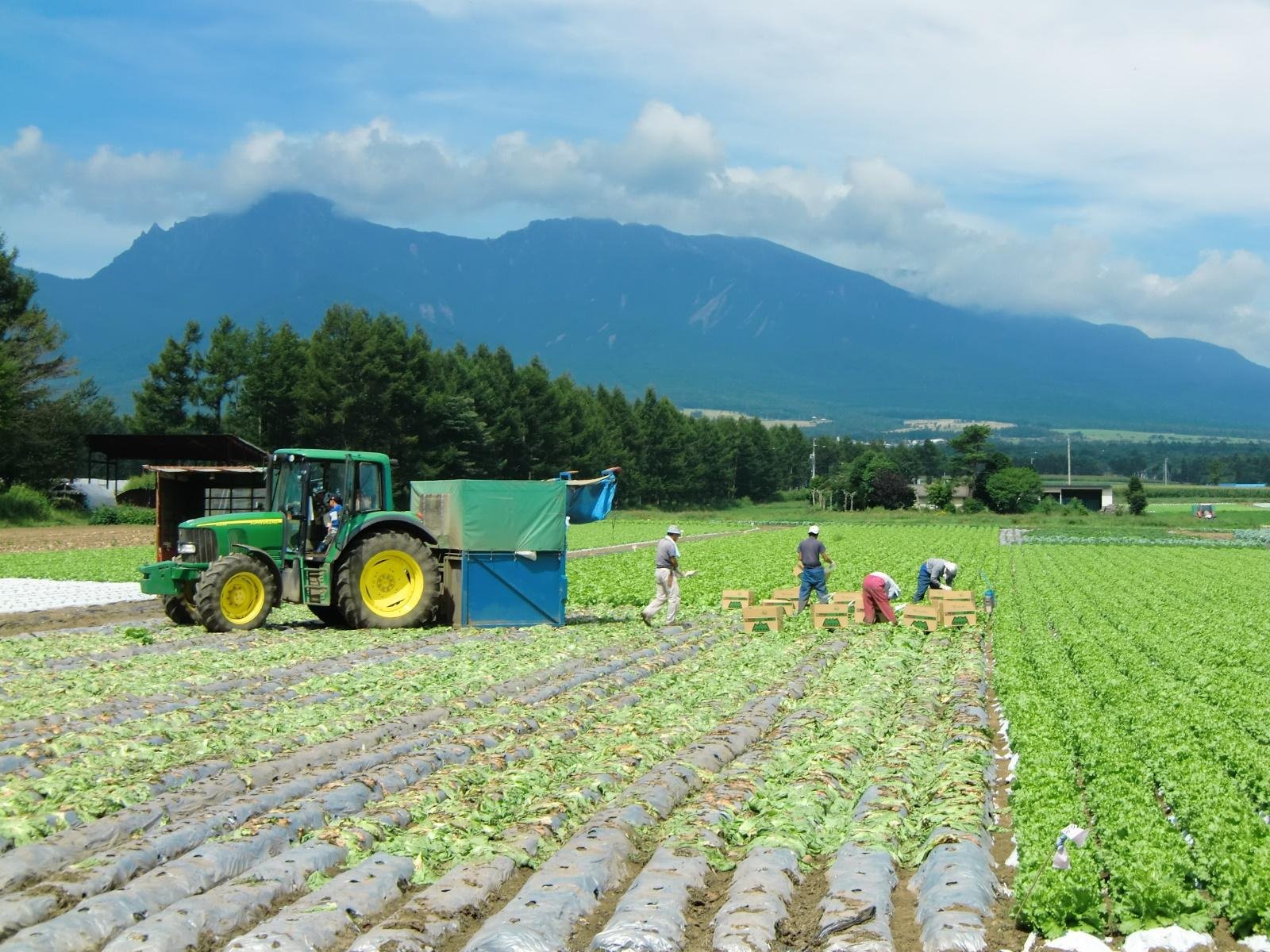
Described as the most significant policy commitment to farming since the Second World War, the roadmap outlines a long-term vision for the sector, recognising its vital role in food security, environmental stewardship and the national economy. Farmers currently produce around 65 per cent of the nation's food, manage 70 per cent of England's land, and support the country's £153 billion agri-food sector, which is recognised as Critical National Infrastructure.
Developed in collaboration with farmers and industry stakeholders, the roadmap focuses on helping the sector adapt to increasing climate-related challenges through nature-based solutions, including improved soil health, enhanced water management and sustainable land-use practices. The government said the strategy aims to provide long-term policy stability, enabling farmers to invest confidently in innovation and business growth.
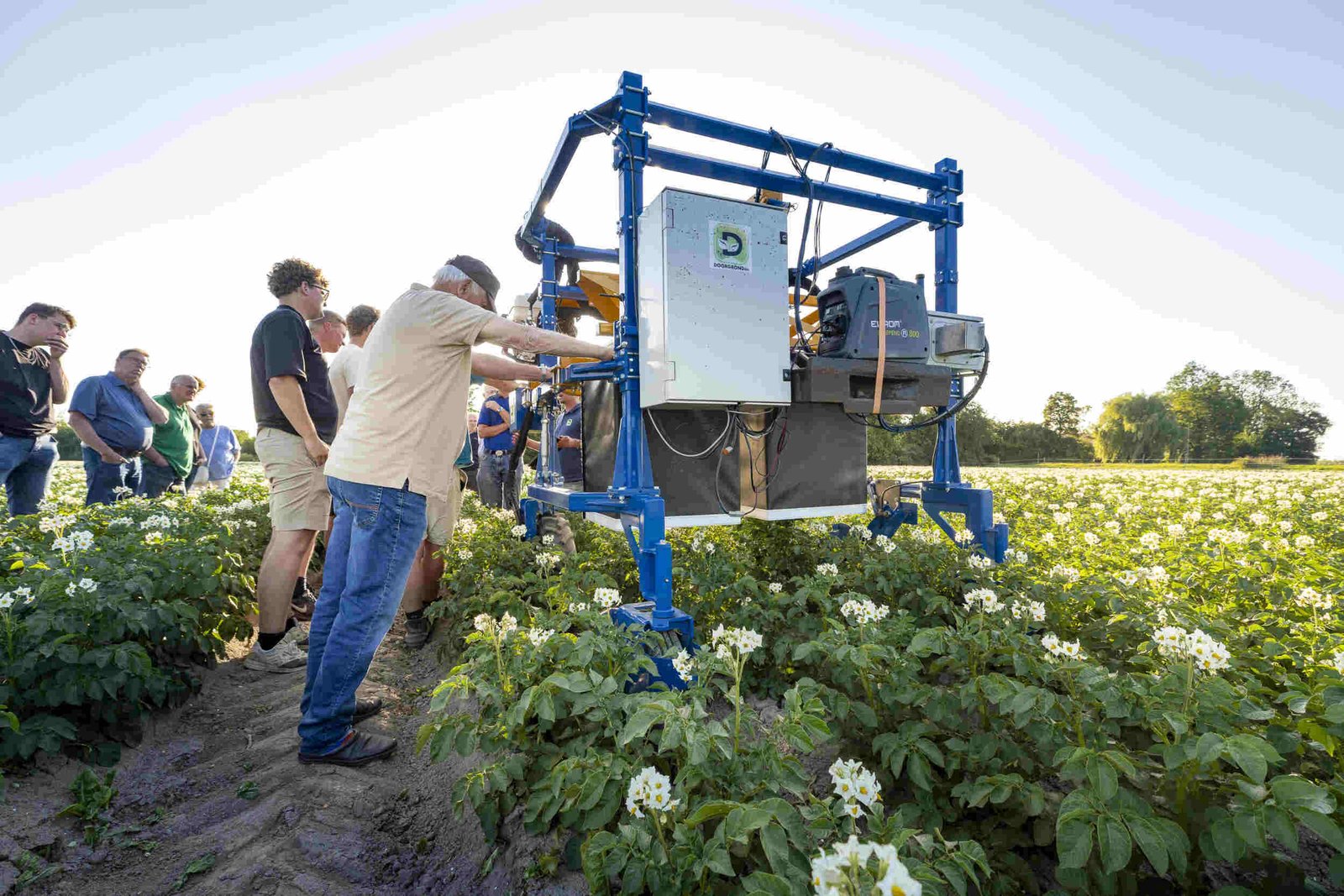
To support this transition, the government has announced an additional £53 million for the Farming Innovation Programme, taking total innovation funding for 2026 to £123 million. The investment will support research and commercialisation in areas such as agricultural robotics, precision farming, soil health and water management technologies.
The roadmap also promotes greater adoption of collaborative business models, including farmer cooperatives, to help producers reduce input costs, share investment risks and strengthen supply chain resilience through collective purchasing and marketing.
In addition, the government plans to review how the economic contribution of agriculture is measured. Working with the Office for National Statistics (ONS), it aims to develop supplementary indicators that capture the wider value generated across the food supply chain, including processing, manufacturing, distribution and retail, rather than relying solely on primary agricultural output.
The roadmap is expected to guide agricultural policy over the coming decades, supporting a more productive, climate-resilient and competitive farming sector while reinforcing England's long-term food security objectives.