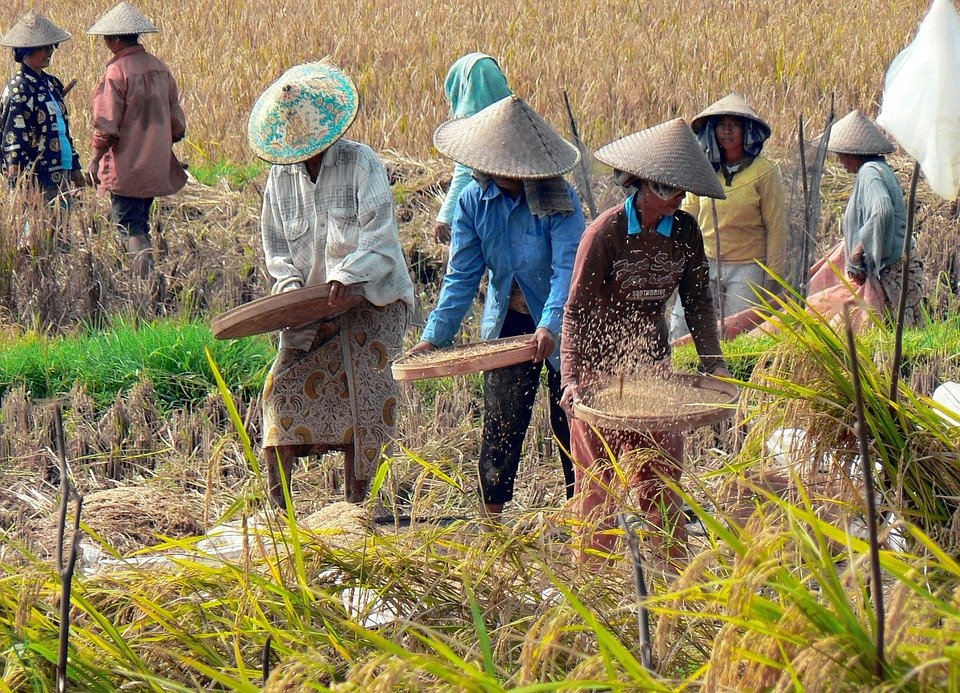
Indonesia has proposed exporting a minimum of 10,000 tons of rice to Singapore as the two Southeast Asian nations seek to deepen cooperation in food trade and strengthen regional food security.
The proposal was discussed during a bilateral meeting in Jakarta between Indonesia's Minister of Agriculture, Andi Amran Sulaiman, and Singapore's Minister for Sustainability and Environment, Grace Fu. The initiative forms part of broader efforts to expand agricultural trade and build a more resilient food partnership between the neighboring countries.
Beyond rice, Indonesia has signaled its intention to increase exports of several strategic agricultural commodities to Singapore, including poultry products, eggs, palm oil, coconuts and other food products that are in demand in the city-state.
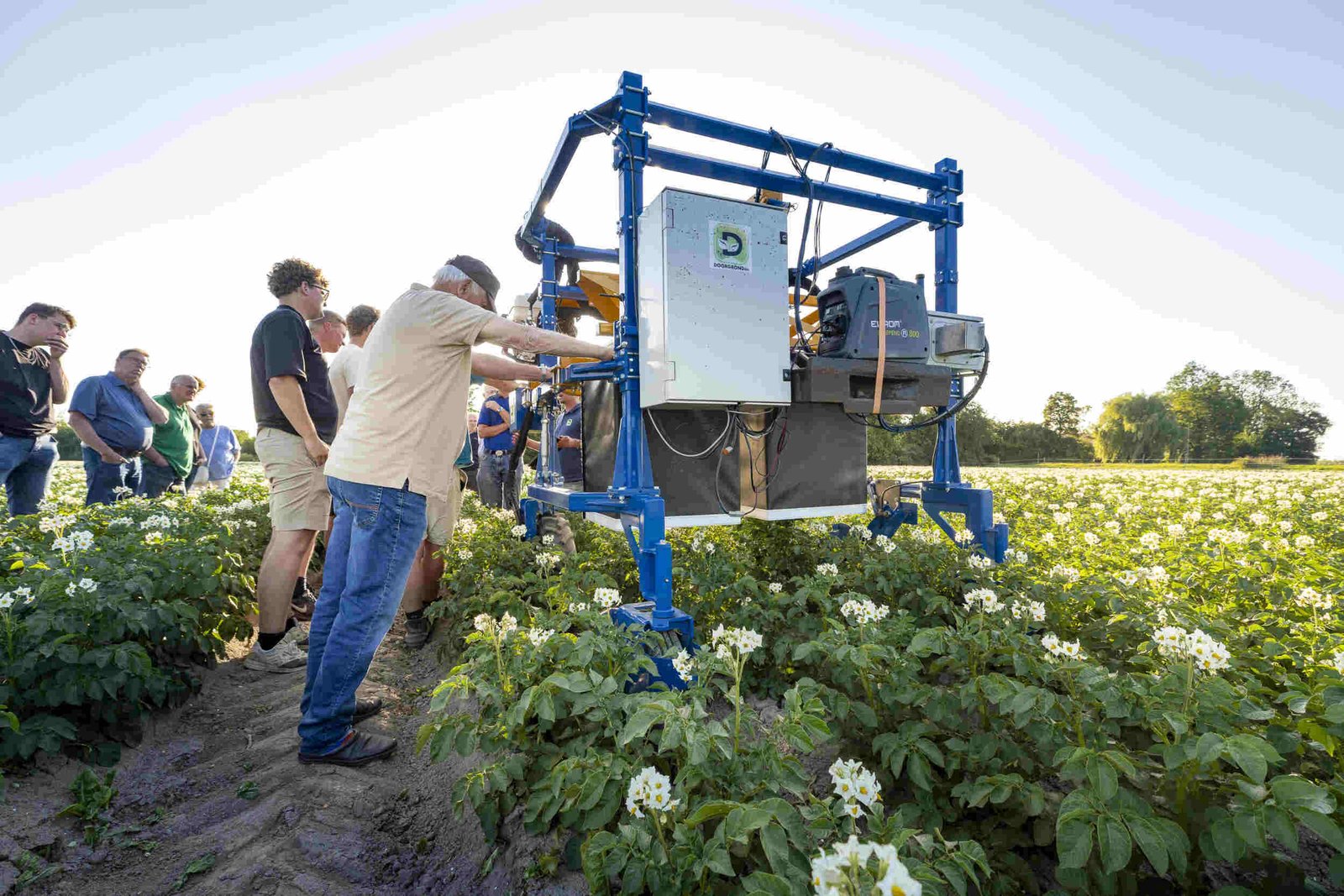
The two governments also agreed to explore greater collaboration in agricultural technology and innovation, recognizing the importance of modern farming practices and knowledge-sharing in strengthening regional food systems.
Indonesia's proposal comes at a time when the country is enjoying strong domestic rice production and historically high stock levels. Government rice reserves currently stand at approximately 5.1 million tons, providing authorities with confidence that export commitments can be fulfilled while maintaining domestic food security.
The country's storage infrastructure has been stretched by the surge in inventories, with state-owned logistics agency Bulog operating warehouses with a capacity of around 3 million tons and relying on additional rented facilities to accommodate the remaining stocks.
Rice exports to Singapore are not entirely new for Indonesia, as private-sector transactions have taken place in the past. However, the latest initiative seeks to institutionalize and expand the trade relationship through cooperation involving Indonesian state-owned enterprises and private partners in Singapore.
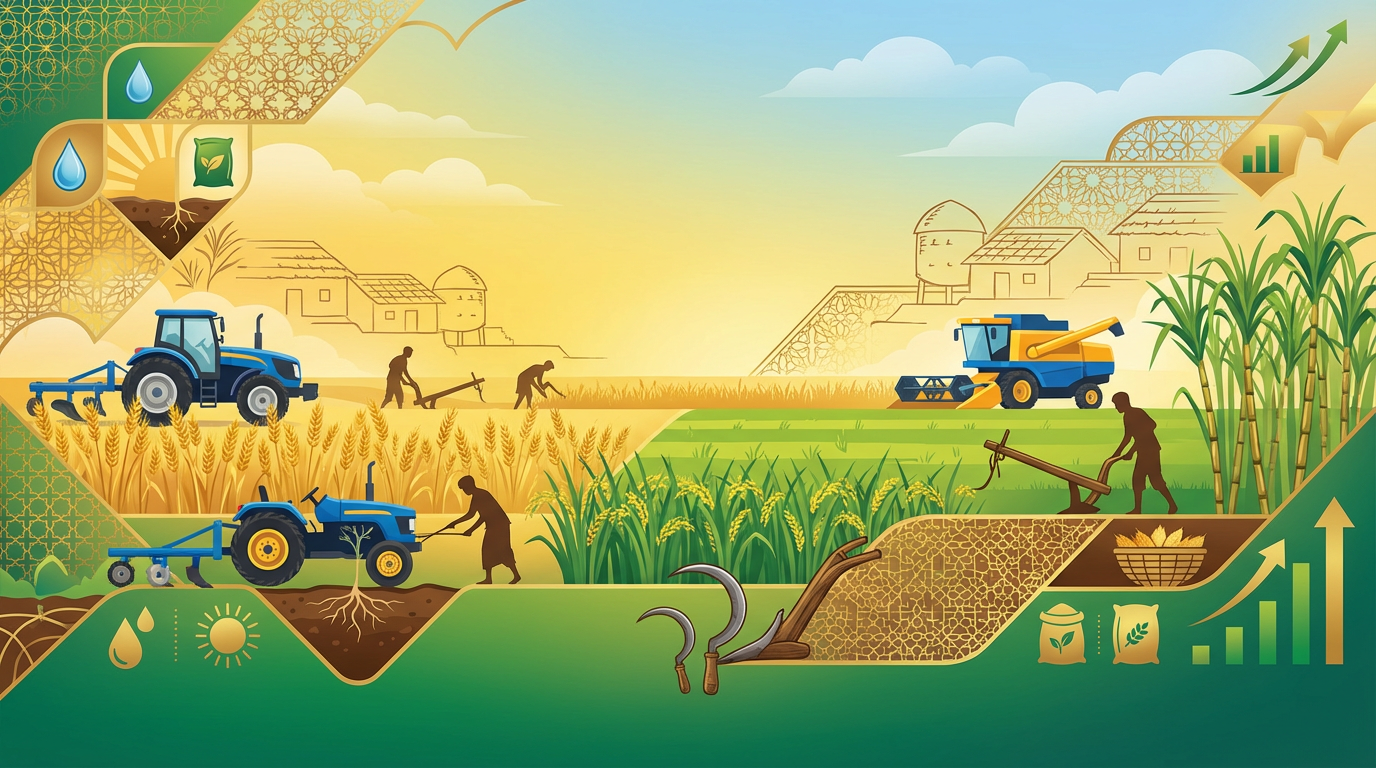
Singapore has welcomed discussions on expanding food imports from Indonesia, particularly as the island nation continues to depend heavily on overseas suppliers to meet its food requirements. Indonesia's growing agricultural production and investments in research, improved seed varieties, mechanization and farming technologies have enhanced its ability to emerge as a more significant supplier to regional markets.
Agricultural trade between the two countries has already reached substantial levels. Bilateral trade in agricultural commodities was valued at approximately USD 849.6 million in 2025, with Indonesia maintaining a trade surplus through exports of food and agricultural products.
Both governments view the proposed rice export arrangement as an opportunity to broaden market access for Indonesian producers while reinforcing food security cooperation in Southeast Asia. The initiative also highlights Indonesia's ambitions to leverage its agricultural strengths and rising production capacity to become a more prominent player in regional food supply chains.
As global food markets continue to grapple with supply disruptions and climate-related challenges, deeper agricultural cooperation between Indonesia and Singapore could provide a model for strengthening food resilience through regional partnerships and diversified sourcing strategies.