
Starbucks is pulling back from several of its environmental commitments as the coffee giant prioritises a $2 billion turnaround and responds to mounting operational and financial pressures.
The company has scaled back or removed targets to halve waste, water use and virgin plastic packaging, while also reassessing its central goal of cutting global greenhouse gas emissions by 50 per cent by 2030.
Starbucks said regulatory changes, evolving international standards and operational realities were prompting a review of its climate strategy.
The shift marks a significant change for a company that positioned itself as an early corporate leader in climate action. In 2020, Starbucks announced plans to become a “resource-positive” company, with 2030 targets covering emissions, water and waste.
The original plan called for a 50 per cent reduction in Scope 1, 2 and 3 greenhouse gas emissions from a 2019 baseline. Starbucks also committed to conserving or replenishing 50 per cent of water used in its direct operations and coffee production, while aiming to cut waste sent to landfills from its stores and manufacturing facilities by half.
The company now says it is reassessing the emissions target as it works to align its sustainability strategy with its financial and operational priorities.
“We are actively reassessing our 2030 greenhouse gas emissions target due to regulatory changes, evolving international standards, and ongoing operational realities,” Starbucks said in its impact report.
The retreat comes despite progress in parts of the company’s sustainability programme. Starbucks has reported sourcing 100 per cent renewable electricity for its company-operated stores globally and has expanded its LEED-certified store footprint to more than 13,000 locations.
The harder challenge has been the company’s value chain.
Scope 3 emissions, which cover activities across the supply chain and other indirect sources, account for roughly 96 per cent of Starbucks’ overall emissions footprint. Those emissions have risen about 8 per cent above 2019 levels, according to the company’s reported figures.
As a result, gains elsewhere have not been enough to put Starbucks on track for its original emissions ambition. Net emissions remain about 7 per cent above the 2019 baseline.
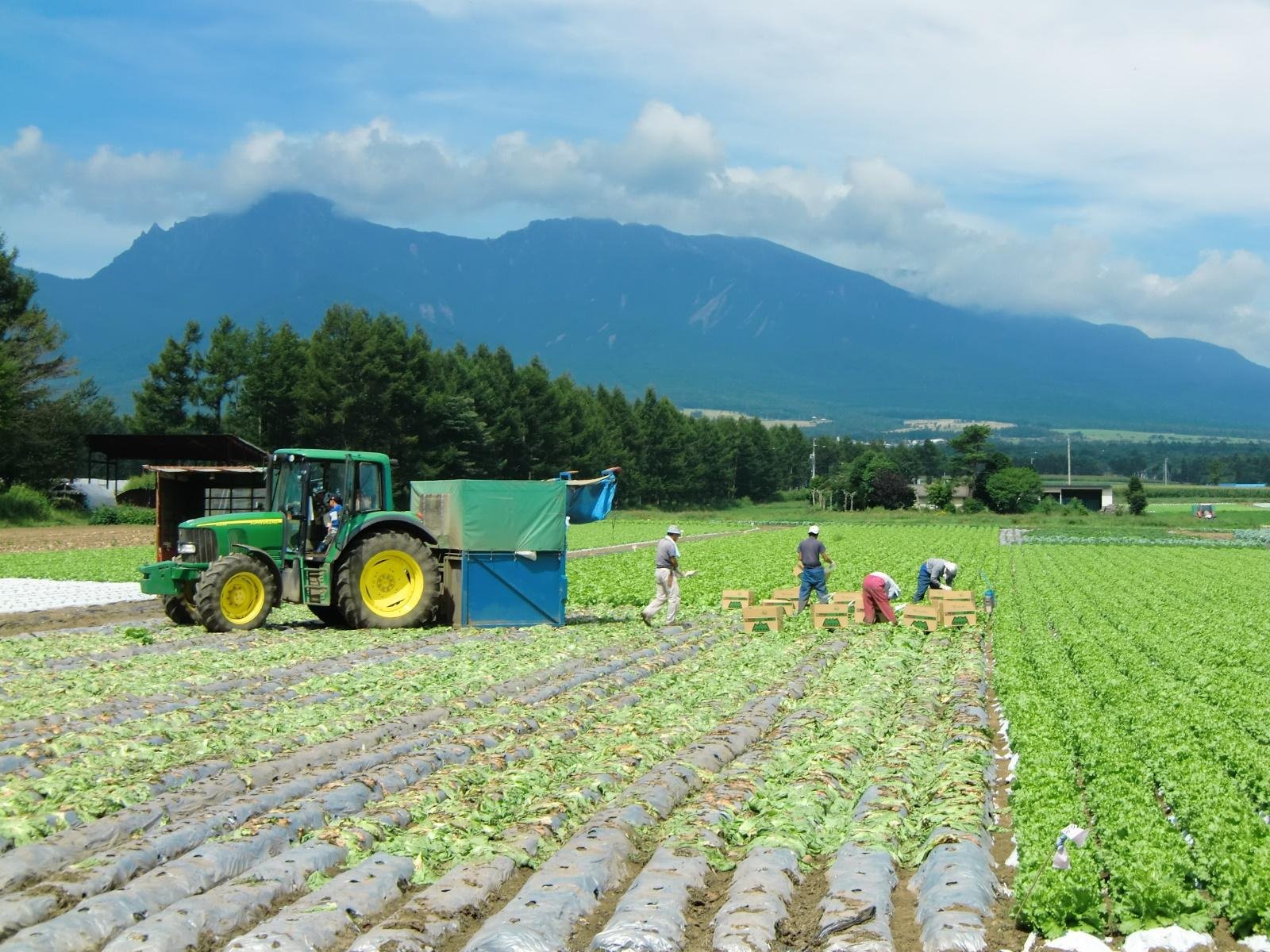
That gap highlights the difficulty for global consumer brands of reducing emissions beyond their own operations. Starbucks can improve the efficiency of its stores and shift electricity sourcing, but much of its environmental footprint sits deeper in its supply chain, including coffee production, packaging, logistics and other purchased goods and services.
The company is now expected to move towards a science-aligned sustainability framework, with further details anticipated in early 2027.
The timing reflects a broader change in corporate sustainability strategy. Companies that once set long-dated environmental targets are increasingly being forced to reconcile those commitments with higher costs, changing regulations and pressure to improve near-term financial performance.