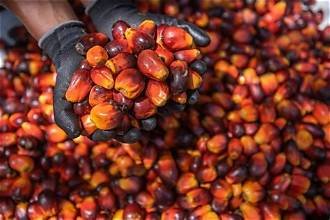
The scope for expanding palm oil production in Southeast Asia is narrowing, with land constraints, ageing plantations and rising domestic biofuel consumption reshaping the supply outlook in the world's two largest producing countries, Indonesia and Malaysia.
Together, the countries dominate global palm oil exports, making their production trajectories a critical determinant of international vegetable oil availability and prices. However, prospects for substantial additional output are becoming increasingly constrained, shifting the industry's growth priorities from plantation expansion to productivity improvements.
In Indonesia, palm oil production is expected to remain at around 45 million tonnes. The country's planted area is estimated at 14 million hectares, unchanged from the previous year, while yields are projected at 3.2 tonnes per hectare, slightly below the preceding year's level. With limited scope for bringing additional land under cultivation, improving productivity across existing plantations will become increasingly important.
Malaysia faces similar structural constraints. Its planted area is expected to increase marginally to 5.7 million hectares, but yields are forecast to decline slightly to 3.5 tonnes per hectare. The limited availability of new agricultural land is placing greater emphasis on replacing ageing oil palm stands with younger, more productive plantations.
Replanting, however, presents a near-term production challenge. Newly established oil palms take several years to reach their full yield potential, temporarily reducing output as older plantations are taken out of production. Over the medium to long term, successful replanting programmes could improve plantation productivity, stabilise yields and strengthen the industry's production base.
Indonesia faces a comparable productivity imperative. Future output growth will depend increasingly on the pace of plantation renewal, the adoption of improved planting material and advances in breeding that can raise yield potential without requiring additional land.
The supply equation is becoming more complex as both countries expand domestic consumption of palm oil through biodiesel blending programmes. Indonesia is pursuing a 50 per cent biodiesel blending mandate as part of its broader strategy to reduce dependence on diesel imports and conserve foreign exchange. Malaysia, meanwhile, is raising its regional blending requirements from 15 per cent to 20 per cent.
These policy shifts have implications extending well beyond domestic energy markets. Higher biodiesel consumption will absorb a larger share of locally produced palm oil, potentially reducing the volumes available for international trade even if overall harvests remain broadly stable.
According to the Agrarmarkt Informations-Gesellschaft (AMI), future growth in the palm oil sector will depend primarily on improvements in yields per hectare and the effectiveness of replanting programmes. Climate change will add another layer of uncertainty, influencing growing conditions and production stability across Southeast Asia's major cultivation belts.
For global buyers, refiners and the wider vegetable oil industry, the implications are significant. With limited opportunities for acreage expansion, production growth in Indonesia and Malaysia will increasingly depend on extracting greater productivity from existing plantations while accommodating rising domestic biodiesel demand.
The result could be a structurally tighter export market, leaving international palm oil supplies more exposed to weather disruptions, yield volatility and production shortfalls in the two countries that underpin global trade.