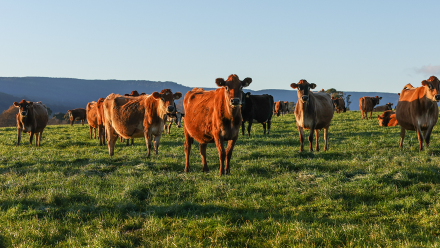
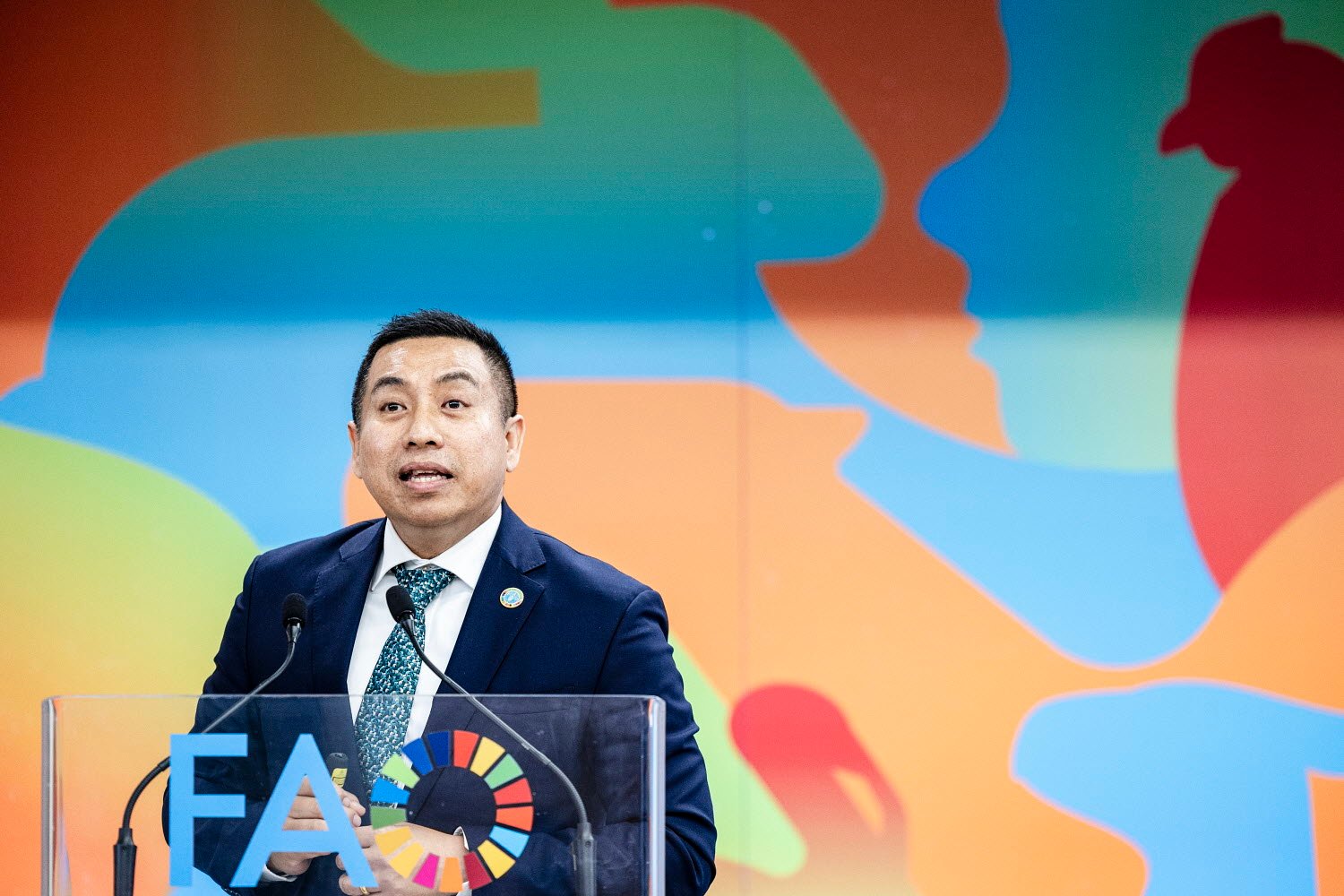
The re-emergence of New World Screwworm after decades of successful eradication is more than a livestock-health story; it is a test of how prepared the global food system is for biological risks that do not respect borders. What makes the episode particularly instructive is that the vulnerability is not simply biological, but institutional, exposing the consequences of weakened veterinary capacity, inadequate surveillance and gaps in preparedness. In this exclusive AgroSpectrum interview, Thanawat Tiensin, Assistant Director-General, Chief Veterinarian and Director of the Animal Production and Health Division at the FAO, examines the forces behind the pest’s resurgence and the lessons for countries confronting increasingly complex transboundary threats. His assessment places prevention at the centre of the response, arguing that veterinary services must be treated as critical infrastructure rather than as a cost that can be deferred until a crisis emerges. The conversation also brings economics into the biosecurity debate, highlighting how the cost of prevention must be weighed against losses to livestock, trade, livelihoods and food security when outbreaks take hold.
Equally significant is the role of technology, from sterile insect technique and advanced surveillance to artificial intelligence and biotechnology, in building a more precise and sustainable pest-control toolkit. Yet technology alone cannot compensate for fragmented governance or inadequate financing; effective biosecurity depends on sustained cross-border coordination, shared responsibility and the capacity to translate international frameworks into action on the ground. The return of the screwworm therefore offers a wider lesson for agriculture: in an era of climate variability, expanding trade and intensifying biological risks, resilience will depend less on how quickly the world responds to the next outbreak than on how seriously it invests in preventing one.
The re-emergence of New World Screwworm in North and Central America after more than four decades raises important questions about global biosecurity. Does this outbreak reflect a failure of surveillance systems, or does it signal that transboundary pests are becoming more difficult to contain in an era of climate change and globalized trade?
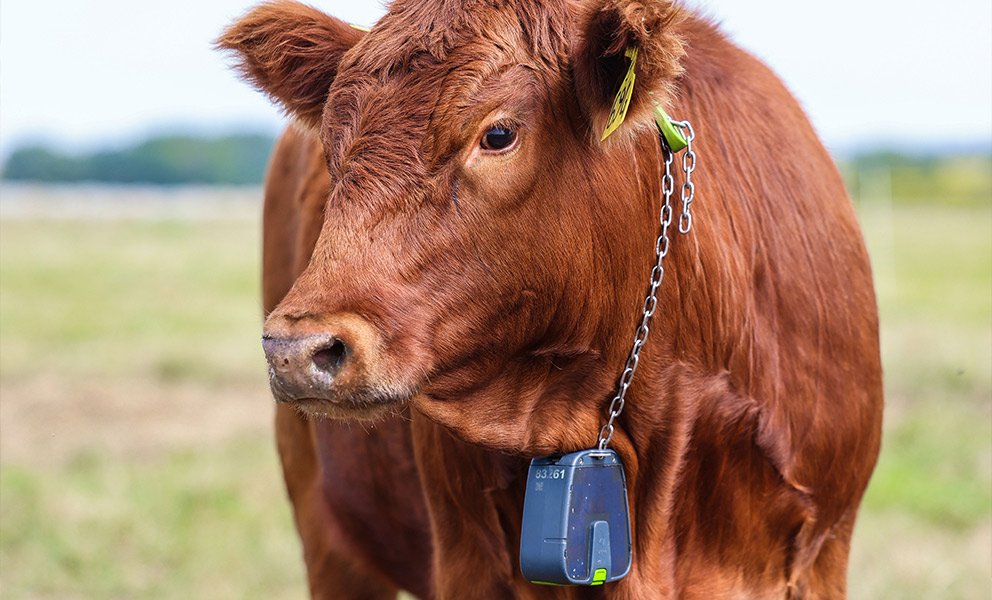
The situation around the emergence of New World screwworm, Cochliomyia hominivorax, in Central America was complex with many factors influencing the ability of this pest to spread back into previously free areas. Illegal and informal animal movements, combined with a lack of awareness of farmers to manage infestation risk after not seeing the pest for over 20 years, created an environment where the fly could spread rapidly. The lack of trained personnel in Veterinary Services affected the ability of countries to respond rapidly, despite repeated detections of the pest spreading northward.
While surveillance systems can and should continue to be improved, the chronic underfunding and diminished capacities of veterinary services in many countries is a more critical issue contributing to the spread of transboundary pests and diseases globally. A recent report from the World Organizsation of Animal Health noted that animal health receives as little as 0.6 per cent of global health spending despite dramatic increases in the need for food for a growing global population.
Concurrently, effective disease control globally needs innovation to be more cost-effective and sustainable. To address this need, IAEA and FAO have launched a new coordinated research project, which aims to contribute to enhancing the response to the ongoing NWS emergency affecting Central America, Mexico and the United States and the continuous support to the NWS management in endemic countries in South America and the Caribbean. The research will also focus on advancing surveillance and control techniques including sterile insect technique (SIT) against the NWS.
Special emphasis will be made on increasing the sensitivity of surveillance methods through development and testing of more potent attractants, developing novel mating compatibility and sterility induction measurement techniques, including the artificial wound, and assessing alternative irradiation methods These innovations, combined with education, outreach and community-based actions can help bring this pest under control.
The original eradication campaign against New World Screwworm is often cited as one of the most successful examples of international pest control. What lessons from that 45-year effort remain relevant today, and what has fundamentally changed in the risk environment since eradication was achieved?
Many of the lessons learned during the eradication of NWS remain relevant today including the need for sustained cross-border coordination of surveillance and control efforts; engagement of all stakeholders including small shareholders, pet owners, and private veterinarians to detect and control the pest; and the need for sustained funding for both control and communication/outreach activities in each country. Integrating research and innovation into the control process was also critical for its success, with the original campaign supported by a strong methods development unit. The use of a dedicated commission to help coordinate the effort, monitor the effectiveness, and adjust the strategy as needed is a best practice that can be replicated to address other transboundary disease challenges.
However, as you point out, biological risks are always changing. Over the past 45 years, the UN estimates that Central America's population has more than doubled, growing from roughly 85 million in 1980 to over 186 million today. This has been accompanied by a shift from predominantly rural to an overwhelmingly urban population. These shifts have cascading impacts on how and where food is produced, the demographics of rural communities, and the availability of funding to support animal health. At the same time, the flies themselves have continued to evolve, impacting the effectiveness of control and surveillance tools. Addressing these shifts, both in terms of the changing population and the need for innovation in surveillance and control, will be critical to reducing the impacts of the pest.
The economic benefits of previous eradication efforts were estimated at more than US$1.3 billion annually. How should governments evaluate the cost of prevention [RC1] versus the cost of inaction when it comes to transboundary livestock pests that may remain invisible until outbreaks occur?
Governments should evaluate prevention as an investment rather than a cost. This requires bringing together multidisciplinary expertise, including animal health, economics, public health, environmental science, and social sciences, and applying a One Health approach to capture the full range of risks and benefits.
A risk-based approach is essential to optimize the use of limited resources. Governments should compare the cost of preventive measures, such as surveillance, biosecurity, preparedness, and early warning systems, with the potential economic, social, and environmental consequences of an outbreak. These consequences often extend well beyond the livestock sector, affecting trade, food security, livelihoods, public health, and related industries.
Particular attention should be given to understanding who bears the costs of an outbreak. Small-scale livestock keepers, women, and vulnerable rural communities are often disproportionately affected and may have the least capacity to recover. The evidence consistently shows that prevention and preparedness are far more cost-effective than responding once an outbreak has occurred.
Climate variability, shifting ecosystems and increased movement of animals are reshaping disease and pest dynamics worldwide. To what extent should countries begin treating livestock pest outbreaks as strategic food-security risks rather than simply animal-health issues?
Pest and disease outbreaks can have devasting impacts on food security, particularly when they occur in combination with environmental or societal stressors. We also know that the relationship between pests, diseases, and climate change are highly cyclical, meaning that impacts can intensify over time. FAO has focused on advancing the sustainable production of food to help countries address these risks holistically and in partnership with the key stakeholders both involved in and impacted by food security. Countries need to increasingly be able to rapidly assess risks, discuss tradeoffs, and identify cost-effective solutions to safeguard food security.
The Sterile Insect Technique has been described as one of the most successful applications of nuclear science in agriculture. In an era increasingly dominated by biotechnology, artificial intelligence and gene editing, where does SIT fit within the future toolkit of integrated pest management ?
The Sterile Insect Technique, supported globally by the Joint FAO/IAEA Centre of Nuclear Techniques in Food and Agriculture through applied research, capacity building and technology transfer, is still one of the most environmentally friendly area-wide pest control techniques available, capable of reducing insecticide application by more than 90 per cent in some cases (e.g the case of codling moth in Canada or Mediterranean fruit fly in Spain).
The SIT’s effectiveness is consistently enhanced with incorporation of biotechnological advances, such as the use of new female-biased attractants, leveraging artificial intelligence for sex sorting insects at the pupal stage to increase production of sterile males, and genetic based approaches to optimize production with the introduction of Genetic Sexing Strains. SIT is a key tool for the future that will continue to take advantage of advances in these other areas.
The current outbreak has exposed a significant gap in global sterile-fly production capacity. Does this reveal a broader vulnerability in international preparedness systems, where critical scientific infrastructure is often maintained only until a crisis reemerges ?
Mass production of sterile flies depends not only on infrastructure but also on the labor needed to raise millions of insects. While it is not sustainable to maintain idle facilities at full production, countries need to take into account the timelines needed to build or expand production if needed.
Finding the right balance in the face of changing risks is never easy, but investing in the underlying surveillance and early warning systems can provide countries with the information needed to make strategic decisions on the capacities they may need to maintain and how and when to scale, while understanding shared risks may help countries partner and share costs.
Many livestock producers view animal diseases and pests primarily as operational challenges. How can policymakers better communicate the wider implications of outbreaks such as New World Screwworm for food security, rural livelihoods, trade flows and national economies ?
Part of the challenge in communicating around these broader impacts is that they are often not clearly known or understood. Creating opportunities for two-way exchanges of information between policy makers and agricultural stakeholders can help increase understanding of the full implications of disease outbreaks, while conducting the analyses needed to describe impacts in a way that is clear to different audiences can be critical to developing shared understanding of priorities and needs. Clear messages tailored to the different target audiences are more effective in driving action and strengthening engagement of all stakeholders.
However, policymakers must be careful and avoid putting the whole burden of disease and pest control on producers, particularly small holders whose vulnerability and limited financial capacities may constrain their ability to act. Diseases like New World Sscrewworm highlight how far reaching the effects of these pests can be, and the need for everyone to take responsibility for prevention and control. This includes pet owners, wildlife managers, livestock producers, and the general public.
Speaking more generally for transboundary diseases, stopping losses is most possible when roles and responsibilities for all relevant stakeholders are agreed and disease prevention is promoted as a shared responsibility. Economic evaluations, when properly conducted, can provide information to facilitate the dialogues needed to achieve disease prevention goals
As agricultural systems become more interconnected, are existing international frameworks for monitoring and managing transboundary animal pests sufficiently coordinated, or is there a need for a new generation of global biosecurity governance mechanisms ?
Over the last decades, a lot of progress has been achieved in developing coherent international frameworks for coordinated efforts to address transboundary animal diseases. The main challenge now is translating those frameworks into concrete action. To achieve this, political will and financial resources are needed. New governance mechanisms can contribute to these efforts but must incorporate principles of solidarity and equity while recognizing regional and national realities.
New governance mechanisms must build on existing frameworks [RC2] and ongoing efforts, integrating lessons learned to revamp collaboration and partnerships between public and private sectors. To be effective, governance mechanisms must align incentives towards common goals and mobilize resources for public goods, which tend to be underfunded by market forces alone.
Specific to biosecurity, frameworks must account for the large diversity of livestock production systems and recognize that one-size-fits-none. Progressive pathways to strengthen biosecurity and establish accreditation or certification systems that are internationally recognized must be accompanied by investments and capacity building programmes to support stakeholders to meet national and then international standards. Otherwise, rigid frameworks can lead to frustration, divisions, and push segments of the livestock value chain into the informal sector. This risk is particularly prevalent in low-income settings with limited capacity to enforce regulations.
Looking ahead, what should success look like over the next decade: the containment of the current outbreak, the establishment of permanent regional barriers, the expansion of sterile insect production capacity, or the creation of a more predictive and resilient global animal-health surveillance system ?
These are all great goals for success moving forward. At FAO, we know that each country needs to define success in their own way, and we encourage them to consider how this challenge can create an opportunity to improve the resilience and sustainability of their agrifood systems. We also understand that every emergency, including disease outbreaks, is ultimately a local emergency that must be successfully addressed within a community. It is the accumulation of those successes that makes disease control possible.
Solutions need to be designed to address these risks from the local to the global level if we are going to successful in feeding the world’s population. Specifically, regarding NWS, we want the next decade to be an era where farmers and animal owners are empowered to prevent health losses, provide appropriate care, and have access to veterinary care and information when needed. We believe that Veterinary Services are key partners and allies in stopping the impacts of NWS, and that together, we can transform livestock production to the benefit of countries, farmers, and food security.
The New World Screwworm outbreak is a reminder that threats once considered eradicated can return unexpectedly. What does this episode teach us about the future of global agrifood resilience, and are governments investing enough in prevention compared to emergency response ?
As we mentioned before, animal health remains an area of chronic underfunding both in terms of prevention and emergency response. Pests and diseases will continue to challenge agrifood systems that are critical for feeding a growing global population, and focusing on holistic solutions that balance competing needs and diverse stakeholders will remain critical. But, if -as FAO- we can contribute to holistic approaches redefining the way animal health is tackled at field level, supporting farmers in adopting best practices based on prevention and early response through trustful partnerships with governments and other stakeholders, we will be preparing the system to withstand the next emergency that may come.
— Suchetana Choudhury (suchetana.choudhuri@agrospectrumindia.com)