Nigeria is looking to deepen its agricultural cooperation with Thailand as policymakers and research institutions increasingly turn to international partnerships to accelerate technology adoption, strengthen research capacity and improve food production.
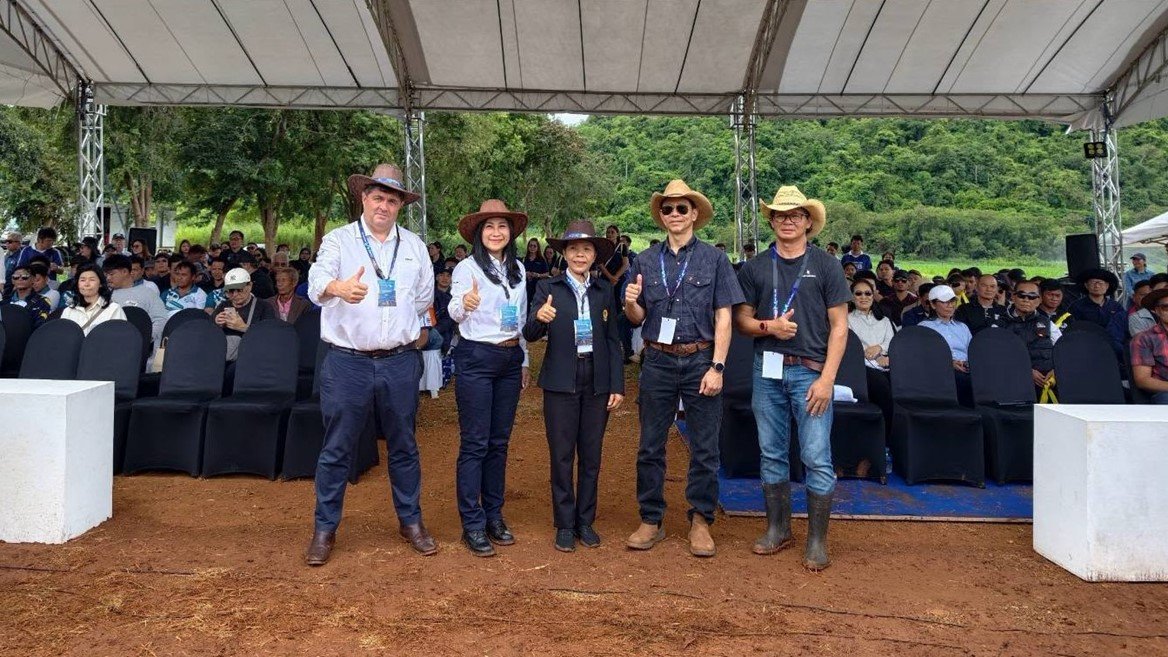
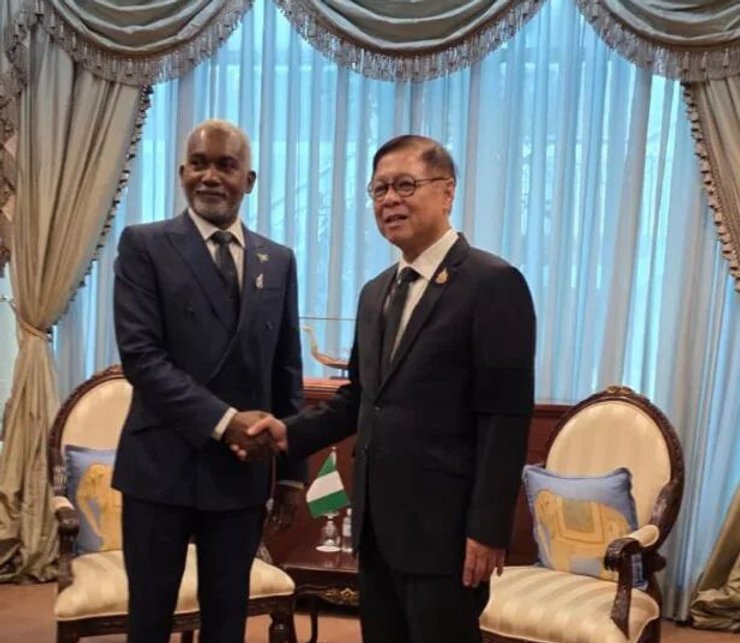
At the signing of a memorandum of understanding and the launch of the Thailand International Cooperation Agency (TICA) initiative in Lagos, Dr. Dabban, Executive Secretary of the Agricultural Research Council of Nigeria (ARCN), said international collaboration would be critical to helping Nigeria address some of the structural challenges facing its agriculture sector.
He highlighted knowledge sharing, access to modern technologies, joint research and human-capacity development as key areas where stronger international partnerships could deliver practical benefits.
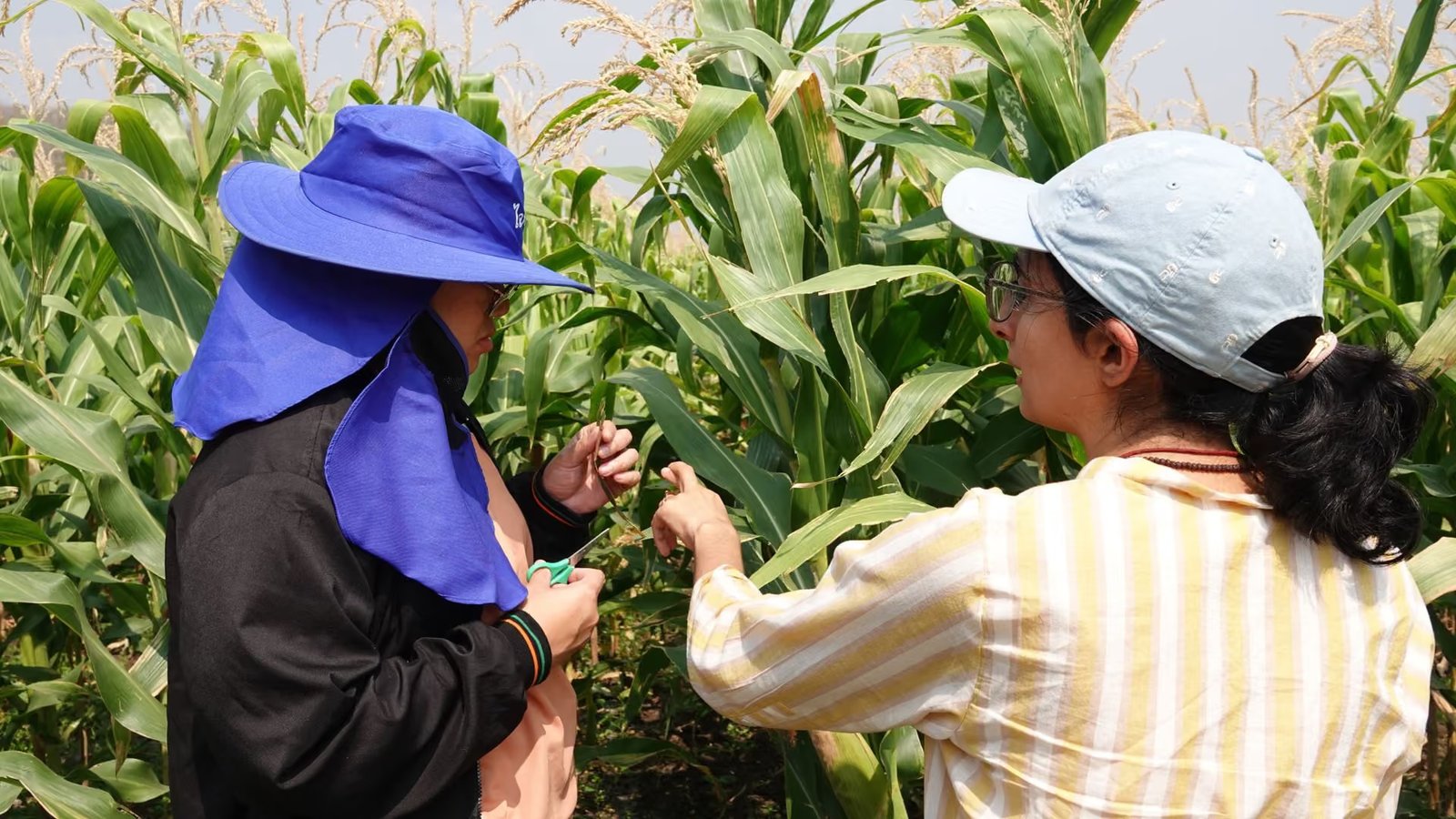
The proposed Nigeria-Thailand collaboration is expected to create opportunities for researchers, farmers and other agricultural stakeholders to gain exposure to new technologies, production methods and approaches to agricultural development. The focus is not simply on exchanging knowledge, but on translating that knowledge into solutions that can be applied within Nigeria's farming systems.
For ARCN, the partnership also fits into a broader effort to strengthen the connection between agricultural research, innovation and technology transfer. Dr. Dabban reaffirmed the council's willingness to support collaborations that can generate practical technologies and contribute to Nigeria's wider food-security objectives.
The initiative comes as Nigeria faces the challenge of raising agricultural productivity while building greater resilience across its food system. That makes partnerships capable of bringing together research expertise, technology and local implementation increasingly important.
Dr. Jude Ejikeme Obidiegwu, Provost and Chief Executive Officer of the Federal Cooperative College, Oji River, Enugu State, outlined the wider reach of the collaboration, stressing that its impact is intended to extend beyond research institutions.
The programme is expected to engage host communities, students, farmers, cooperative societies, private-sector participants and innovators, creating a broader platform for agricultural knowledge and enterprise development.
In his presentation, titled “Insights into the Thai-Nigeria Collaborative Framework,” Dr. Obidiegwu also traced the development of the relationship between Nigeria and Thailand, highlighting the engagement and communication that helped lay the groundwork for the current initiative.
The emphasis on cooperatives and communities is significant because technology transfer rarely succeeds through research institutions alone. Farmers and local organisations need access to knowledge, training, financing, market connections and technologies that can be integrated into existing production systems.
The collaboration therefore has the potential to extend beyond conventional research partnerships into agricultural entrepreneurship and grassroots capacity building.
For Nigeria, the opportunity lies in adapting international experience to domestic agricultural realities. Thailand has developed expertise across several areas of agriculture, including technology-enabled production, farmer organisation and value-chain development. A structured exchange could help Nigerian institutions assess which approaches can be adapted to local conditions.
The partnership also places technology transfer alongside research as a central pillar. Rather than keeping innovations within laboratories and academic institutions, the objective is to create pathways through which technologies and knowledge can reach farmers, businesses and other users.
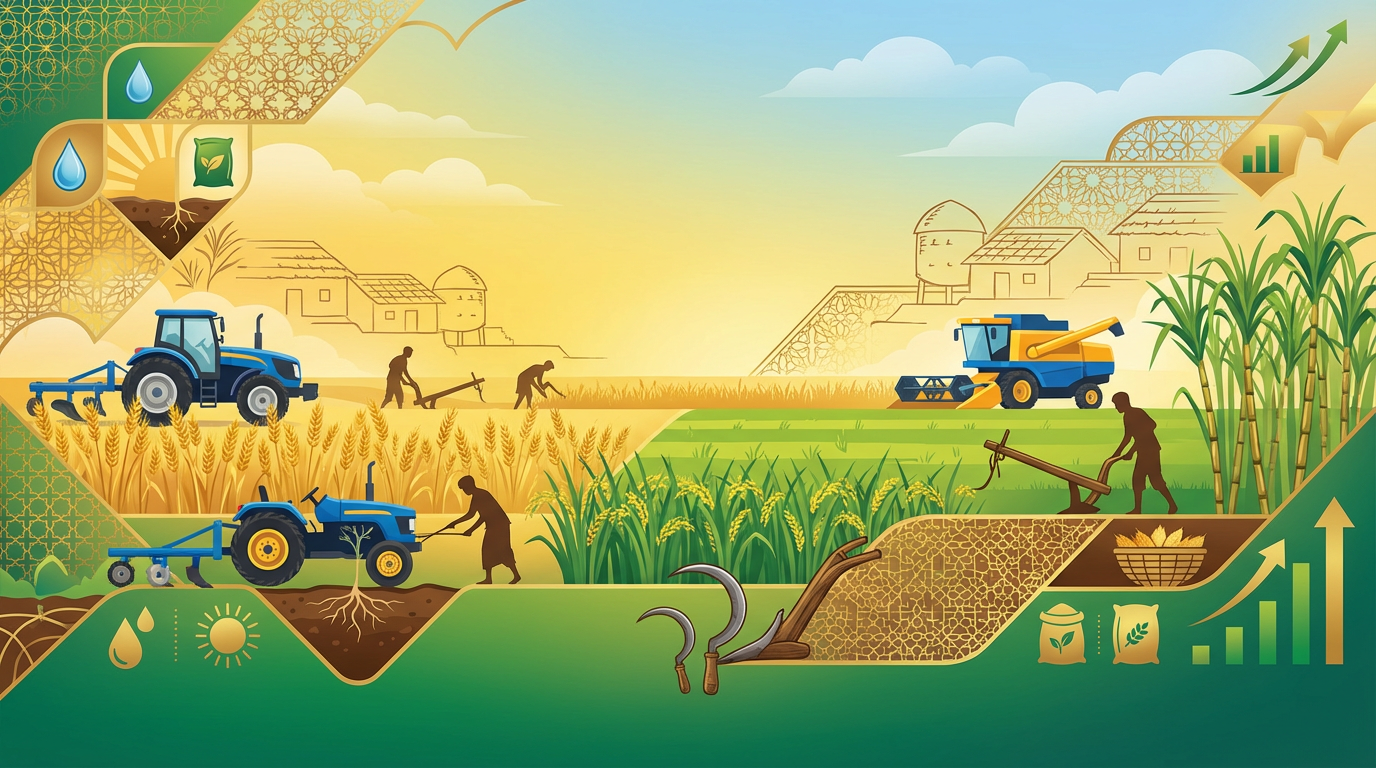
That could become increasingly important as Nigeria seeks to improve productivity without relying solely on expanding cultivated land. Better technologies, stronger research systems and more capable human resources can help raise output while improving the efficiency and resilience of agricultural production.
The TICA launch and the signing of the MoU consequently represent more than a diplomatic engagement. They establish a framework for connecting Nigerian and Thai institutions around shared agricultural priorities and creating channels for longer-term cooperation.
The initiative also aligns with the Nigerian government's broader food-security agenda under President Bola Ahmed Tinubu, particularly efforts to strengthen domestic agricultural production and improve the capacity of the sector to respond to changing economic and environmental conditions.
The focus on agricultural entrepreneurship adds another dimension to the partnership. Developing new technologies is only part of the challenge; turning innovations into businesses, services and commercially viable solutions can determine whether they achieve meaningful scale.
By bringing researchers together with farmers, cooperatives, students, innovators and private-sector actors, the partnership could help create a more connected agricultural innovation ecosystem.
The immediate task will be converting the framework into measurable outcomes. That will require sustained research cooperation, practical training, technology deployment and mechanisms for evaluating how successfully innovations perform under Nigerian conditions.
If that connection can be established, the Nigeria-Thailand partnership could provide a useful model for how international cooperation can move beyond institutional agreements and deliver tangible benefits across the agricultural value chain.
For Nigeria, the strategic objective is straightforward: build stronger research capabilities, accelerate technology adoption, develop agricultural talent and create more productive pathways from innovation to the farm.
The success of the initiative will ultimately depend on how effectively those ambitions are translated into projects that improve productivity, strengthen agricultural businesses and expand opportunities for the people and communities that depend on the sector.
In that sense, the Nigeria-Thailand collaboration is positioning international cooperation not as an end in itself, but as a tool for building a more productive, resilient, technology-driven and food-secure agricultural economy.