The Philippines is making a significant push to modernize its fisheries infrastructure after the Philippine Fisheries Development Authority (PFDA) approved a ₱1.6 billion investment package aimed at upgrading critical fish port facilities, improving food distribution networks and strengthening the country's long-term food security strategy.
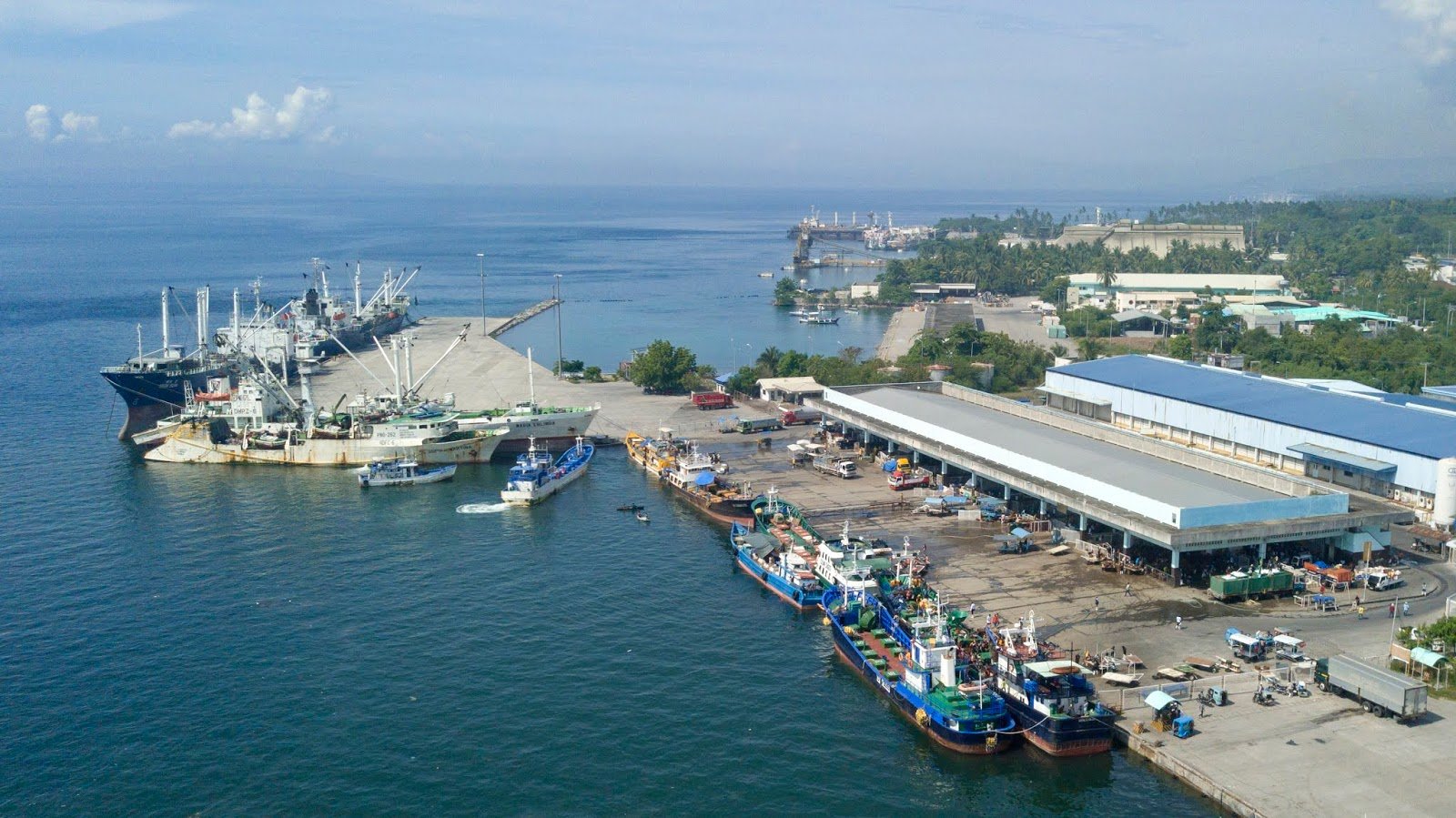
Approved by the PFDA Board chaired by Agriculture Secretary Francisco Tiu Laurel Jr., the investment program combines large-scale modernization of the Navotas Fish Port Complex (NFPC)—the country's largest fish trading hub—with the construction of a new modern fish port in San Vicente, Palawan, a region that plays a critical role in the nation’s fisheries economy.
The infrastructure initiative reflects a growing recognition among policymakers that food affordability and supply stability depend not only on increasing production but also on strengthening post-harvest infrastructure, logistics efficiency and market access.
At the heart of the modernization program is the next phase of the PFDA-NFPC redevelopment plan. The approved projects include the rehabilitation and upgrading of Market Halls 1 and 2 under Phase III of the modernization program, alongside Phase II of the NFPC Shipyard Development Project. Together, the projects are expected to significantly improve fish handling, trading operations and vessel support services at the sprawling Navotas complex.
According to PFDA Acting General Manager Glen A. Pangapalan, the upgrades will expand the operational footprint of the Navotas complex by nearly 25 hectares, further enhancing its capacity to serve one of Southeast Asia’s busiest fisheries trading centers.
The scale of the facility’s economic impact is already substantial. The fish port directly supports around 30,000 livelihoods, with beneficiary numbers rising to nearly 50,000 during peak fishing seasons. Beyond those directly involved in fisheries operations, millions of consumers across Metro Manila depend on the complex for a steady supply of fresh seafood.
The modernization program is also being positioned as part of a broader transformation of the Navotas complex into a multi-commodity trading hub. Agriculture Secretary Tiu Laurel outlined plans to leverage the port’s existing network of traders and buyers to facilitate direct market access for agricultural producers, helping shorten supply chains and improve returns for farmers and fisherfolk.
The vision includes the future development of a dedicated agricultural trading zone within the complex, allowing producers from regions such as Lubang and other agricultural areas to connect directly with institutional buyers and wholesale markets operating in Navotas.
Beyond the capital region, the PFDA has approved the construction of the San Vicente Modern Fish Port in Palawan, a strategic investment expected to strengthen fisheries infrastructure in one of the country's most productive fishing regions.
The project is designed to improve fish landing, handling, storage, marketing and post-harvest operations, addressing long-standing infrastructure gaps that have constrained value creation within the fisheries sector.
PFDA estimates that the new facility will directly benefit more than 2,000 individuals while indirectly supporting over 20,000 stakeholders across the fisheries value chain. A significant proportion of beneficiaries will be municipal fisherfolk operating in the West Philippine Sea, particularly those from northern and western Palawan whose livelihoods are heavily dependent on fishing activities.
By providing access to modern landing and storage facilities, the project is expected to reduce post-harvest losses, improve product quality and increase the commercial value of fish catches, ultimately boosting incomes for coastal communities.
Implementation timelines have already been established. Phase II of the Navotas modernization project is scheduled for completion by December 2026, while Phase III is targeted for completion by June 2027. The San Vicente fish port project is expected to be operational by 2028.
The investment program also signals a longer-term commitment to expanding the country’s fisheries infrastructure. Tiu Laurel has called for further upgrades to Market Halls 3 to 7, improvements to road and parking facilities, the development of a welcome center, and additional expansion into the northern and northeastern sections of the Navotas complex.
As governments across Asia increasingly focus on food system resilience, cold-chain development and supply chain modernization, the Philippines’ latest fisheries infrastructure initiative highlights how strategic investments beyond farm and fishing operations can play a decisive role in improving food security, stabilizing prices and enhancing competitiveness across the seafood value chain.
For the Philippines, the ₱1.6 billion modernization drive represents more than a construction program—it is a long-term investment in building a more efficient, inclusive and resilient fisheries economy capable of supporting both producers and consumers in the years ahead.