The Philippine Fisheries Development Authority (PFDA) has approved a P1.6 billion ($28 million) infrastructure investment program aimed at modernizing the country’s fisheries logistics network, improving seafood distribution efficiency, and strengthening national food security.
The initiative includes major upgrades to the aging Navotas Fish Port Complex (NFPC), the country’s largest fish trading hub, alongside the construction of a new modern fish port in San Vicente, Palawan. The projects were approved by the PFDA Board as part of a broader effort to enhance post-harvest infrastructure, reduce supply chain inefficiencies, and improve market access for fisherfolk.
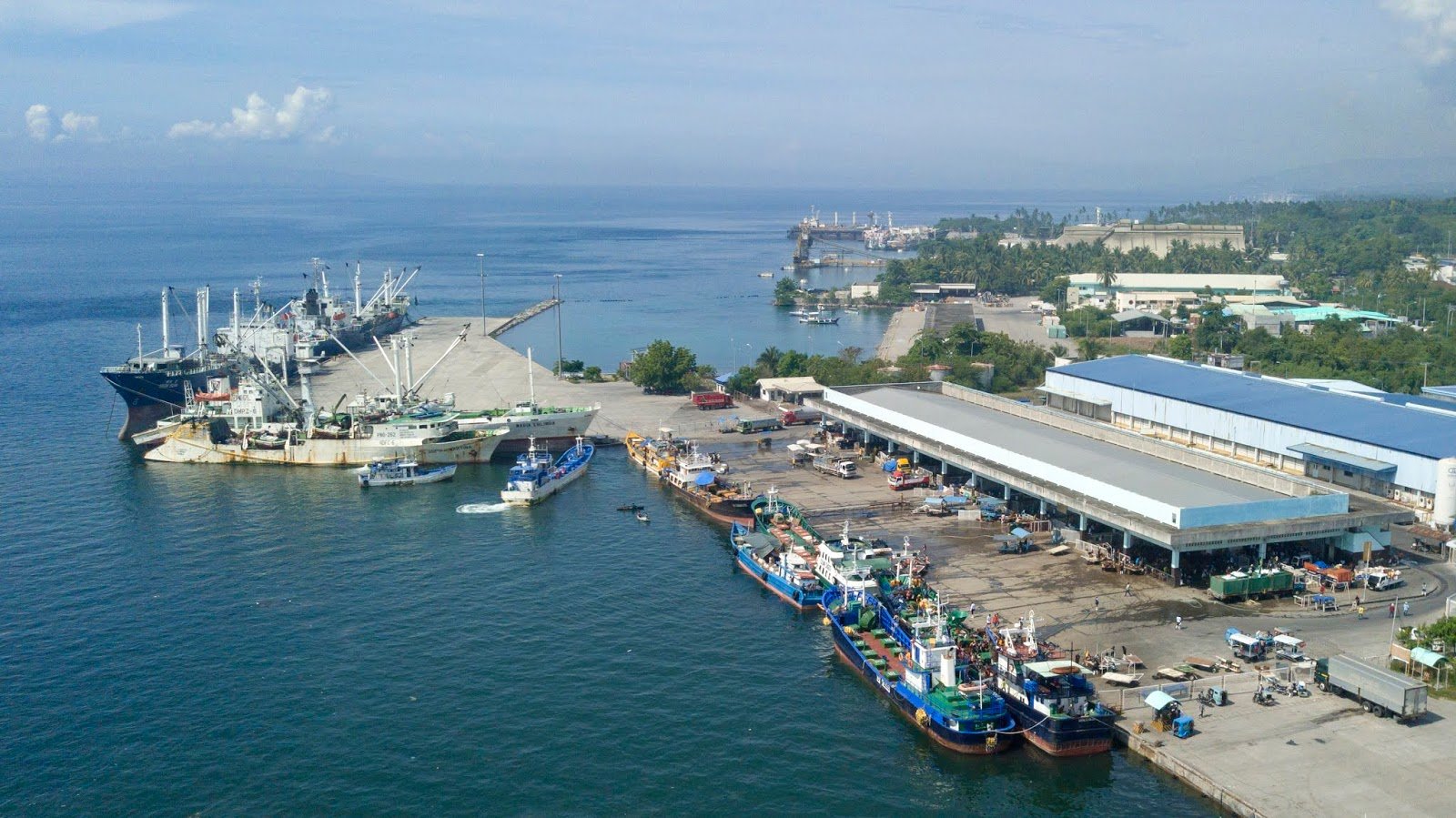
A significant portion of the investment will be directed toward the continued modernization of Navotas Fish Port through the rehabilitation of market halls, facility upgrades, and the expansion of shipyard infrastructure. The modernization program is expected to increase the operational footprint of the complex by nearly 25 hectares, reinforcing its role as a critical distribution center serving Metro Manila and surrounding regions.
Authorities estimate that tens of thousands of workers directly depend on the Navotas complex, while millions of consumers benefit from the steady supply of fresh seafood distributed through the facility. Upgraded infrastructure is expected to improve handling efficiency, support higher trading volumes, and reduce post-harvest losses across the fisheries value chain.
The Board also approved the development of the San Vicente Modern Fish Port in Palawan, a project designed to strengthen fish landing, handling, storage, and marketing operations in one of the country’s most important fishing regions. The facility is expected to support municipal fisherfolk operating in the West Philippine Sea while creating new economic opportunities across the local fisheries sector.
The investment reflects the government’s growing focus on logistics and market infrastructure as key drivers of food affordability and supply chain resilience. By modernizing fish ports and improving market connectivity, the Philippines aims to enhance producer incomes, reduce food losses, and build a more efficient seafood distribution system capable of supporting long-term food security goals.