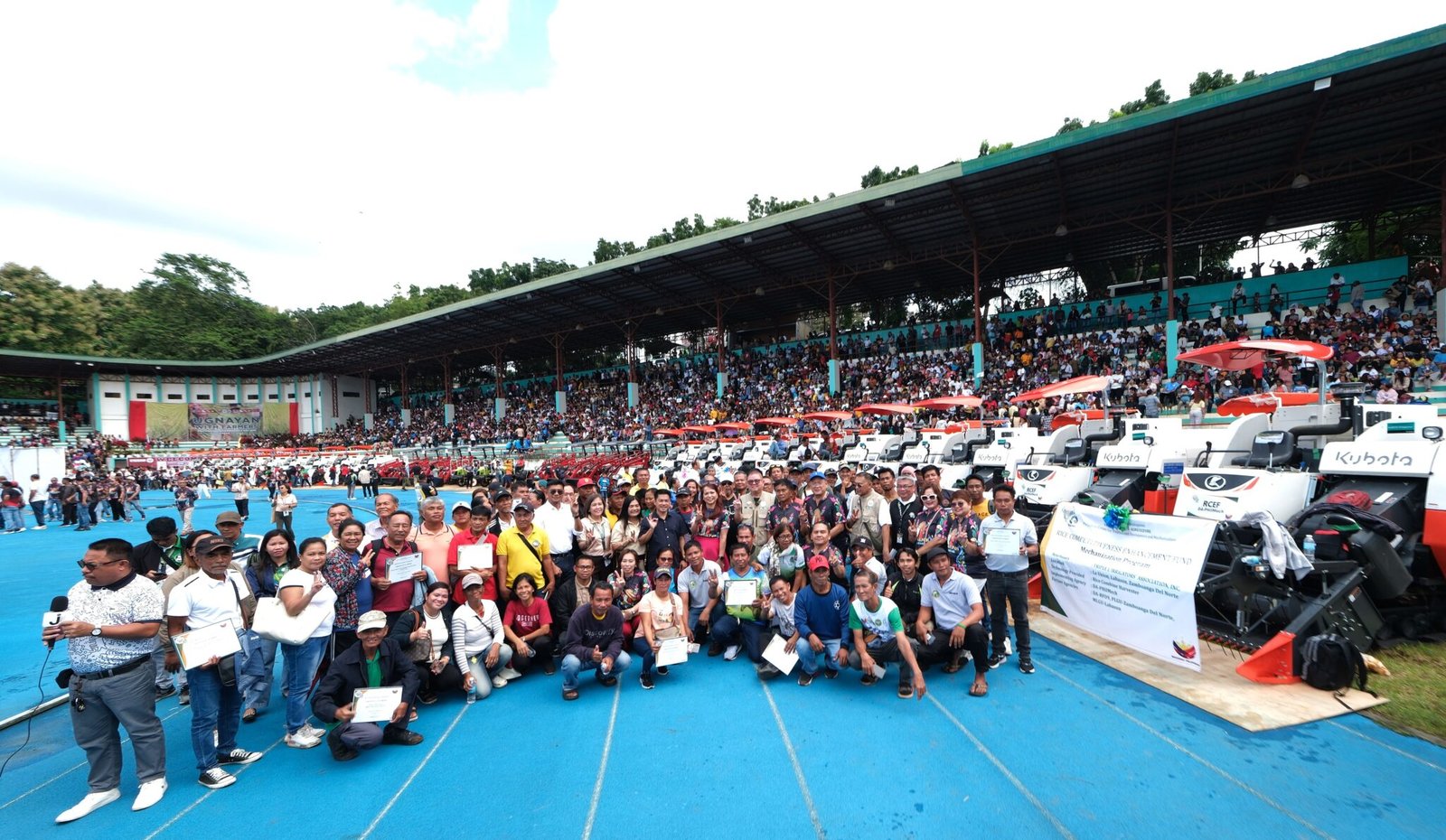
The Philippine Center for Postharvest Development and Mechanization (PhilMech) has intensified the country's agricultural modernization programme by deploying more than 1,700 farm machines during the first half of 2026, advancing the Philippines' transition towards a more mechanized, productive and resilient rice sector. Backed by the Rice Competitiveness Enhancement Fund (RCEF), the latest rollout underscores the government's continued investment in reducing labour dependence, improving farm efficiency and enhancing long-term food security.
As of 30 June 2026, PhilMech had distributed 1,731 agricultural machines, representing nearly 76 percent of the 2,289 units procured under the 2025 RCEF allocation. The machinery has been delivered to 1,238 farmers' cooperatives, associations and local government units across the country, with procurement for the remaining units already completed and distribution scheduled in the coming months.
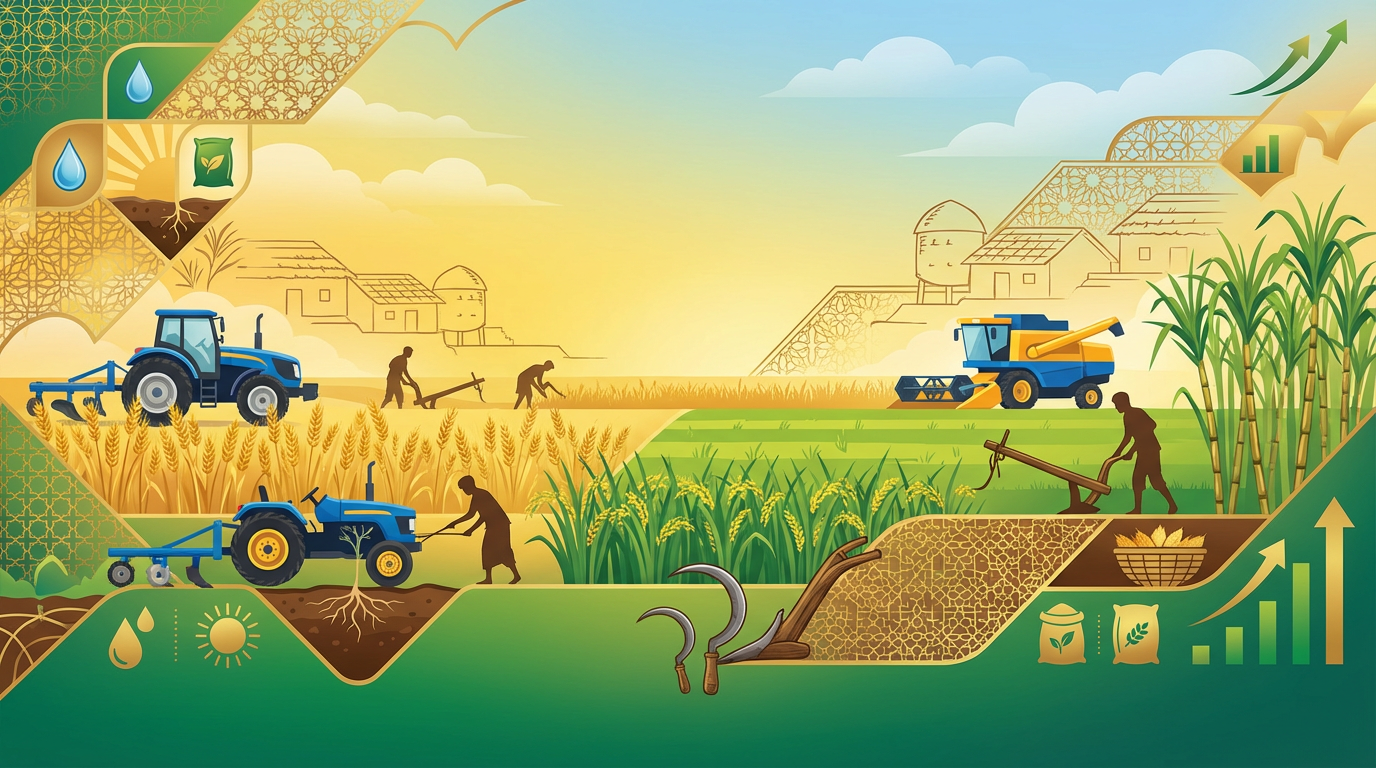
The latest deployment includes 900 four-wheel tractors, 700 combine harvesters, 95 recirculating dryers and 36 precision seeders, equipment designed to mechanize critical farming operations, improve planting and harvesting efficiency, reduce labour requirements and minimise postharvest losses. The investment reflects the government's broader strategy of modernising rice production through technology adoption and improved postharvest infrastructure.
The continued expansion of mechanization is already translating into measurable improvements in farm productivity. By the end of 2025, the Philippines' rice farm mechanization level had increased to 2.81 horsepower per hectare, compared with 2.68 horsepower per hectare in 2022, driven primarily by wider adoption of four-wheel tractors and combine harvesters. PhilMech expects mechanization intensity to reach 3.40 horsepower per hectare as RCEF implementation progresses, bringing the country closer to the mechanization levels achieved by regional rice-producing economies.
Beyond improving operational efficiency, mechanization is generating tangible economic benefits for farmers. According to a PhilMech impact assessment covering 895 farmers' cooperatives and 5,428 farmers across 57 provinces, mechanized farming has reduced labour costs by approximately P2 per kilogram of palay, increasing farm income by around P9,000 per hectare. Across farms supported under the RCEF programme, these productivity gains translate into an estimated P2.66 billion in additional annual farmer income.
Mechanization has also delivered significant improvements in postharvest management. The study estimates that the programme prevents approximately 31,841 metric tonnes of postharvest losses annually—equivalent to nearly P541.3 million worth of rice—through the wider deployment of combine harvesters, mechanical dryers and integrated rice processing systems that improve grain quality while reducing waste throughout the value chain.
The latest rollout builds on the progress achieved since the launch of the RCEF mechanization component in 2019. During the programme's first phase, PhilMech distributed 32,990 production and postharvest machines to 7,588 farmers' cooperatives, associations and local government units, exceeding original deployment targets through procurement savings generated from competitive bidding. Including this year's deliveries, total nationwide deployments have reached 34,721 agricultural machines, making it one of the country's largest farm mechanization initiatives.
PhilMech said every additional machine contributes to higher productivity by lowering labour costs, accelerating time-sensitive field operations and reducing production losses from planting through postharvest handling. The agency noted that investments in postharvest technologies—including combine harvesters, mechanical dryers and integrated rice processing systems—are equally critical in preserving grain quality, improving market value and strengthening national rice supply.
The Department of Agriculture also reaffirmed mechanization as a cornerstone of the country's long-term food security strategy. Agriculture Secretary Francisco P. Tiu Laurel Jr. said expanding mechanization and rice processing infrastructure will enable farmers to harvest, dry and process rice more efficiently while addressing labour shortages associated with an ageing farming population. According to the department, continued investment in modern agricultural equipment will play a critical role in improving farmer incomes, enhancing the global competitiveness of Philippine rice and supporting more resilient rural economies.