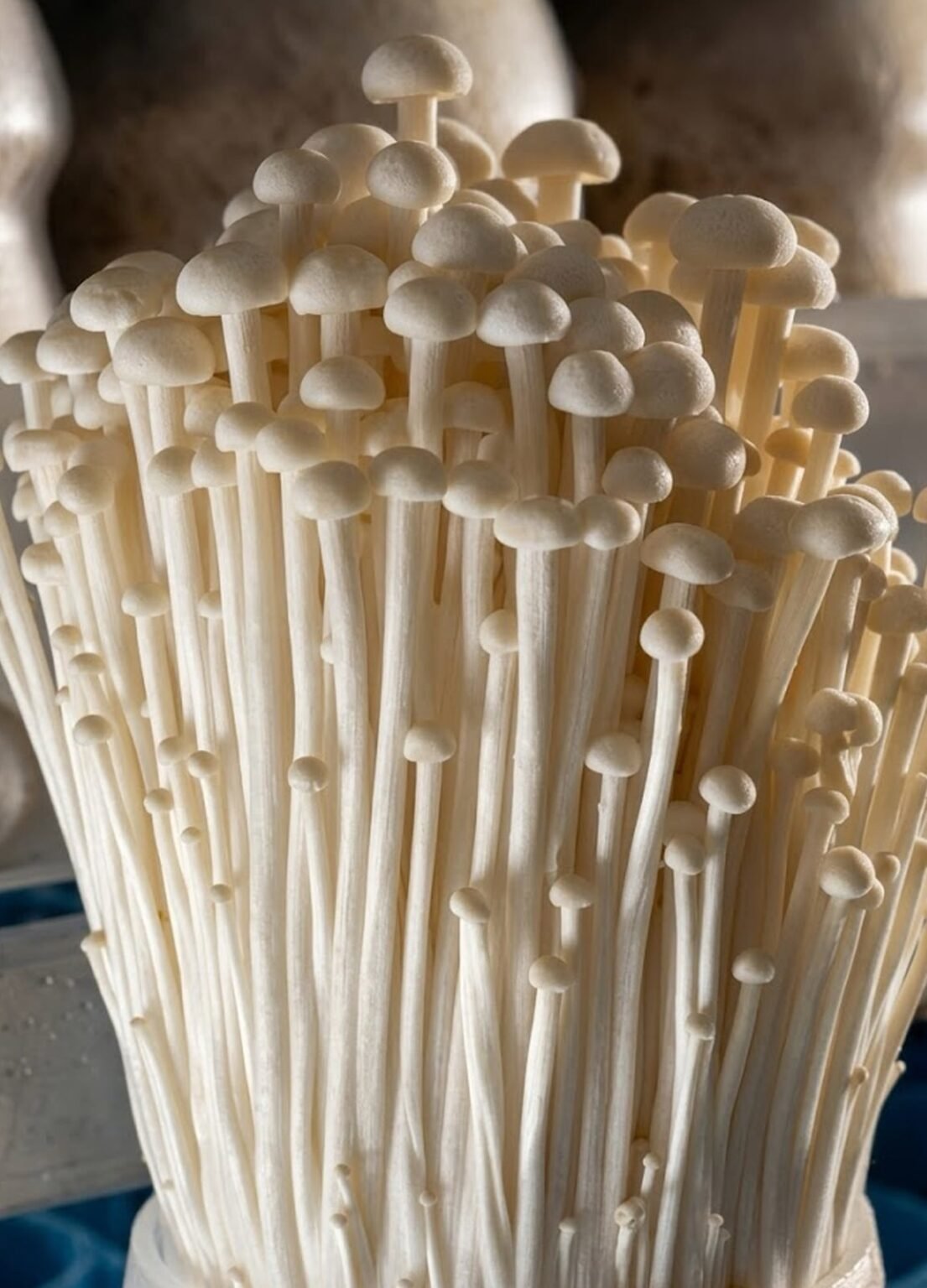
The Philippines is betting that one of its smallest mushrooms could help build a much bigger domestic industry. The Department of Agriculture (DA) is supporting investment by Filipino-owned Basic Necessity Inc., which has established a highly automated enoki mushroom production facility in Silang, Cavite. Funded entirely by the private sector, the facility is designed to reduce the country's dependence on imported mushrooms while creating jobs, generating new demand for agricultural biomass, and strengthening the domestic food value chain.
The project aligns with President Ferdinand Marcos Jr.'s broader push to localize strategic industries, accelerate agro-industrialization, and expand domestic production of high-value crops. The opportunity is significant. The Philippines imported 6,536 metric tons of fresh mushrooms last year, with imports accounting for nearly 95 per cent of the formal commercial mushroom market. Demand is also rising as Korean, Japanese, Chinese, and hotpot cuisines become increasingly popular among Filipino consumers.
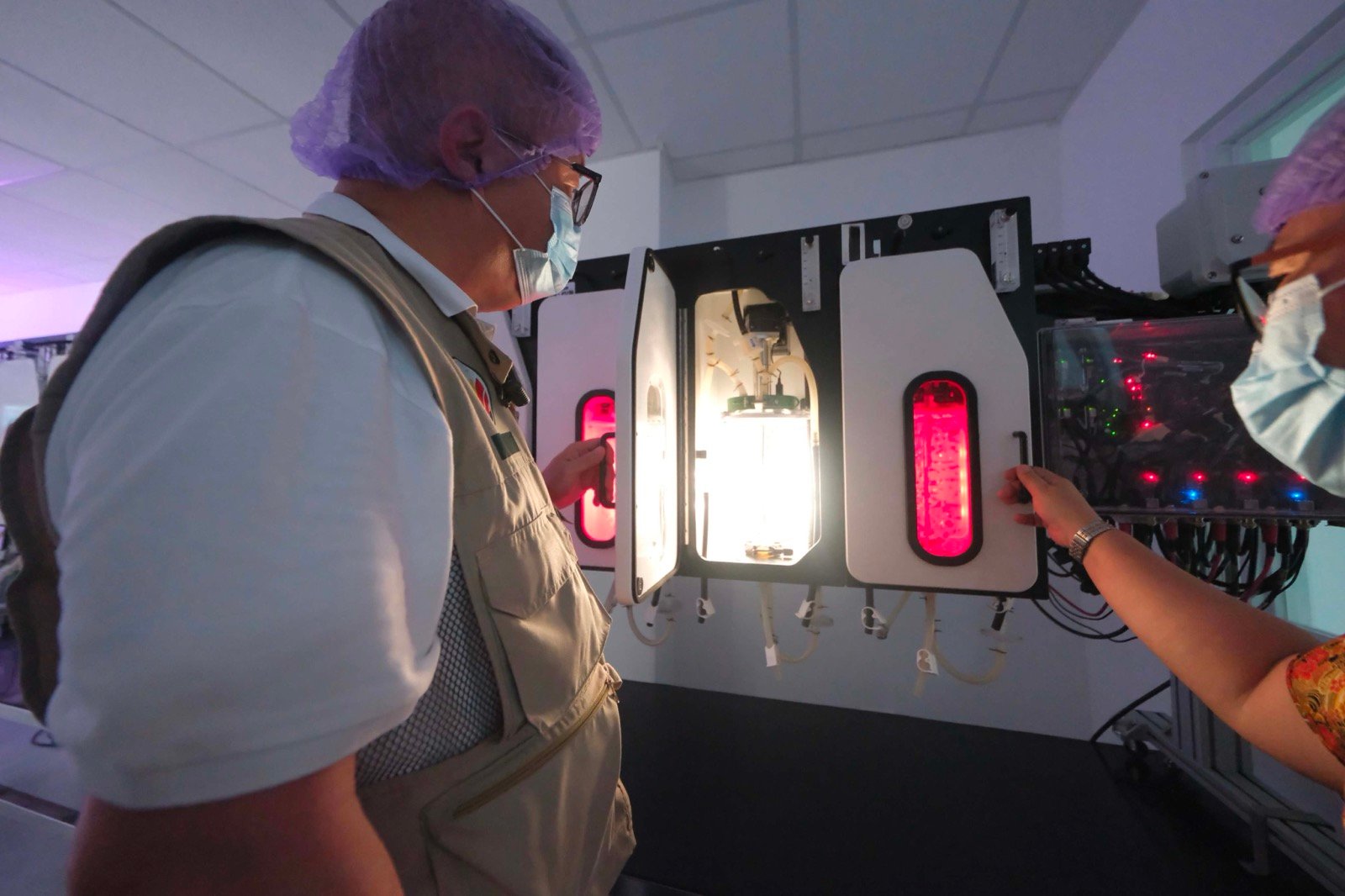
Agriculture Secretary Francisco P. Tiu Laurel Jr. said the size of the domestic market provides a strong foundation for local production—and potentially exports. “We have a large domestic market that is still supplied by imports. Once local demand is met, we see opportunities to export to markets such as Singapore and the Middle East.” The Silang facility brings cultivation, processing, packing, cold storage, and refrigerated distribution under one integrated operation. Its automated production system supplies supermarkets, restaurants, hotels, institutional buyers, and online grocery platforms.
From agricultural waste to mushroom feedstock
One of the project's more significant features is its use of agricultural by-products as mushroom-growing substrates. The facility uses materials including corn cobs, rice hulls, sawdust, rice bran, and sugarcane bagasse. The operation is expected to create demand for around five tons of agricultural biomass every week, giving farmers another potential revenue stream while converting low-value residues into productive inputs.
“This is not just about producing mushrooms,” said Agriculture Undersecretary for High-Value Crops Cheryl Marie Caballero. “It is about building a local industry that creates jobs, supports farmers supplying agricultural biomass, and transforms materials that previously had little economic value into productive inputs.” That model reflects a broader shift in Philippine agriculture: moving beyond farm production toward integrated value chains that connect agriculture with manufacturing, logistics, retail, and food processing.
Lower prices, fresher supply
For consumers, the impact is already apparent. Locally produced enoki mushrooms that previously retailed for around P80 per 200-gram pack are now being sold for P29.75 in approximately 1,700 DALI stores nationwide, according to Caballero. Domestic production could also shorten supply chains, potentially improving freshness, food safety, and traceability while retaining a larger share of economic value within the Philippines.
The facility is expected to directly employ about 50 workers, with additional livelihood opportunities emerging for farmers and suppliers involved in biomass and raw-material production.
A blueprint for agro-industrialization
The government sees the project as more than a mushroom venture. Agriculture Secretary Tiu Laurel has called for stronger private-sector participation in agro-industrialization, arguing that closer integration between agriculture, manufacturing, and logistics can create new engines of local economic growth.
The enoki facility offers a practical example of that approach. Instead of simply replacing an imported product with a locally made equivalent, it creates a domestic ecosystem linking agricultural residues to industrial production, workers to jobs, retailers to local suppliers, and consumers to a more affordable food product.
The next opportunity could be export markets.
With domestic demand still largely supplied by imports, the Philippines has room to scale production before looking outward. Tiu Laurel has identified markets including Singapore and the Middle East as potential destinations once local supply is sufficiently established. The country's enoki experiment therefore points to a broader proposition: import substitution can become a platform for industrial development when it combines private investment, agricultural resources, technology, and a large domestic market.
For now, the enoki mushroom may be a modest addition to supermarket shelves. But the business model behind it could offer a much larger lesson for Philippine agriculture—turning imported food into locally produced value, and agricultural waste into an industrial resource.