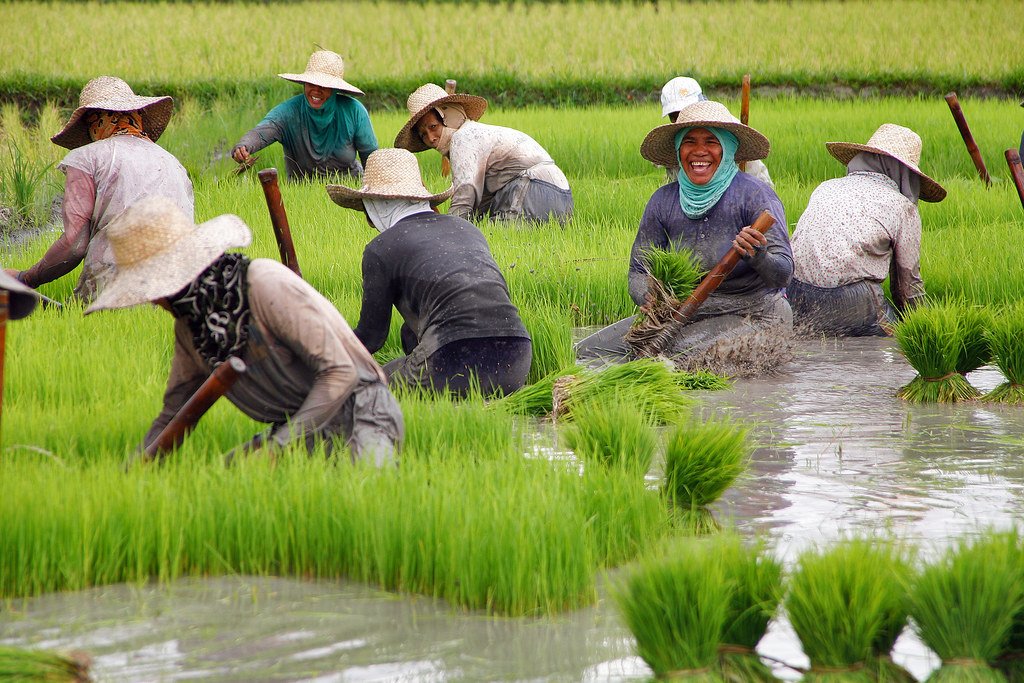
The Philippines and the Republic of Korea are reinforcing their long-standing agricultural partnership through continued Official Development Assistance (ODA) initiatives aimed at modernizing the country's rice supply chain, improving seed quality and strengthening national food security.
The renewed commitment was highlighted during the Workshop on Project Achievements and Future Directions for Enhancing the Rice Supply Chain in the Philippines, where government agencies and development partners reviewed the progress of a Korea-supported rice modernization project and explored future areas of collaboration.
The workshop was jointly hosted by the Global Agriculture Policy Institute (GAPI), the Philippine Rice Research Institute (PhilRice) and the National Food Authority (NFA), with organization support from Orient Integrated Development Consultants, Inc. (OIDCI) and backing from the Philippine Department of Agriculture (DA) and the Korea Rural Community Corporation (KRC).
Central to the discussions was the Korea ODA project, Improving the Rice Supply Chain to Ensure Quality of Seeds and Milled Rice for Distribution and Buffer Stocks in the Philippines, which has introduced modern seed processing and storage infrastructure while strengthening institutional capacity across the country's rice sector.
Among the project's key achievements is the establishment of advanced rice seed processing facilities and cold-storage seed warehouses at PhilRice research stations in Muñoz, Nueva Ecija; San Mateo, Isabela; and Batac, Ilocos Norte. The initiative has also improved seed quality management, buffer stock systems and information management through technical training and digital tools.
Delivering the keynote address, Christopher V. Morales, Undersecretary for Rice Industry Development at the Department of Agriculture, described the Korea-supported initiative as a model of bilateral cooperation built on shared expertise and a common commitment to strengthening food security.
He said the project has contributed beyond infrastructure development by enhancing seed systems, post-harvest facilities, information management and institutional capabilities, complementing the Philippine government's Masagana Rice Industry Development Program, the National Rice Program and the Rice Competitiveness Enhancement Fund (RCEF).
Morales also emphasized that the partnership's long-term value extends to continued knowledge exchange and future collaboration, including the proposed Digital Agriculture Transformation through Enhanced Technology (DA-TECH) initiative, which aims to accelerate digital innovation across Philippine agriculture.
Highlighting the broader significance of the partnership, Dr. Byung Ki Lee, President of GAPI and Project Manager, said the collaboration demonstrates the enduring commitment of South Korea and the Philippines to advancing agricultural innovation, strengthening institutional capacity and improving food security through technology-driven development.
Technical sessions during the workshop featured presentations on implementation lessons, project outcomes and future digital agriculture strategies. Speakers included Jiwan Yoon of GAPI, Herman Ongkiko, President and Chief Executive Officer of OIDCI, and Eduardo Jimmy Quilang, Deputy Executive Director of PhilRice, who presented the proposed DA-TECH follow-up initiative.
The event concluded with a panel discussion involving representatives from the Department of Agriculture, PhilRice, the Korea Program on International Agriculture (KOPIA) Philippines Center, and OIDCI, reaffirming their commitment to sustaining the gains achieved through Korea-Philippines cooperation in agricultural development.
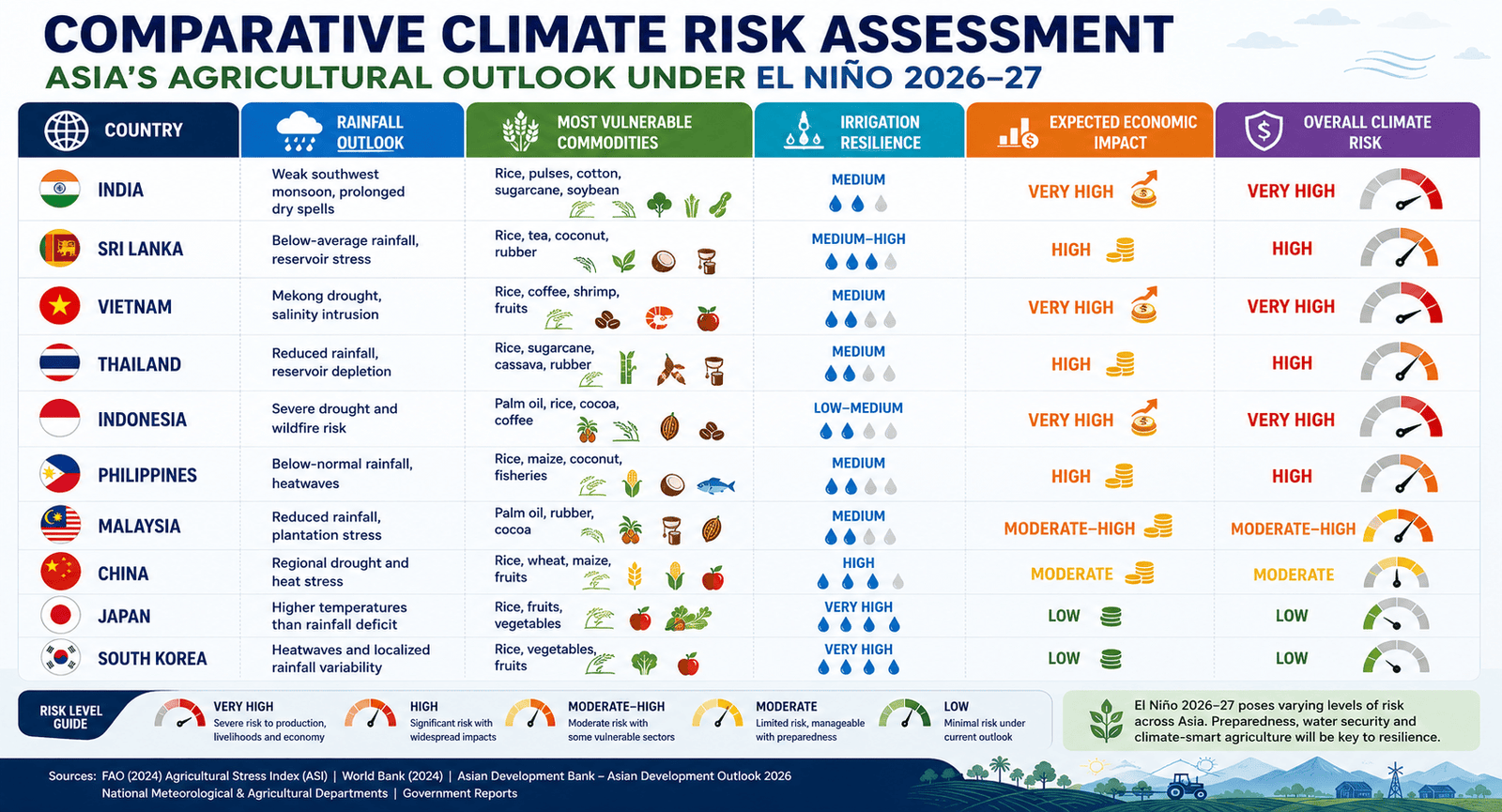
The workshop underscores the growing role of international partnerships in strengthening agricultural infrastructure, digital transformation and resilient food systems across Southeast Asia as governments seek to modernize staple crop production in response to climate and food security challenges.