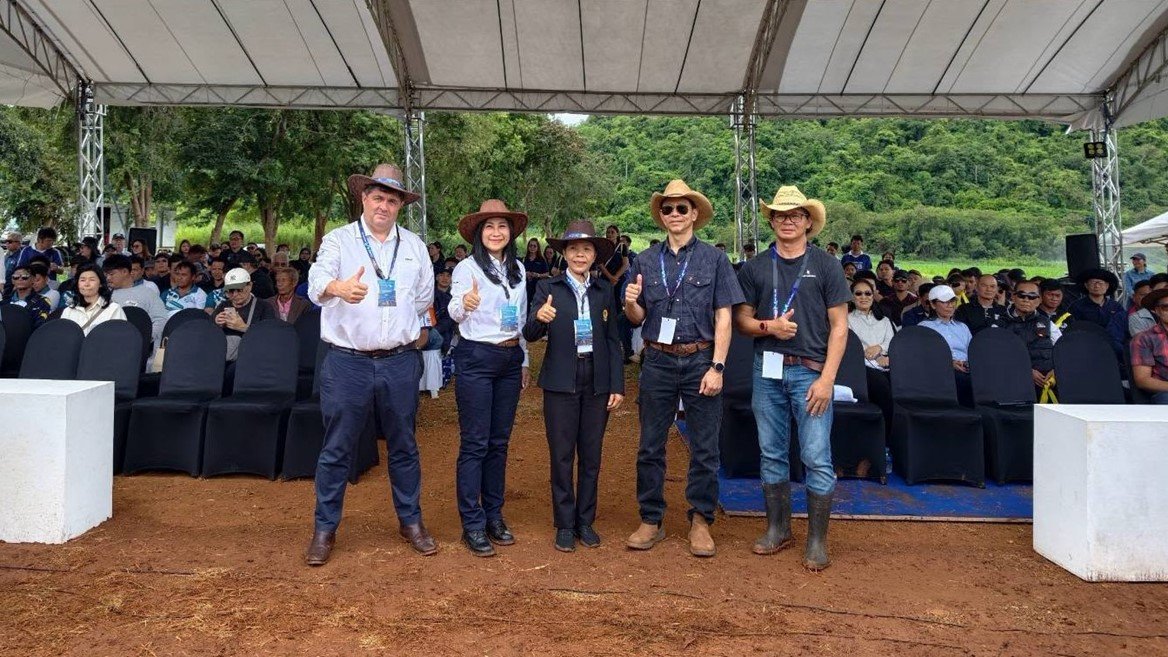
South Korean cellular-agriculture startup TissenBioFarm is taking its technology beyond cultivated meat and into one of the world’s most climate-vulnerable commodities: coffee. The company has showcased its cell-based coffee at a tasting event in South Korea, marking what it describes as the country’s first tasting of coffee produced through plant cell culture. The milestone moves TissenBioFarm’s technology from laboratory development toward a potential commercial product in a coffee industry facing mounting pressure from climate change, extreme weather and rising production costs.
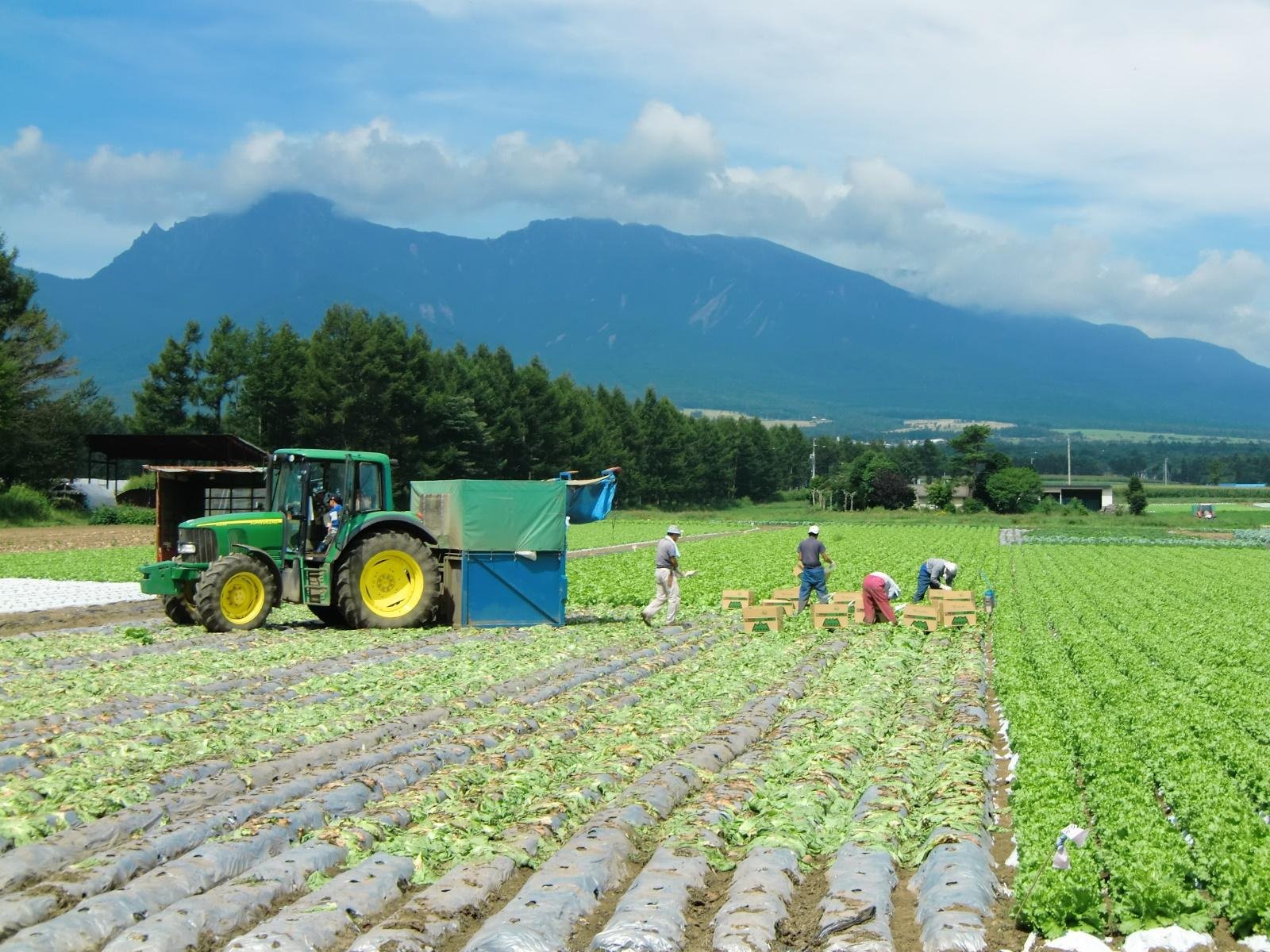
Unlike conventional coffee, which depends on growing and harvesting coffee cherries across large agricultural areas, TissenBioFarm’s approach uses plant cells as the production platform. The company says it has developed the process internally, covering the chain from coffee callus induction through cultivation, roasting and extraction. That end-to-end capability is central to the company’s proposition. Rather than simply developing an ingredient that can be incorporated into a coffee product, TissenBioFarm is attempting to reproduce coffee itself through cellular agriculture.
The company’s latest tasting was enabled by its partnership with Café Nogales, a Colombian specialty coffee farm. The two companies signed a memorandum of understanding in February for joint research and development and the commercialisation of cell-based coffee. The partnership combines Café Nogales’ coffee expertise and origin knowledge with TissenBioFarm’s capabilities in cell cultivation and biofabrication. Together, the companies are targeting a problem that is becoming increasingly difficult for traditional coffee producers to ignore: the climate is changing faster than coffee-growing systems can adapt.
Climate change is rewriting the coffee equation
Coffee’s vulnerability to climate change is becoming a major concern for producers, traders and consumers. Research cited by the industry indicates that around 60 per cent of coffee species are endangered, while the area suitable for coffee cultivation could decline by as much as 50 per cent by 2050. The threat is not limited to long-term projections. More frequent extreme weather events are already affecting yields and costs in major coffee-producing countries, including Brazil and Vietnam.
Rising temperatures and more harmful heat days are putting additional pressure on coffee plants, while droughts, excessive rainfall and other weather disruptions can damage crops and destabilise supply. The consequences eventually reach consumers.
Coffee prices in the United States have increased by 47% over the past five years, according to the figures cited by TissenBioFarm. At the same time, conventional coffee production carries a significant environmental footprint, including substantial water consumption. Producing a single cup of traditional coffee can require an average of around 140 litres of water, according to the company’s cited figures.
That combination—shrinking suitable growing regions, volatile weather, higher prices and resource intensity—is creating an opening for technologies that can produce coffee outside traditional agricultural systems. TissenBioFarm is betting that cellular agriculture can become one of them.
From cultivated meat to cultivated coffee
The move into coffee represents a significant expansion of TissenBioFarm’s technology platform. The South Korean startup has built its reputation around cellular agriculture and cultivated meat. Its move into coffee demonstrates how the underlying technologies of cell cultivation and biofabrication can potentially be transferred across food categories.
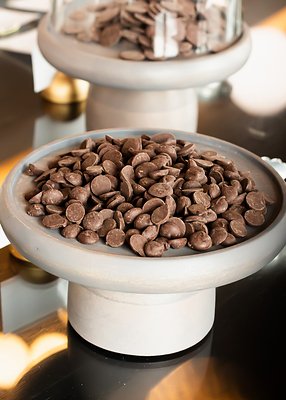
Coffee presents a different technical challenge from cultivated meat. The goal is not to reproduce animal tissue but to cultivate plant cells capable of generating the compounds and characteristics associated with coffee. TissenBioFarm’s process begins with coffee callus induction, followed by cell cultivation and downstream processing. The company has then taken the material through roasting and extraction—the stages that ultimately determine whether the resulting beverage can deliver an experience recognisable as coffee.
Initial testing has provided an encouraging signal. The company said its first roasting trials intermittently generated aromatic scents, suggesting that plant cell culture can produce compounds associated with authentic coffee characteristics. But intermittent aroma generation is also a reminder of the challenge ahead. Coffee’s value is not determined simply by whether a cell culture can generate biomass. Its commercial appeal depends on aroma, flavour, body and the complex sensory profile created during processing and roasting.
TissenBioFarm is therefore now working to optimise its cultivation conditions and refine its roasting process in an effort to capture the distinctive flavours associated with traditionally produced coffee.
The race is shifting from proof of concept to scale
The company’s immediate ambition is to accelerate the launch of its cell-based coffee line. That will require solving two problems simultaneously: biological consistency and manufacturing economics. Producing a promising sample in a laboratory is fundamentally different from creating a repeatable commercial process. Cultivation conditions must be stable, cell growth must be predictable, and the resulting material must maintain consistent characteristics from batch to batch.
Roasting adds another layer of complexity. Even if cells can generate coffee-related compounds, processing conditions will determine which aromas and flavours ultimately emerge. TissenBioFarm’s ongoing work on roasting therefore represents a critical step between technological demonstration and consumer-ready coffee. The company is also preparing for large-scale production, signalling that it sees the technology as more than a research exercise.
For the coffee industry, that scale-up question could determine whether cell-based production remains a niche novelty or becomes a meaningful alternative supply channel.
TissenBioFarm is not alone
The company is entering an emerging field that already includes other efforts to rethink how coffee is produced. Companies such as Pluri and California Cultured are exploring technologies aimed at developing alternatives or more climate-resilient approaches to coffee production. Some efforts combine cellular technologies with fermentation, plant-based production or other advanced biological platforms, while AI is also being applied to accelerate the development of climate-resilient coffee varieties.
The approaches differ, but the underlying commercial problem is similar. Traditional coffee production is tied to geography, climate and long agricultural cycles. Cellular and fermentation-based approaches attempt to separate at least part of coffee production from those constraints. That could eventually allow companies to produce coffee-related ingredients closer to consumers, reduce dependence on vulnerable growing regions or create new supply channels that are less exposed to weather shocks.
It could also change the economics of coffee production—but only if the technology can achieve the sensory quality and production costs required by the market.
Coffee’s next disruption may happen outside the farm
For decades, innovation in coffee has largely focused on farming practices, breeding, processing and supply-chain efficiency. Climate change is forcing the industry to consider a more radical question: what happens if the farm itself is no longer the only place where coffee can be produced? TissenBioFarm’s latest tasting suggests that question is moving from theory toward commercial experimentation.
The company has demonstrated a complete production pathway from coffee cell cultivation to roasting and extraction and is now working to improve aroma, flavour and cultivation performance while preparing for scale. Its partnership with Café Nogales adds another dimension, linking cellular-agriculture technology with the expertise of a Colombian specialty coffee producer.
The commercial road remains long. Cell-based coffee must prove that it can reproduce the sensory qualities consumers expect, achieve consistent production, scale economically and navigate regulatory requirements before it can seriously challenge conventional coffee. But the pressure creating the opportunity is not disappearing.
With coffee species under threat, suitable growing regions projected to shrink, extreme weather disrupting major producing countries and consumers facing higher prices, the industry has growing incentives to find alternatives. TissenBioFarm’s move into cell-based coffee signals that cellular agriculture is no longer being confined to the cultivated-meat conversation. The technology is beginning to target the broader food system—and coffee, one of the world’s most valuable and climate-sensitive agricultural products, could become one of its next proving grounds.