South Korean energy solutions company The Energy Consulting is exploring investment opportunities in Vietnam's Hue City, with a particular focus on turning Chan May Port into a greener and more energy-efficient seaport. The company recently met with the Hue City People's Committee to discuss the investment environment in the Chan May-Lang Co Economic Zone and potential projects covering clean energy, port infrastructure and greenhouse gas emissions reduction.
For Hue, the discussions come as the city seeks to strengthen the role of Chan May Port while aligning future infrastructure development with its broader green-growth strategy. For The Energy Consulting, the proposed projects could provide an entry point into Vietnam's growing market for cleaner port and logistics infrastructure.
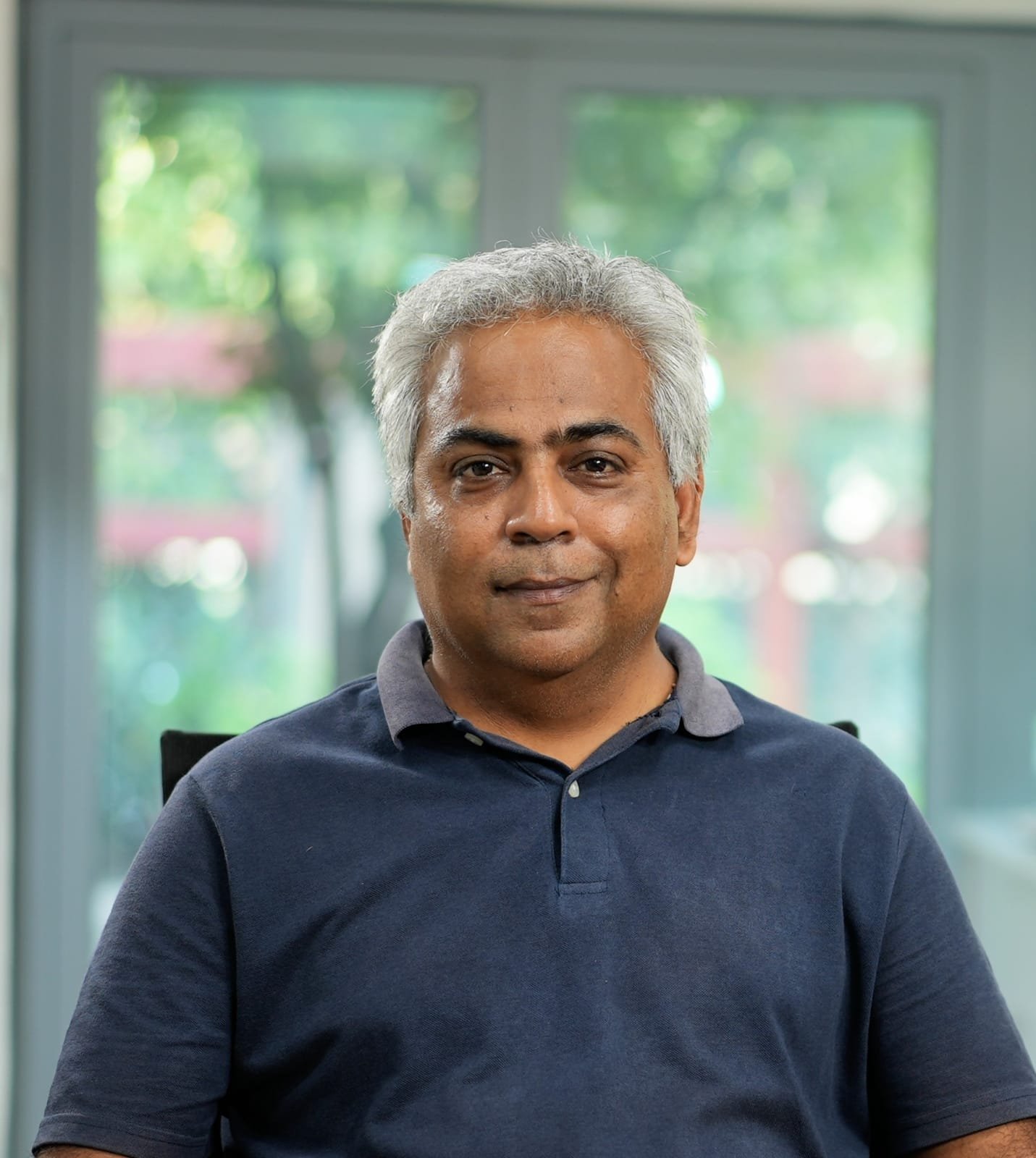
Kim Joon, General Director of The Energy Consulting, said the company is examining the feasibility of deploying several technologies at Chan May Port, including solar power systems, Alternative Maritime Power (AMP), port energy management systems and carbon emissions monitoring. The combination is significant because ports are among the most energy-intensive parts of the logistics chain. Electricity used by port equipment, buildings and cargo-handling operations, together with fuel consumed by vessels and transport vehicles, creates a substantial emissions footprint.
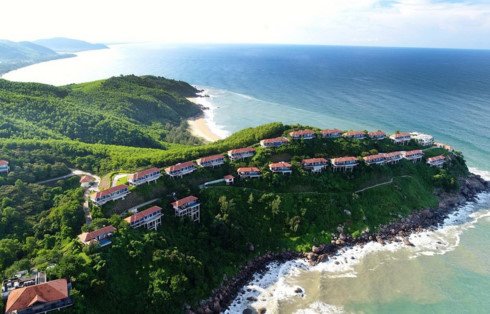
The Energy Consulting's proposal is therefore not limited to installing renewable power. It points towards a broader effort to change how energy is produced, supplied, monitored and consumed within the port. The company is particularly interested in the Chan May-Lang Co Economic Zone, where Chan May Port provides a deep-water maritime gateway. The investment discussions are centred on understanding the area's development plans, investment policies and infrastructure requirements before moving towards detailed feasibility studies.
Kim Joon said the company wants Hue authorities to provide information on seaport development planning, investment attraction mechanisms and relevant policies. The company also requested support for field surveys and feasibility assessments that could lead to more specific international cooperation programmes. That approach suggests the company is still at the exploration stage rather than announcing a final investment commitment. The immediate task is to assess what technologies are technically and commercially suitable for Chan May and how potential projects could fit into the port's development plans.
For Hue, attracting this type of investment could help bring international expertise into a part of the logistics sector that is under growing pressure to reduce energy use and emissions. Among the technologies being considered is Alternative Maritime Power, commonly known as shore-side electricity. The system allows ships to connect to electricity supplied from the port while berthed instead of running onboard engines to meet certain power requirements. Where the electricity comes from lower-emission sources, this can reduce local air pollution and emissions associated with ships at berth.
Solar power could provide another source of electricity for port operations, while an energy management system could help operators monitor consumption and improve the way power is distributed across different activities. Carbon emissions monitoring would add another layer by providing data on the port's emissions performance. Together, these systems could give Chan May a clearer picture of where energy is being consumed and where reductions can be achieved.
The business case for such investments is also becoming stronger as global shipping and logistics companies face increasing pressure to measure and reduce the emissions associated with their supply chains. Ports that can offer cleaner electricity and better emissions data could become more attractive to shipping lines, cargo owners and logistics companies looking to reduce the carbon intensity of their operations.
Hoang Hai Minh, Standing Vice Chairman of the Hue City People's Committee, welcomed The Energy Consulting's interest in green-port development, energy efficiency and emissions reduction. He said the proposed direction is consistent with Hue's strategy for sustainable development and green growth. The city has indicated that it is prepared to support the company's initial assessment by coordinating with relevant departments and agencies, providing information on planning and investment procedures, and connecting The Energy Consulting with relevant organisations. The objective is to help the company conduct its field survey and develop suitable cooperation proposals.
Minh said Hue welcomes investors with the capability to bring advanced and environmentally friendly technologies and expressed support for efforts to develop Chan May into a modern, green seaport. For the city, the potential partnership has significance beyond emissions reduction. A more energy-efficient port could strengthen Chan May's competitiveness as Hue develops the Chan May-Lang Co Economic Zone and seeks to expand its role in maritime trade, logistics and related industries. The Chan May discussions reflect a broader change taking place across the global shipping industry.
Ports are no longer being viewed simply as places where ships load and unload cargo. They are increasingly becoming energy hubs, with infrastructure for renewable electricity, shore power, energy management and emissions measurement becoming part of long-term development plans. This shift is creating opportunities for companies that can combine renewable energy systems with port-specific energy management and emissions technologies.
For Vietnam, the issue is particularly relevant as its maritime infrastructure expands and the country works to improve the environmental performance of its transport and logistics networks. Chan May's location and deep-water port infrastructure give it a natural foundation for further development. Adding cleaner energy systems could help position the port for customers that place greater importance on the environmental performance of their logistics routes. The Energy Consulting will need to complete technical and commercial assessments before determining which technologies can be deployed, how much investment would be required and what kind of operating model would make sense.
Solar installations, shore-side electricity, energy management and emissions monitoring each have different infrastructure and investment requirements. Their effectiveness will also depend on the port's electricity network, vessel traffic, berth utilisation and future expansion plans. The discussions with Hue therefore represent an early step rather than a completed investment deal. But they establish a clear area of common interest.
The Energy Consulting is looking for opportunities to apply its energy and emissions expertise in Vietnam, while Hue is seeking investment and technology that can help modernise Chan May Port without locking future growth into higher energy consumption and emissions. If the feasibility work leads to concrete projects, Chan May could become a test case for combining port expansion with cleaner energy infrastructure in central Vietnam.
For Hue, the prize is larger than a reduction in emissions. A greener and more efficient Chan May Port could strengthen the city's position in the regional logistics network while supporting the development of the Chan May-Lang Co Economic Zone. For The Energy Consulting, it offers an opportunity to turn its interest in Vietnam's maritime sector into a portfolio of projects spanning renewable power, port electrification, energy management and emissions monitoring. The two sides are now at the stage of studying what is possible. The next question is whether that cooperation can move from feasibility studies to investment—and ultimately make green infrastructure a working part of Chan May's commercial future.