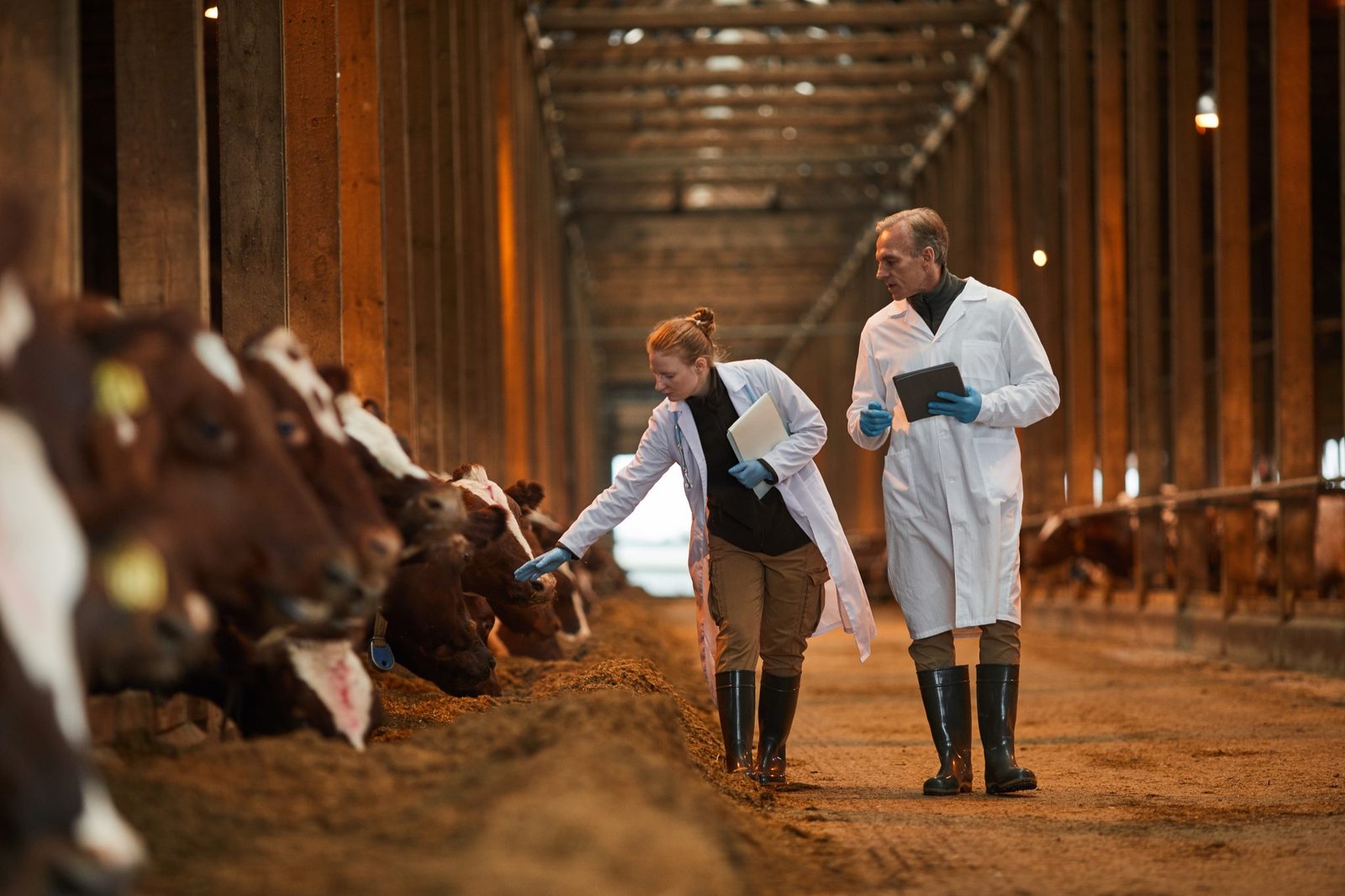
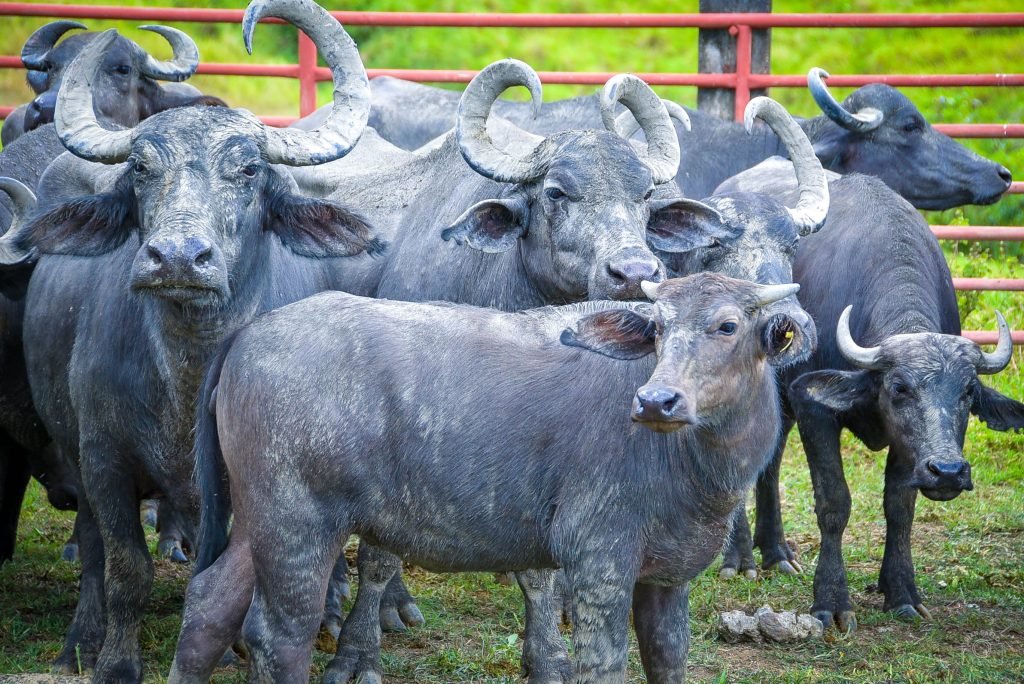
The Philippines has temporarily suspended imports of live animals and selected animal products from seven economies across the Middle East and Europe after confirmed outbreaks of foot-and-mouth disease (FMD), tightening biosecurity measures as the government moves to shield the country’s livestock industry from a potentially costly animal-health threat.
The Department of Agriculture (DA) said the import suspension covers Azerbaijan, Bahrain, Cyprus, Iraq, Israel, Kuwait and Palestine, following an official report from the Food and Agriculture Organization of the United Nations confirming outbreaks of FMD virus serotype SAT1 in the affected economies. The cases were validated through laboratory testing in coordination with the reference laboratory network of the World Organisation for Animal Health (WOAH).
The move underscores the growing economic importance of livestock biosecurity in protecting domestic production, food supplies and farmer incomes. FMD is among the world’s most contagious livestock diseases and, although it does not pose a public health risk to humans, outbreaks can result in animal movement restrictions, trade disruptions, production losses and higher costs across meat and dairy supply chains.
Under Department Circular No. 39, signed by Agriculture Secretary Francisco P. Tiu Laurel Jr., the Philippines will prohibit the entry of live swine, cattle, water buffaloes and other animals susceptible to FMD from the affected areas. The suspension also covers fresh skeletal muscle meat, casings, tallow, hooves, horns and animal semen originating from the listed economies.
“The Philippines has worked hard to protect its livestock sector from devastating animal diseases. Acting swiftly against emerging risks is essential to safeguarding food security, protecting farmers’ livelihoods and preserving public confidence in our food supply,” Tiu Laurel said. “We are taking a science-based and precautionary approach. While we remain committed to facilitating safe trade, protecting the health of our livestock industry must always come first.”
The Philippines is not imposing a blanket restriction on all animal-derived imports. Products classified by WOAH as “safe commodities” will continue to be permitted, provided they comply with prescribed veterinary certification and processing requirements. These include ultra-high-temperature milk and dairy products, heat-treated canned meat, protein meal, gelatin, and certain processed hides and leather products. The distinction allows the government to maintain lower-risk trade flows while tightening controls on commodities that could potentially transmit the virus.
For the livestock sector, the stakes extend beyond animal health. FMD outbreaks can rapidly affect production economics by forcing movement controls, disrupting breeding and slaughter operations, increasing disease-management costs and constraining the movement of animals and animal products. Such disruptions can ultimately feed into domestic meat and dairy markets, particularly when supply chains are already operating under pressure.
FMD affects cloven-hoofed animals including cattle, pigs, goats, sheep and buffaloes. While the disease is not considered a food-safety concern for humans, its ability to spread rapidly among susceptible livestock makes early containment critical for countries seeking to protect domestic herds and maintain stable agricultural markets.
The DA said veterinary quarantine officers have been instructed to stop and confiscate prohibited shipments arriving at Philippine ports. The enforcement measure forms part of the government's broader effort to prevent the introduction and spread of FMD within the country. The latest suspension highlights the delicate balance facing agricultural policymakers: keeping international trade channels open while protecting domestic livestock production from disease shocks. For the Philippines, rapid import controls are being used as a first line of defence against an outbreak that could carry consequences far beyond animal health, affecting farmers, processors, traders and food-security conditions across the wider agricultural economy.