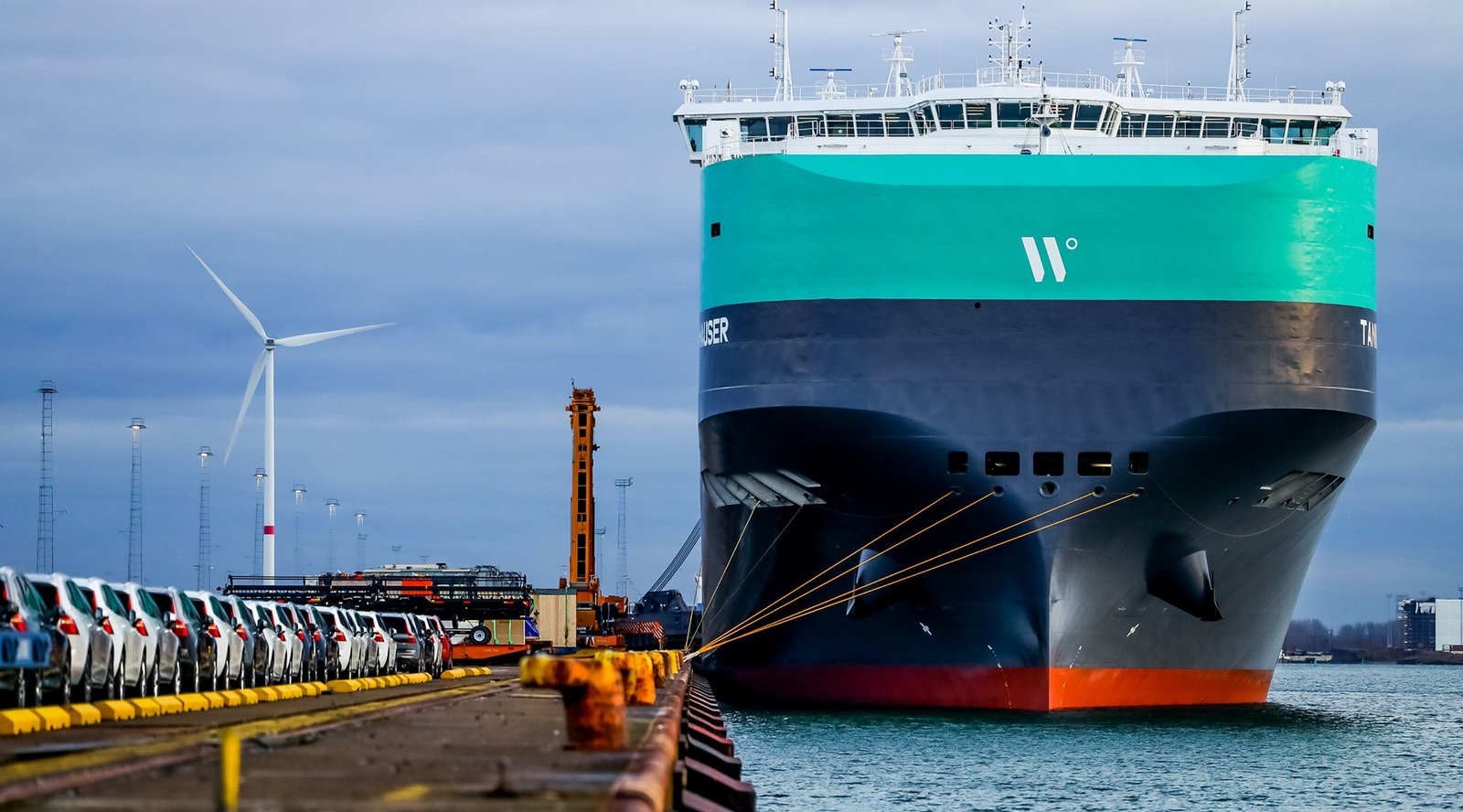
ExxonMobil and global vehicle carrier Wallenius Wilhelmsen have successfully completed a sea trial of a B30 very low sulphur fuel oil (VLSFO) blended with fatty acid methyl ester (FAME) distillation residue, marking a step forward in the adoption of lower greenhouse gas (GHG) marine fuels. The fuel was supplied to the Titus, a vehicle carrier operated by Wallenius Wilhelmsen, during bunkering operations at Port of Zeebrugge before the vessel embarked on the demonstration voyage.
According to ExxonMobil, the successful trial validates the operational performance of the biofuel blend while expanding the range of renewable fuel options available to commercial shipping operators seeking to reduce lifecycle emissions.
Alternative Biofuel Feedstock Demonstrates Operational Performance
The trial centred on a B30 0.50 per cent sulphur residual marine fuel, in which 30 per cent of the blend was derived from FAME distillation residue—a by-product generated during biodiesel production. Unlike conventional biofuel blends produced using used cooking oil methyl ester (UCOME), the new formulation utilises a residual feedstock that can contribute to greater resource efficiency while maintaining comparable fuel characteristics. ExxonMobil said the fuel meets the RMG380 residual fuel oil classification and complies with the ISO 8217:2017 marine fuel specification, with the exception of provisions related to the biofuel component.
The company considers the blend a "drop-in" fuel, allowing ship operators to use it within existing fuel systems without requiring modifications to onboard infrastructure.
Sea Trial Reports Stable Engine Performance
During the demonstration voyage, engineers monitored fuel handling, storage and engine performance to evaluate the blend under commercial operating conditions. According to the companies, the vessel experienced no operational issues during bunkering, onboard storage or fuel treatment. Fuel filtration and purification systems functioned normally throughout the voyage, while engine performance remained consistent when compared with operational data collected before, during and after the trial.
The successful outcome suggests that FAME distillation residue can serve as a practical renewable blending component for residual marine fuels without compromising vessel reliability.
Supporting Shipping's Decarbonisation Strategy
The trial forms part of ExxonMobil's broader effort to expand the availability of lower-emission marine fuels as international shipping faces increasingly stringent climate regulations. By incorporating renewable feedstocks into conventional marine fuel, the company aims to help shipowners reduce lifecycle greenhouse gas emissions while maintaining compatibility with existing vessel engines and fuel infrastructure.
The approach also supports compliance with evolving environmental regulations, particularly in markets implementing tighter carbon-intensity requirements for maritime transport. Wallenius Wilhelmsen said evaluating alternative marine fuels remains an important component of its long-term decarbonisation strategy, with the company continuing to assess commercially viable solutions capable of reducing emissions across its global fleet.
Expanding Practical Low-Carbon Fuel Options
As the shipping industry explores multiple decarbonisation pathways—including biofuels, methanol, ammonia and hydrogen—drop-in renewable fuel blends are increasingly viewed as an immediate solution that can be deployed without significant capital investment in new propulsion systems. The successful completion of the B30 VLSFO trial demonstrates the growing potential of advanced biofuel blends to support emissions reduction while preserving operational efficiency, offering ship operators another pathway to accelerate the transition toward lower-carbon maritime transport.