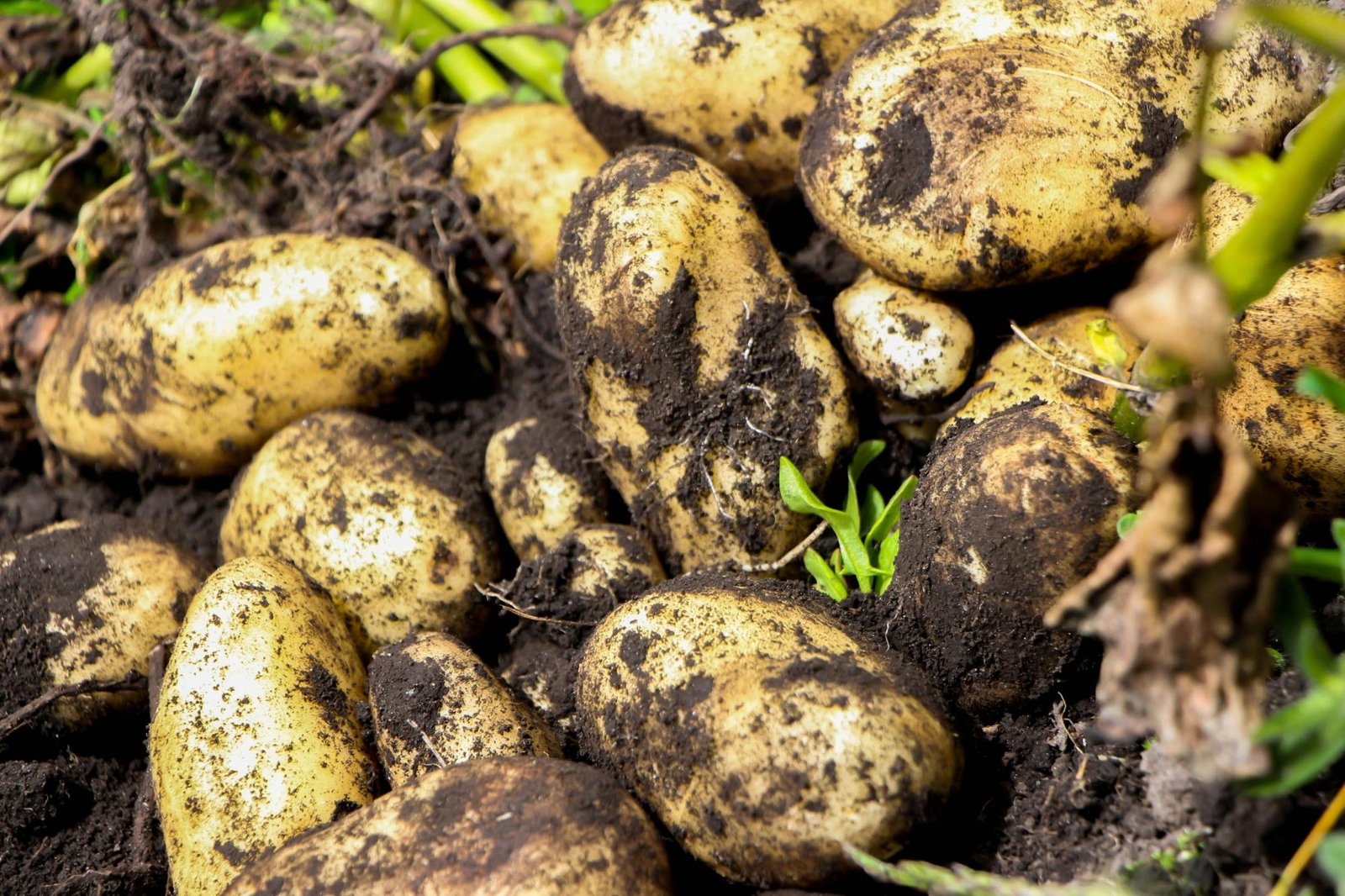
Europe has taken a major step towards advancing circular chemistry and sustainable industrial production with the launch of PACE (Potato Juice to Fatty Acids for New Bio-based Value-Chains in Europe), a flagship biorefinery initiative designed to convert potato processing by-products into valuable bio-based chemical building blocks. The project will demonstrate Europe’s first full-scale retrofitted biorefinery by upgrading part of an existing production facility operated by Royal Avebe, transforming an underutilised potato juice side-stream into sustainable medium-chain fatty acids (MCFAs) through advanced fermentation and microbial chain elongation technologies.
By converting an industrial by-product into high-value materials, PACE aims to demonstrate how circular solutions can be integrated into existing manufacturing systems while reducing dependence on fossil-based and palm oil-derived chemicals. The initiative represents a significant milestone for Europe’s bioeconomy ambitions, showing how locally available agricultural side-streams can support new value chains, improve resource efficiency and create commercially viable alternatives for the chemical industry.
Turning Potato Processing Side-Streams into Industrial Solutions
Potato processing generates significant quantities of side-stream materials that traditionally have limited value. Through PACE, potato juice will be upgraded into bio-based MCFAs — versatile chemical intermediates with applications across multiple industrial sectors. The project combines advanced fermentation processes with microbial chain elongation technology to create sustainable alternatives to conventional chemical feedstocks.
Rather than developing new infrastructure from the ground up, PACE takes a more efficient approach by retrofitting existing industrial facilities. This model demonstrates how established production assets can be adapted to support the transition towards a circular and low-carbon economy.
Strengthening Europe’s Circular Chemical Value Chains
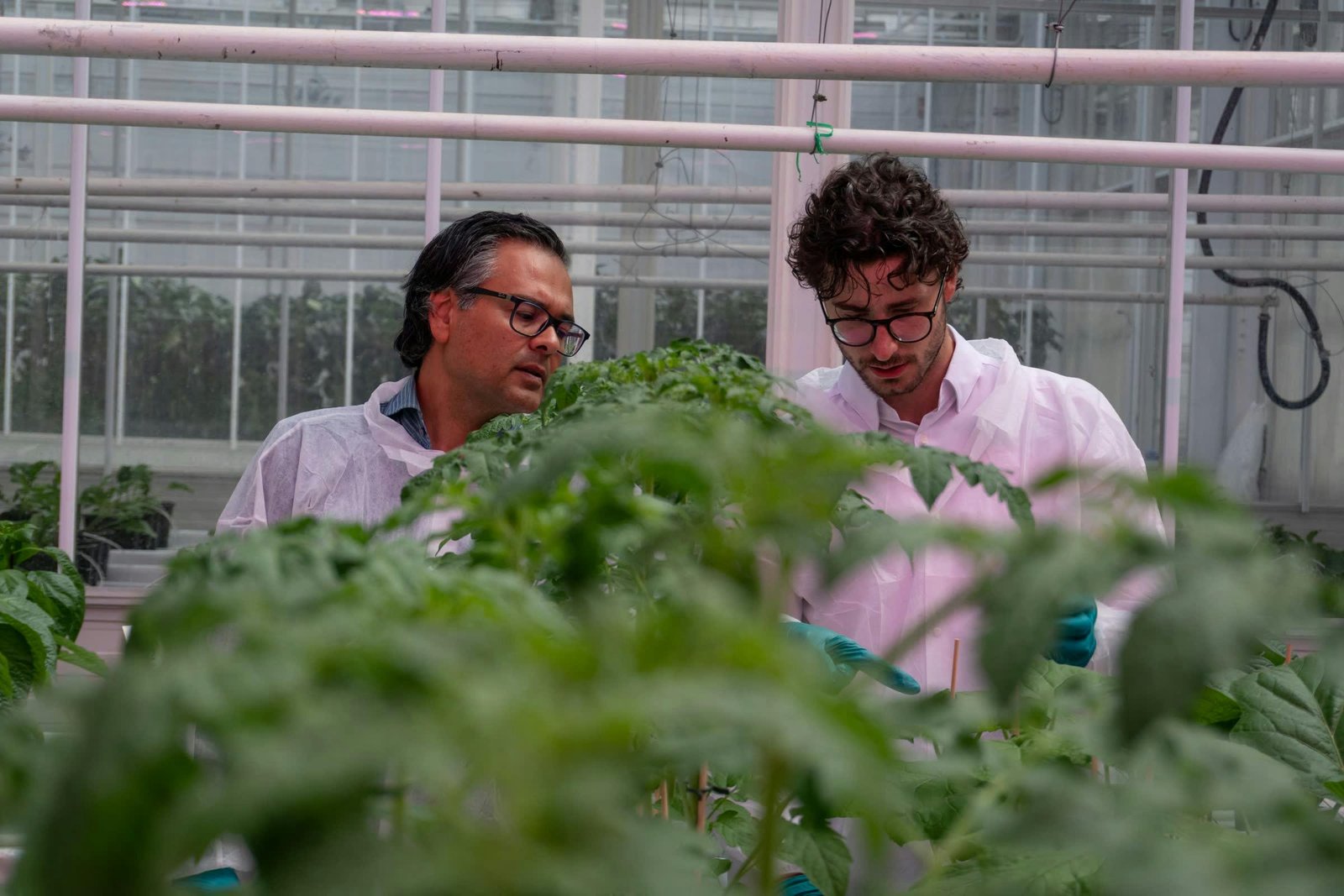
The launch of PACE comes as European industries seek innovative pathways to reduce reliance on fossil resources and develop more resilient supply chains. By using agricultural side-streams generated within Europe, the project supports the creation of regional bio-based value chains while reducing dependence on imported raw materials. Niels van Stralen, PACE project coordinator, said the initiative demonstrates how circular chemistry can be integrated into existing industrial systems at meaningful scale.
According to van Stralen, upgrading existing infrastructure and utilising locally available resources proves that sustainable chemical production can be achieved without completely rebuilding industrial ecosystems. PACE highlights how Europe can strengthen its chemical sector by combining innovation, circular resource management and industrial collaboration.
Industrial Demonstration to Accelerate Commercial Adoption
Following the launch, the PACE consortium will focus on implementing the first stages of the biorefinery development and optimising the medium-chain fatty acid production process. Project partners will also advance testing and validation of bio-based MCFAs for targeted industrial applications, helping identify future commercial opportunities.
Alongside technical development, the consortium will conduct detailed assessments covering sustainability performance, circularity benefits and market potential. These evaluations will support future replication of similar biorefinery models across Europe. The project aims not only to demonstrate technological feasibility but also to establish a pathway for wider industrial adoption of circular bio-based solutions.
Collaboration Drives the Future of Bio-Based Industry
PACE brings together stakeholders from across the value chain, creating a collaborative platform for knowledge exchange, innovation and commercial development. Engagement with industry partners, researchers and other stakeholders will remain a central component throughout the project, helping ensure that the technology aligns with real-world market requirements.
The initiative reflects a broader transformation taking place across Europe’s industrial landscape, where agriculture, biotechnology and chemical manufacturing are increasingly converging to create sustainable alternatives.
A New Model for Europe’s Bioeconomy
The development of the PACE biorefinery demonstrates the growing potential of agricultural side-streams as sources of high-value materials. As industries face increasing pressure to reduce emissions, improve resource efficiency and replace fossil-based inputs, circular biorefineries are emerging as a critical pathway towards sustainable production.
By converting potato juice into valuable bio-based fatty acids, PACE showcases how food industry by-products can become strategic resources for future chemical value chains. The project represents a significant advancement in Europe’s ambition to build a more sustainable, competitive and resilient bioeconomy — one where waste streams are transformed into opportunities for innovation and industrial growth.