
The Philippines is setting its sights on turning ube—the country's iconic purple yam—into its next major agricultural export, as policymakers seek to diversify export revenues beyond traditional commodities and capture rising global demand for premium, plant-based food ingredients.
Rather than pursuing a government-driven programme, the Department of Agriculture (DA) is adopting an industry-first approach, bringing together growers, processors, exporters, researchers and market players to build a coordinated roadmap for expanding production, strengthening supply chains and elevating the global profile of Philippine ube.
The initiative reflects a broader effort to reposition specialty crops as engines of rural economic growth amid increasing international demand for natural colours, functional ingredients and value-added food products.
From Niche Ingredient to Global Brand
Although Philippine ube has earned international recognition for its distinctive flavour and vibrant purple colour, industry leaders believe the sector remains constrained by fragmented production, inconsistent quality standards and limited coordination across the value chain.
These structural challenges have prevented producers from fully capitalising on rapidly expanding export opportunities, particularly in premium bakery, confectionery, dairy and plant-based food markets.
Officials believe that establishing stronger industry coordination could unlock significant commercial potential while improving farmer incomes and attracting greater private investment.
Building an Integrated Industry
Central to the government's strategy is the creation of a national ube federation that would unite producers, processors, exporters and researchers under a common institutional framework.
The proposed body is expected to coordinate industry priorities, facilitate market development and strengthen collaboration across the supply chain, enabling the sector to pursue long-term growth through collective action rather than fragmented initiatives.
Authorities also plan to expand the availability of high-quality planting materials by scaling up tissue culture, community nurseries and mini-set propagation technologies capable of multiplying seed stocks more rapidly than conventional methods.
Production expansion is expected to focus on strategically selected growing regions while additional processing capacity is being planned to support increasing commercial demand.
Science Meets Commercial Agriculture
Research institutions are simultaneously accelerating efforts to develop improved ube varieties capable of delivering higher yields, better quality and stronger commercial performance.
Scientists have already identified promising purple ube lines with significantly enhanced productivity, creating opportunities to increase production without proportionately expanding cultivated area.
The next phase will involve evaluating new varieties in close collaboration with processors and exporters to ensure they satisfy market requirements for colour, texture, flavour and processing characteristics.
This market-oriented approach reflects a growing recognition that successful agricultural innovation must align scientific research with commercial demand.
Branding the Purple Economy
Beyond production, branding has emerged as one of the industry's most pressing priorities.
Stakeholders are advocating for a unified national identity that positions Philippine ube as a premium product in international markets while differentiating it from competing suppliers across Southeast Asia.
The strategy also includes developing standardized colour classification systems using scientific measurement tools, strengthening intellectual property protection and creating consistent quality benchmarks capable of reinforcing buyer confidence.
Industry participants argue that stronger branding will be essential as competition intensifies among regional exporters seeking to capitalise on the expanding global appetite for natural ingredients and premium food products.
A Long-Term Export Strategy
The government has already earmarked funding under its proposed 2027 agricultural budget to support industry development, with additional consultations scheduled to finalise investment priorities, governance structures and implementation plans.
The initiative represents more than an effort to expand exports. It reflects a broader strategy of building high-value agricultural industries that integrate research, production, processing, branding and international market development.
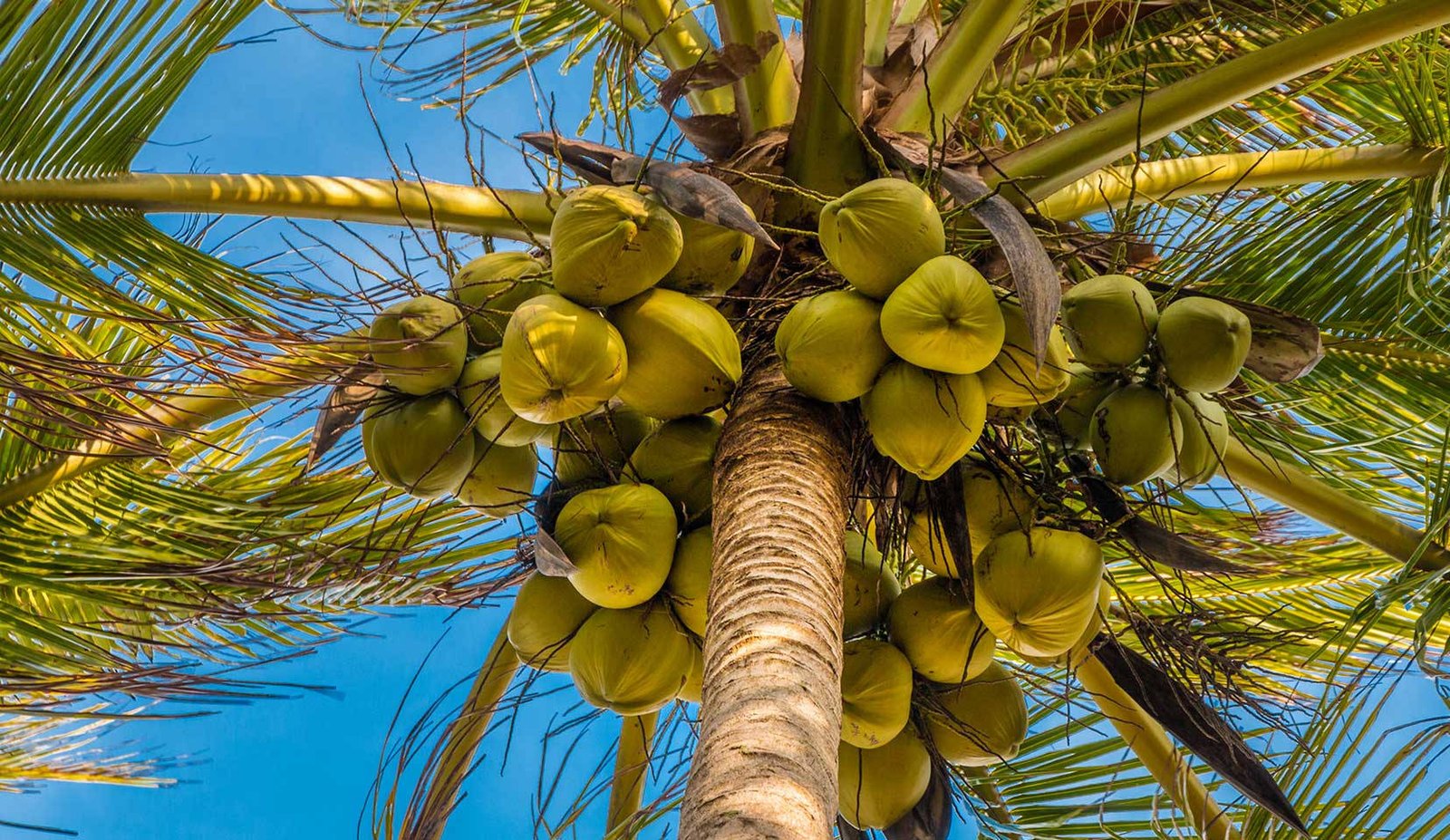
If successful, ube could join coconut, banana, pineapple and mango as one of the Philippines' flagship agricultural exports—demonstrating how coordinated industry development can transform a culturally significant crop into a globally competitive agribusiness.
As consumer demand shifts towards natural, functional and sustainably produced food ingredients, the Philippines is positioning its signature purple yam not simply as a local delicacy, but as a premium agricultural brand capable of competing on the world stage.