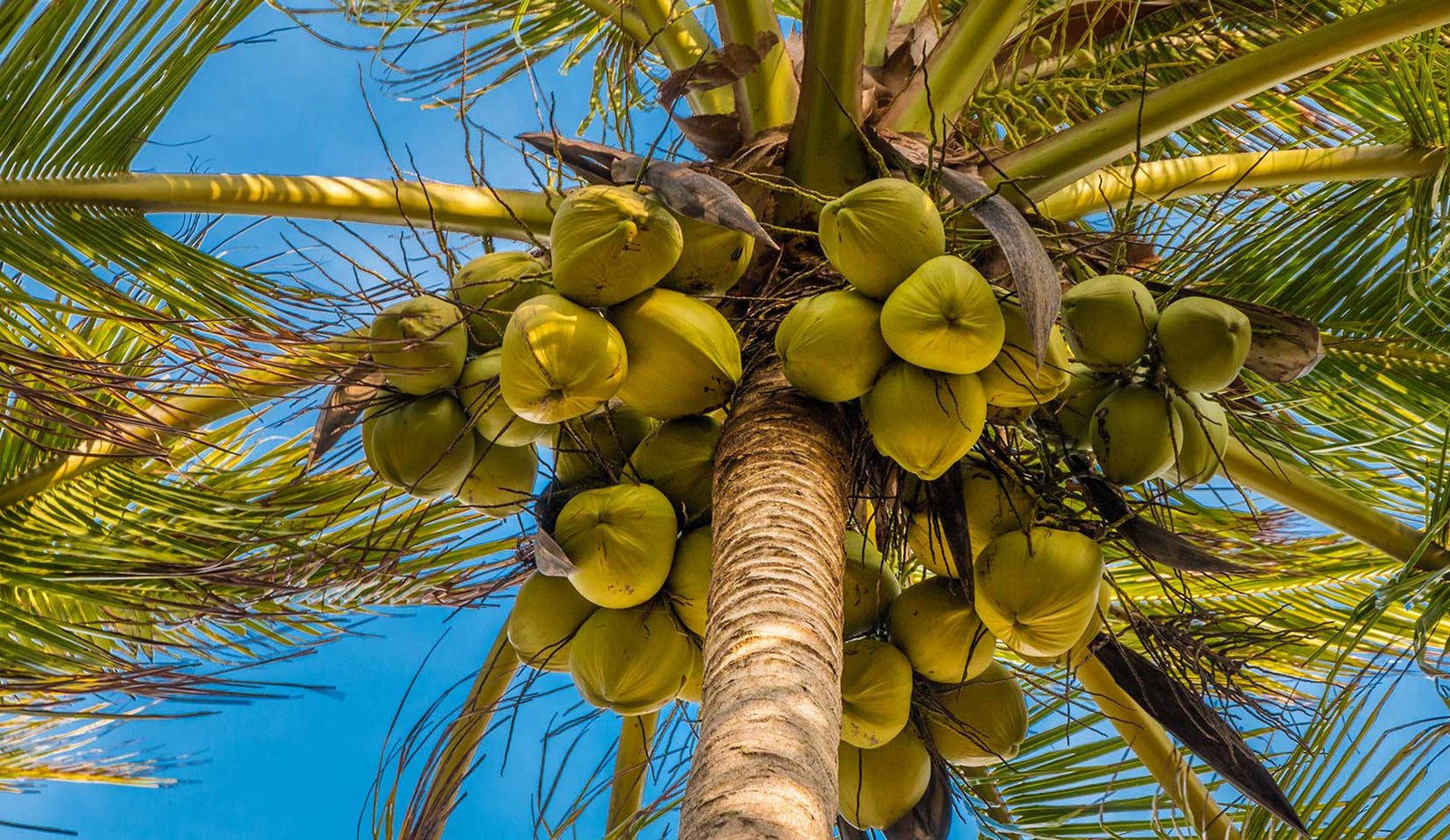
The Philippines has shipped 32,000 fresh young coconuts to Liberia in a government-supported initiative that could help establish new export channels for one of the country's key agricultural commodities.
The Department of Agriculture (DA) partnered with Davao City-based Avante Agri-Products Philippines Inc. to dispatch two 40-foot refrigerated containers of whole green coconuts to Monrovia, Liberia. The consignment weighs an estimated 50 metric tonnes and carries a combined free-on-board (FOB) value of $22,400.
Each container carries 16,000 coconuts packed in 800 sacks, with 20 pieces per sack. Liberia's Ministry of Agriculture is facilitating the shipment, while refrigerated-container technology is being used to help preserve product quality during transit. The coconuts are intended for distribution to rural communities in Liberia, supporting feeding programmes and providing household benefits. The shipment therefore combines humanitarian assistance with a potential commercial opportunity for Philippine agricultural exports.
West Africa Emerges as a Potential Market
For the Philippine coconut industry, the shipment offers an opportunity to test demand in a new destination as the government seeks to diversify agricultural export markets and improve producers' access to international buyers. Agriculture Secretary Francisco P. Tiu Laurel Jr. has underscored the importance of market access and private-sector partnerships in strengthening agricultural competitiveness and improving farmer livelihoods.
“Expanding into new international markets creates opportunities for our coconut farmers and exporters,” said Tiu Laurel. “The challenge is to turn these initial shipments into sustained demand that delivers better returns to our farmers and strengthens the Philippine coconut industry.”
The shipment received support from the DA Regional Field Office XI, led by Regional Executive Director Macario Gonzaga, particularly its Agricultural Marketing Assistance Division, alongside the Philippine Coconut Authority Region XI. The collaboration highlights the role of public agencies in connecting agricultural producers and exporters with prospective overseas markets.
Converting an Initial Shipment Into Lasting Trade
The consignment marks a potential first step towards building commercial relationships in West Africa. However, the longer-term opportunity will depend on whether the initial shipment leads to repeat orders, reliable demand and a commercially viable supply chain. Export growth alone does not guarantee higher farmer incomes. Freight and handling costs, product quality, consistency of supply and the share of export revenues reaching coconut growers will influence the economic benefits.
For exporters, maintaining the freshness of young coconuts over long distances will also be critical to establishing confidence among overseas buyers. Reliable cold-chain logistics and coordination between producers, exporters and government agencies will be essential as the trade develops.
If these conditions are met, the Liberia shipment could provide a foundation for expanding the Philippines' agricultural presence in West Africa while creating additional market opportunities for coconut-producing communities. The immediate achievement is a humanitarian delivery. Its wider significance will depend on whether the initiative can evolve into sustained trade that benefits exporters, strengthens the domestic coconut industry and delivers more competitive returns to farmers.