
Scientists at Washington State University (WSU) have achieved a major breakthrough in the effort to develop biological alternatives to synthetic nitrogen fertilisers by successfully transferring a complete set of nitrogen-fixing genes from rhizobia into bacteria that were previously unable to capture atmospheric nitrogen.
The research, published in May 2026, centres on a large genetic region known as the "symbiosis island," which enables rhizobia to convert atmospheric nitrogen into plant nutrients and establish beneficial relationships with plant roots. The study represents one of the most significant advances in microbial engineering aimed at extending the benefits of biological nitrogen fixation beyond the limited range of crops that naturally host nitrogen-fixing bacteria.
A longstanding challenge in the field has been the difficulty of transferring complex clusters of nitrogen-fixing genes between bacterial species. The WSU team addressed this hurdle by developing a new genetic transfer system that significantly improves the efficiency of moving the entire symbiosis island into other microbes, creating a platform for engineering new nitrogen-fixing partnerships.
Following the genetic transfer, researchers conducted millions of bacterial-plant interactions to evaluate how the engineered microbes behaved in association with host plants. The experiments showed that many of the modified bacterial strains were able to establish successful relationships with plants, with the majority of these interactions proving either beneficial or neutral rather than harmful.
The findings challenge the long-held assumption that newly evolved microbial partnerships generally begin as parasitic relationships before eventually becoming mutually beneficial. Instead, the study suggests that engineered symbioses can emerge without imposing significant costs on host plants, potentially accelerating the development of useful agricultural applications.
The research also revealed that bacterial species more closely related to naturally nitrogen-fixing rhizobia were more likely to acquire functional symbiotic capabilities after receiving the transferred genes. This insight could help guide future efforts to identify suitable microbial candidates for engineering biological nitrogen fixation systems.
Led by Stephanie Porter, Associate Professor of Biological Sciences at Washington State University, the study demonstrates the feasibility of expanding nitrogen-fixing capabilities through engineered microbial communities and represents an important step toward reducing agriculture's reliance on synthetic nitrogen inputs.
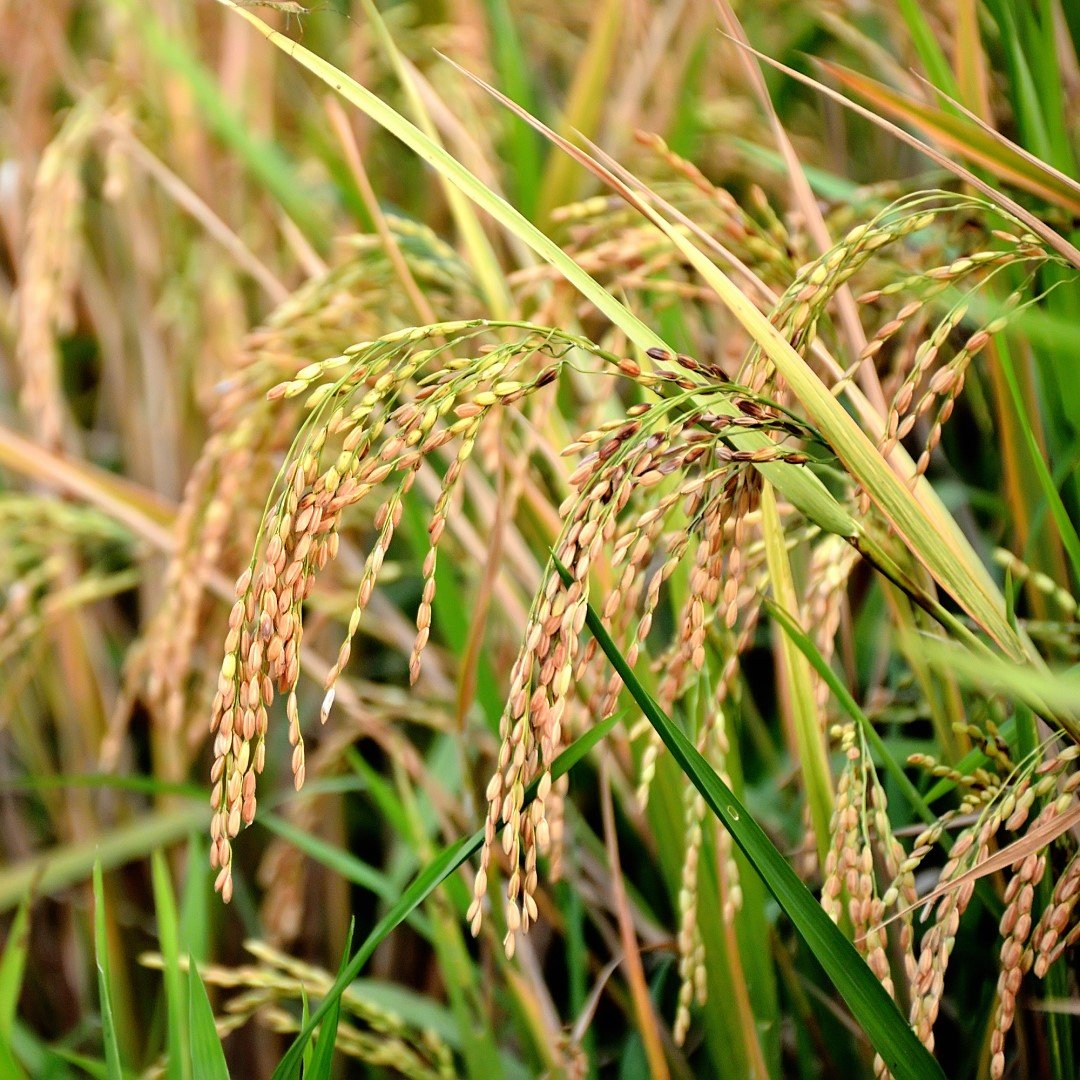
However, researchers caution that commercial applications remain several years away. Extending biological nitrogen fixation to major cereal crops such as wheat, corn and rice will require not only engineered bacteria capable of fixing nitrogen but also crop varieties equipped with the molecular mechanisms necessary to recognise and support these microbial partners.
Despite these challenges, the breakthrough is being viewed as an important milestone in the search for sustainable alternatives to synthetic nitrogen fertilisers, which account for a significant share of agricultural production costs and are also a major contributor to greenhouse gas emissions. If successfully developed, engineered nitrogen-fixing systems could transform nutrient management in agriculture by reducing dependence on energy-intensive fertiliser production and lowering the environmental footprint of crop cultivation.