Biotechnology has become virtually ubiquitous across Brazil’s certified soybean and cotton seed markets, with genetically modified traits present in almost 100 per cent of the area planted with certified seeds during the 2025/26 crop season. The latest figures from CropLife Brasil point to the extent to which insect resistance and herbicide tolerance have become embedded in the country’s commercial farming systems.
Data published through CropLife Brasil’s CropData platform show that biotechnology combinations offering both insect resistance and herbicide tolerance dominate adoption in the two crops. The findings also highlight a parallel challenge: uncertified seeds, including farm-saved and counterfeit varieties, now account for approximately one-fifth of Brazil’s cultivated soybean and cotton area.
The updated CropData platform provides a crop-wise and technology-wise breakdown of seed adoption, alongside historical trends. It tracks three broad categories: insect resistance, herbicide tolerance and technologies combining both traits.
“Biotechnology is relevant because it has allowed Brazil to produce much more without expanding planted areas at the same rate,” said Renato Gomides, executive manager of CropLife Brasil.
He noted that since genetically modified seeds were introduced, soybean and cotton production had grown by an average of 6.8 per cent annually, compared with 5 per cent annual growth in planted area. The difference, he said, reflects productivity gains associated with the technology.
Combined traits dominate soybean cultivation
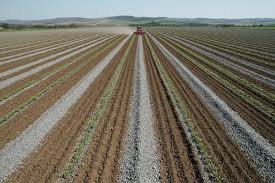
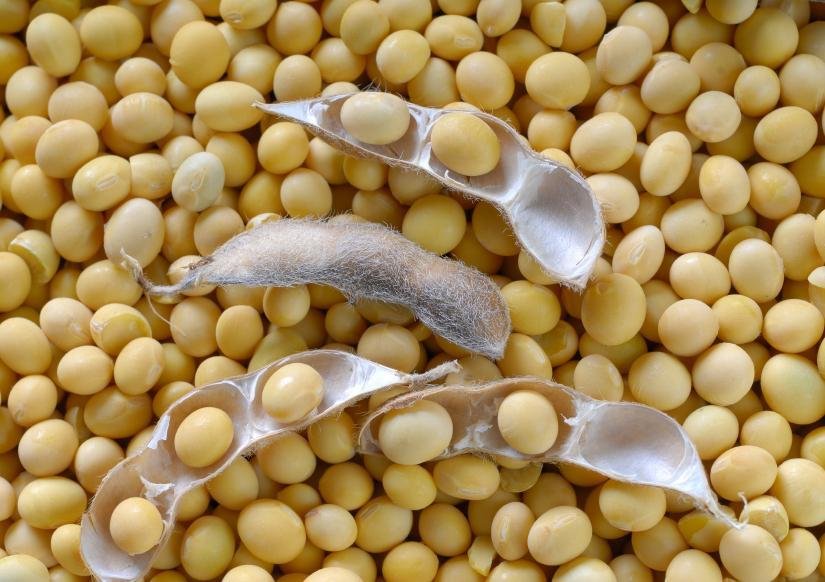
Soybean cultivation demonstrates the scale of biotechnology penetration. In the 2025/26 season, seeds combining insect resistance and herbicide tolerance covered 38 million hectares, accounting for 78 per cent of the total soybean area.
The combination gives farmers tools to manage selected insect pests while simplifying weed control, two critical considerations in large-scale commercial agriculture. Bt technology, based on insecticidal proteins produced by the soil bacterium Bacillus thuringiensis, is among the approaches used to protect crops against caterpillars and other insect pests. Herbicide-tolerant soybean varieties without the additional insect-resistance trait covered another one million hectares, representing 2 per cent of the crop area.
Cotton follows a different adoption pattern
Cotton also recorded substantial biotechnology adoption, although the distribution of traits differed from soybeans. Combined insect-resistance and herbicide-tolerance technologies covered 1.1 million hectares, or 55 per cent of the planted cotton area. Technologies offering insect resistance alone accounted for a further 800,000 hectares, representing 40 per cent.
The figures underline the importance of biotechnology in cotton production, where insect pressure and the costs associated with pest management remain significant considerations for growers.
Uncertified seeds emerge as a growing concern
While certified seed adoption demonstrates the strength of Brazil’s biotechnology market, the expansion of uncertified seeds presents a more complicated picture. CropData estimates that uncertified seeds now account for approximately one in every five hectares cultivated in the country. Between 2021/22 and 2025/26, the area planted with such seeds increased by 210 per cent.
In soybeans, uncertified seeds covered 9.6 million hectares, equivalent to around 20 per cent of cultivated acreage. Cotton recorded a substantially smaller share, with uncertified seeds occupying 47,000 hectares, or approximately 2.4 per cent of the crop area.
The category includes farm-saved seeds as well as counterfeit seeds, although these represent different issues in terms of seed quality, legality and intellectual property protection. Their growing footprint raises questions about the effectiveness of seed certification systems, the protection of technology investments and the ability of farmers to access reliable planting material.
The platform's data also indicate that conventional varieties without genetically modified traits account for virtually none of the area planted with certified seeds in either crop.
Twenty-five years of GM cultivation: The productivity argument
Brazil authorised genetically modified organisms for cultivation in 1998. Since then, biotechnology has evolved from a relatively new agricultural intervention into a central component of the country's crop production strategy.
A 2023 study by CropLife Brasil and consultancy Agroconsult, marking 25 years of genetically modified crops in Brazil, assessed the technology's contribution to productivity, farm profitability and the wider economy. Across the 1998/99 to 2025/26 crop seasons, soybean and cotton production recorded average annual growth of 6.8 per cent, against 5 per cent growth in planted area. The research attributed a substantial part of the productivity improvement to biotechnology.
Extending its assessment across soybeans, maize, cotton, beans and sugarcane, the study estimated that biotechnology helped Brazil avoid the expansion of agricultural land by 21.4 million hectares over 25 years.
The study also estimated that pesticide application rates declined by 35 per cent in soybeans and 27.5 per cent in cotton over the period, preventing the use of approximately 1.6 million tonnes of pesticides. The economic gains were reflected in farm-level profitability. Margins per hectare were estimated to be up to 7 per cent higher in soybean cultivation and 64 per cent higher in cotton when biotechnology seeds were used, compared with conventional varieties.
Savings on chemical crop protection products were estimated at R$262 per hectare for soybeans and R$1,048 per hectare for cotton. The environmental implications were also significant. Reduced pesticide use and avoided agricultural expansion were estimated to have prevented 70.4 million tonnes of carbon dioxide emissions, equivalent to the amount absorbed by approximately 504 million native trees.
The next phase: Innovation, resilience and stewardship
For Brazil, the next challenge is no longer simply expanding biotechnology adoption. With these traits already present across virtually all certified soybean and cotton acreage, the strategic priority is to sustain their effectiveness while developing technologies suited to increasingly complex production conditions. Unstable weather, evolving pest pressures and resistance to existing crop protection solutions are raising the stakes for agricultural research. Gomides emphasised that continued investment in research is essential to strengthen crop resilience and maintain productivity.
At the same time, the sharp increase in uncertified seed acreage signals the need to address weaknesses in the seed ecosystem. Protecting innovation will require more than developing new traits; it will also depend on ensuring that farmers have access to quality-assured seeds and that technology stewardship remains effective.
Brazil's experience offers a significant illustration of how biotechnology can reshape agricultural production at scale. But sustaining those gains will depend on the industry's ability to balance technological advancement, responsible deployment and the integrity of the seed market.