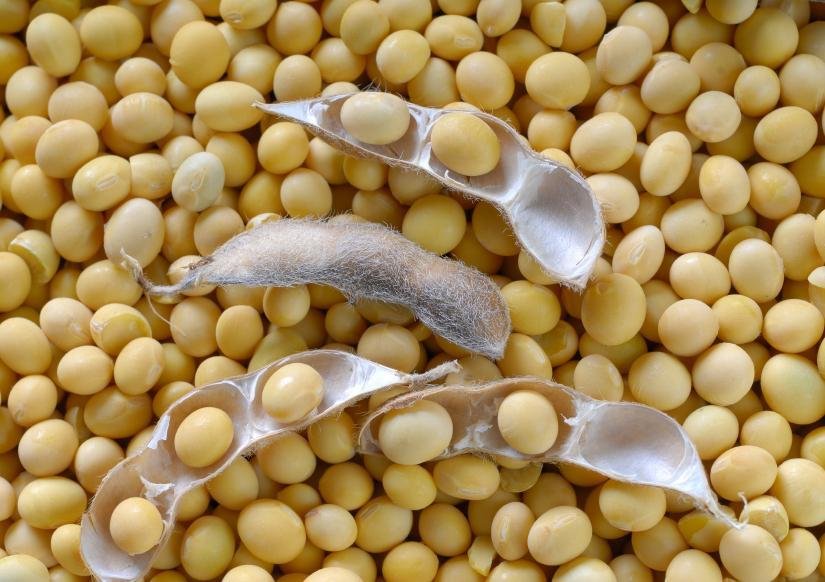
Sinon do Brasil has launched Sinsmart CL3, a microbial biofungicide designed to strengthen disease management in Brazil’s soybean sector, where growers are increasingly looking to diversify crop protection programmes and manage the risk of fungicide resistance.
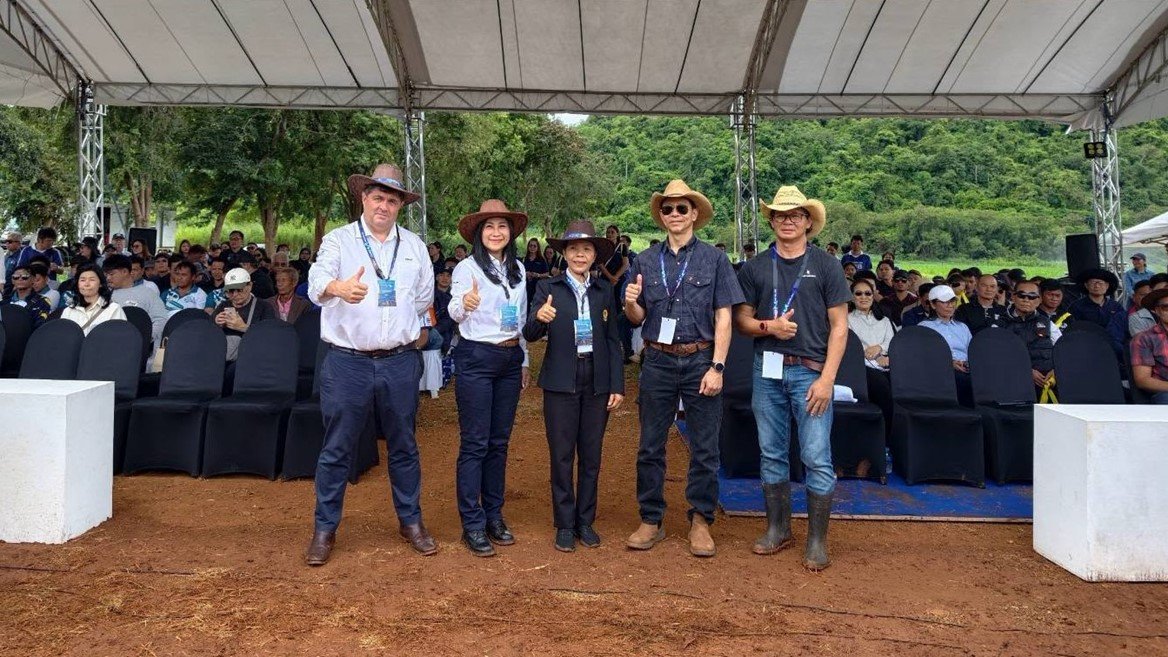
Developed from the Bacillus amyloliquefaciens CL3 strain, the product is intended to complement conventional fungicides by introducing biological modes of action into integrated disease management. Sinon said Sinsmart CL3 is already being used by growers in Thailand, Vietnam and Ukraine, with Brazil becoming its latest market.
The launch comes amid mounting pressure on soybean producers to manage fungal diseases, including Asian soybean rust, while sustaining the effectiveness of existing chemical crop protection tools. Biological fungicides are gaining attention as complementary solutions, although their performance depends on disease pressure, weather conditions, application timing and compatibility with other crop protection products.
Three mechanisms of action
Sinsmart CL3 is designed to act against fungal pathogens through three mechanisms. The CL3 strain competes with disease-causing organisms for space on leaf surfaces, produces antifungal lipopeptides that can damage pathogens, and stimulates induced systemic resistance (ISR), activating the plant's own defence responses.
The combination is intended to support disease suppression while adding complementary modes of action to crop protection programmes. This could be particularly relevant in resistance management strategies, where relying repeatedly on fungicides with similar modes of action can increase selection pressure on pathogen populations.
Sinon said the CL3 strain is commercialised exclusively by the company under a technology-transfer arrangement with a research institution. Its manufacturing process combines proprietary fermentation facilities with industrial-scale production and a 10-stage quality-control system aimed at maintaining product consistency and stability.
The product is registered in Brazil as a microbiological product. According to Sinon, it has undergone efficacy and safety assessments by the relevant regulatory authorities.
Field trials report disease control and yield gains
Results from field trials conducted during the 2025–26 soybean season indicate the product's potential as an addition to conventional crop protection programmes.
When introduced early in the crop cycle, between the V3 and V8 vegetative stages, Sinsmart CL3 achieved 82.8 per cent control of Asian soybean rust caused by Phakopsora pachyrhizi, according to the company. The trials also recorded 77.4 per cent control of powdery mildew and more than 76 per cent control of leaf spot diseases.
Sinon further reported that early application helped reduce phytotoxic stress associated with crop protection programmes, supporting greener and more vigorous plants. Treated plots recorded yield gains of more than 21 per cent compared with untreated controls at harvest.
These findings are company-reported trial results and should be assessed in the context of trial design, locations, disease pressure and the crop protection programmes used. They do not, by themselves, establish that similar results will be replicated across Brazil's diverse soybean-growing regions.
Expanding beyond soybeans
Sinsmart CL3 is formulated as a suspension concentrate (SC), which Sinon says allows convenient measuring, handling and dispersion in spray tanks. The formulation has a stated shelf life of at least three years under ambient storage conditions.
While soybean is the immediate focus of the Brazilian launch, the company sees opportunities to extend the product's use to other agricultural segments. Potential target crops include coffee, citrus, strawberries, grapes and avocados, as well as solanaceous crops, cucurbits, asteraceous crops and brassicas.
The launch broadens Sinon's biological crop protection offering in Brazil, a major global soybean-producing market. For the company, the commercial opportunity will depend not only on the product's efficacy but also on its ability to fit into existing spray programmes, deliver consistent field performance and demonstrate economic value to growers.
As biological crop protection gains a larger role in integrated pest and disease management, products such as Sinsmart CL3 will need to compete on more than sustainability positioning. Reliable performance, application flexibility, compatibility with conventional products and measurable returns will determine their adoption at scale.